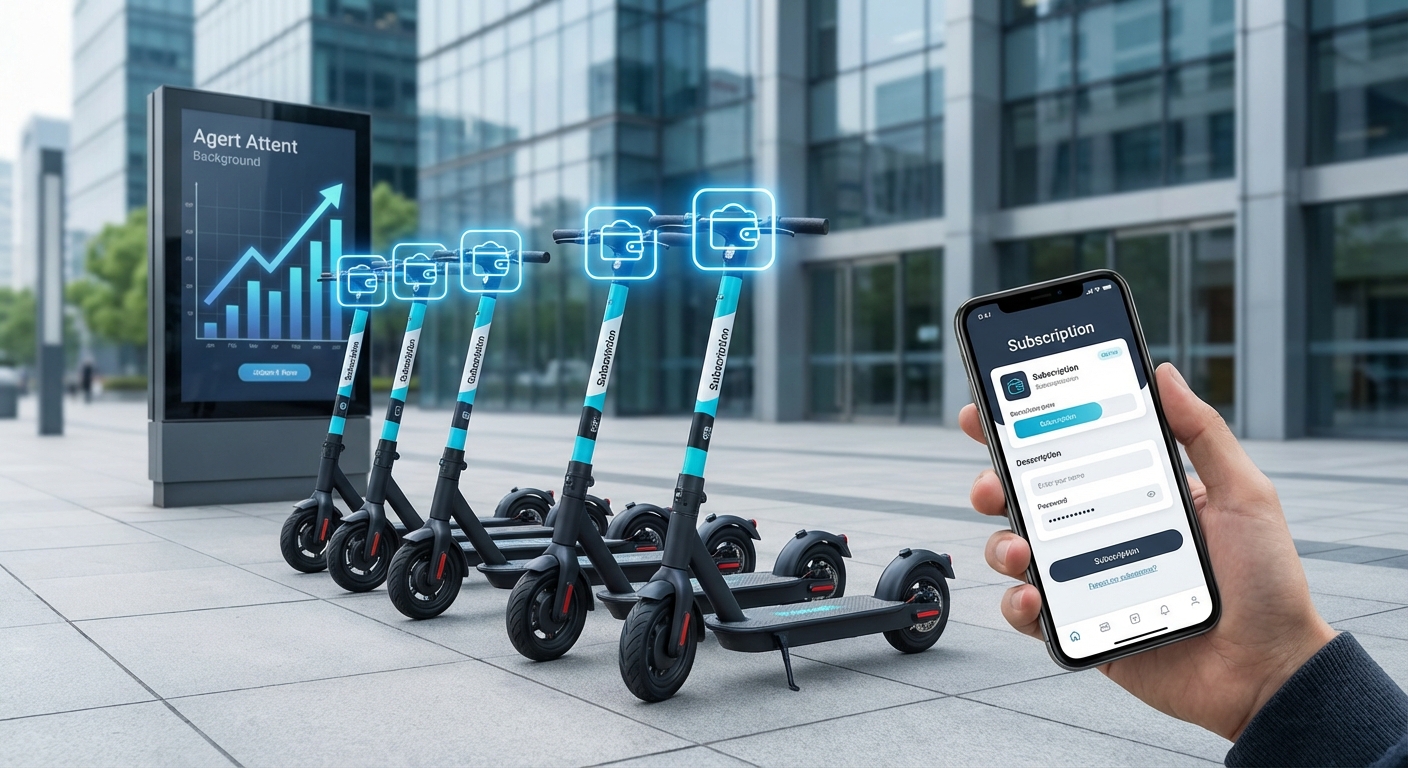
How Subscription-Based E-Scooter Ownership Is Disrupting the Market
The traditional path to e-scooter ownership has always been straightforward. You pick a model, pay upfront, and handle all the maintenance yourself. But a new approach is gaining traction across urban centers, and it’s reshaping how riders think about getting on two wheels. Instead of buying, riders are subscribing to electric scooters the same way they subscribe to streaming services or software.
This shift isn’t just about payment plans. It’s a fundamental change in how people access personal transportation.
The e-scooter subscription model offers riders monthly access to electric scooters without large upfront costs, bundling maintenance, insurance, and upgrades into one predictable payment. This approach appeals to urban professionals who value flexibility over ownership, though it typically costs more over time than purchasing outright. The model is disrupting traditional sales channels and creating new opportunities for manufacturers and fleet operators.
What Makes Subscription-Based E-Scooter Ownership Different
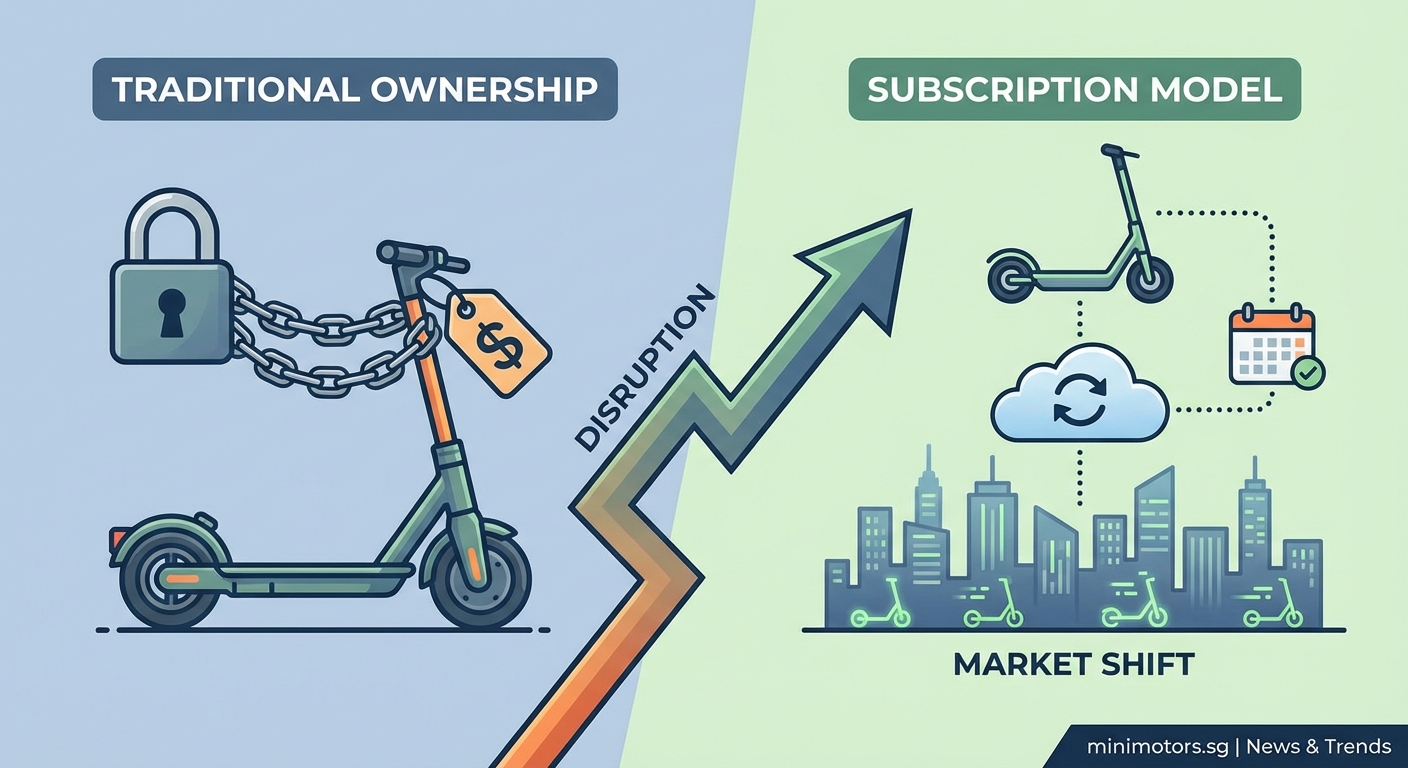
Traditional ownership means you pay once and the scooter is yours. You handle repairs, store it, and eventually deal with resale or disposal.
Subscriptions flip that model. You pay monthly for access to a scooter. The provider handles maintenance, repairs, and often insurance. If something breaks, they fix it or swap it out. When you’re done, you return it.
The difference matters more than it sounds. With ownership, you’re locked into one model until you sell it. With subscriptions, many providers let you upgrade or downgrade based on your needs. Commuting less during winter? Switch to a cheaper plan. Need more range for a new job? Upgrade without selling your old scooter.
This flexibility resonates with urban professionals who’ve grown comfortable with subscription models in other parts of their lives. The same mindset that embraces streaming over cable or car sharing over ownership extends naturally to micromobility.
How the E-Scooter Subscription Model Actually Works
The mechanics are simpler than most people expect. Here’s the typical process:
- Browse available models on a provider’s platform or app
- Select your subscription tier based on scooter specs and included services
- Complete a credit check and identity verification
- Choose delivery or pickup for your scooter
- Start riding with monthly billing automatically processed
- Request maintenance or repairs through the app when needed
- Return, upgrade, or continue your subscription at the end of each term
Most providers require a security deposit, usually equivalent to one or two months of subscription fees. This deposit is refundable when you return the scooter in good condition.
Payment structures vary. Some companies offer month-to-month flexibility. Others provide discounts for committing to longer terms like six or twelve months. The monthly fee typically includes:
- The scooter itself
- Routine maintenance and repairs
- Theft protection or insurance
- Customer support
- Swap or upgrade options
What’s not usually included? Damage from misuse, accessories like helmets or locks, and sometimes battery replacements if you exceed normal wear limits.
The Financial Math Behind Subscriptions vs Buying
Numbers tell the real story. Let’s compare two paths for a mid-range commuter scooter over two years.
| Ownership Aspect | Traditional Purchase | Subscription Model |
|---|---|---|
| Upfront Cost | $800-1200 | $100-200 deposit |
| Monthly Payment | $0 | $60-90 |
| Maintenance (2 years) | $150-300 | Included |
| Insurance (2 years) | $200-400 | Included |
| Total 2-Year Cost | $1150-1900 | $1540-2360 |
| Flexibility to Switch | Low | High |
| Resale Value | $300-600 | N/A |
Buying outright costs less over two years, especially if you resell. But subscriptions eliminate surprise repair bills and the hassle of selling. The real question isn’t which is cheaper. It’s which aligns better with how you actually use a scooter.
For someone who rides daily year-round, buying makes financial sense. For someone testing micromobility or whose needs change seasonally, subscriptions remove risk.
The break-even point typically falls between 18 and 24 months. After that, ownership becomes more economical. But many subscription users value the flexibility enough to accept the premium.
Who Benefits Most from E-Scooter Subscriptions
This model wasn’t designed for everyone. It serves specific rider profiles particularly well.
Urban professionals trying micromobility for the first time. No one wants to drop $1000 on a scooter they might hate after a month. Subscriptions let you test the lifestyle without commitment. If it doesn’t work, you’re out one month’s fee instead of dealing with a used scooter you need to sell.
Riders with changing transportation needs. Maybe you commute by scooter in summer but take the train in winter. Or your office location changes. Subscriptions adapt to these shifts without leaving you stuck with equipment you’re not using.
People who hate maintenance. Some riders love tinkering with their scooters. Others just want to ride. If you fall into the second category, paying someone else to handle flat tires and brake adjustments has real value.
Budget-conscious commuters who can’t afford large upfront costs. Spreading payments over time makes premium scooters accessible to riders who couldn’t otherwise afford them. This opens the complete guide to last-mile transportation solutions to more people.
The model struggles with riders who keep scooters for years, customize heavily, or have the skills to handle their own repairs. For them, ownership still makes more sense.
Key Features That Make or Break a Subscription Service
Not all subscription programs deliver equal value. The best ones share certain characteristics.
Transparent pricing with no hidden fees. You should know exactly what you’re paying for maintenance, damage coverage, and early termination. Services that surprise you with charges after you sign up erode trust fast.
Responsive maintenance and swap programs. If you report a problem, how long until it’s fixed? The best providers either repair on-site within 48 hours or deliver a replacement scooter while yours is being serviced. Anything longer defeats the purpose of subscribing.
Flexible upgrade paths. Your needs change. A good subscription lets you move between tiers without penalties or complicated processes. Seasonal adjustments should be straightforward.
Quality hardware, not budget models. Some services use subscriptions to move inferior inventory. The scooters should match or exceed what you’d buy independently. Check reviews and specs carefully.
Clear damage and liability policies. What happens if someone steals your scooter? What if you crash? The answers should be spelled out before you subscribe, not after something goes wrong. Many services include do you need insurance for your electric scooter as part of the package.
Common Mistakes Riders Make with Subscription Models
The flexibility of subscriptions creates pitfalls for unprepared riders.
Underestimating long-term costs. That $70 monthly fee seems reasonable until you multiply it over three years. Many riders would have spent less buying outright. Run the numbers for your expected usage before committing.
Ignoring contract terms around damage. Most subscriptions cover normal wear, but not negligence or abuse. Riding in conditions that exceed the scooter’s rating, improper storage, or ignoring maintenance alerts can leave you liable for repair costs that exceed what you’d pay as an owner.
Treating subscribed scooters carelessly. Just because you don’t own it doesn’t mean you shouldn’t care for it. Providers track usage patterns and condition. Riders who consistently return damaged equipment may face higher deposits or denial of future subscriptions.
Failing to compare total cost of ownership. Some riders assume subscriptions always cost more. Others assume they always save money. Neither is universally true. Your riding frequency, maintenance skills, and how long you plan to ride all factor into the equation.
Not reading upgrade and downgrade policies. Can you change plans mid-month? Is there a fee? How much notice do you need to give? These details matter when your circumstances change.
How Subscription Services Handle Maintenance and Repairs
This is where subscription models either prove their value or fall apart.
Most providers use a tiered support system. Minor issues like adjusting brakes or tightening bolts might be handled through video tutorials or mailed parts. Moderate problems trigger a service appointment or scooter swap. Major failures result in immediate replacement.
The quality of this system varies wildly. Top-tier services maintain local repair networks or mobile technicians. Budget providers might require you to ship the scooter back, leaving you without transportation for days or weeks.
The best subscription services treat maintenance as a competitive advantage, not a cost center. They know that downtime kills customer satisfaction faster than any other factor.
Before subscribing, ask specific questions. What’s the average response time for repair requests? Do they provide a loaner during repairs? Is there a limit to how many repairs you can request? Where’s the nearest service location?
Some services now include preventive maintenance schedules. They’ll contact you every few months to inspect the scooter, catching problems before they strand you mid-commute. This proactive approach separates serious providers from those just trying to collect monthly fees.
Understanding the ultimate e-scooter maintenance checklist: daily, weekly, and monthly tasks helps you know what the service should be handling for you.
The Technology Powering Modern E-Scooter Subscriptions
Behind the scenes, subscription services rely heavily on connected technology.
Most subscribed scooters include GPS tracking, not just for theft recovery but to monitor usage patterns. Providers analyze this data to predict maintenance needs, optimize pricing, and understand rider behavior.
IoT sensors track battery health, motor performance, and component wear. When something approaches failure, the system alerts both rider and provider. This prevents breakdowns and improves fleet management efficiency.
Mobile apps serve as the primary interface. You manage your subscription, request service, track deliveries, and communicate with support all through one platform. The best apps also provide riding analytics, helping you understand your own usage patterns.
Some providers are experimenting with how AI and IoT are making e-scooters smarter and safer to further enhance the subscription experience. AI can predict when you’ll need an upgrade based on changing riding patterns or suggest plan adjustments to save money.
This technology infrastructure requires significant investment, which partly explains why subscription services need to charge premium rates. But it also enables experiences impossible with traditional ownership.
Market Forces Driving Subscription Model Adoption
Several trends are pushing this model forward.
Shifting consumer preferences toward access over ownership. Younger urban professionals increasingly prefer paying for access rather than owning assets. They’ve grown up with Netflix, Spotify, and ride-sharing. Applying the same logic to e-scooters feels natural.
Rising upfront costs of quality scooters. As battery technology and features improve, premium scooters now cost $1500 to $3000. That’s a significant barrier for many potential riders. Subscriptions lower the entry threshold.
Growing urban density and storage challenges. Apartment dwellers often lack space to store a full-size scooter. Some subscription services offer storage as part of the package or provide compact models designed for small spaces.
Manufacturer interest in recurring revenue. Traditional sales create one-time revenue. Subscriptions generate predictable monthly income and ongoing customer relationships. This appeals to manufacturers looking for stable cash flow and direct consumer connections.
Insurance and liability concerns. Operating an e-scooter involves risk. Bundling insurance into subscriptions simplifies the rider experience and provides manufacturers with better control over liability exposure.
The model aligns with broader trends in how e-scooters are reducing traffic congestion in major cities by making micromobility more accessible to more people.
What Investors and Industry Analysts See in This Model
From an investment perspective, subscription-based e-scooter ownership addresses several market inefficiencies.
The shared scooter model pioneered by companies like Bird and Lime proved difficult to sustain profitably. Vandalism, theft, and maintenance costs consumed margins. Personal subscriptions shift responsibility to individual riders while maintaining recurring revenue.
Customer acquisition costs drop significantly. Instead of convincing someone to make a $1000 purchase decision, you’re asking for a $70 monthly commitment. The psychological barrier is lower, conversion rates are higher.
Customer lifetime value increases. A buyer might purchase one scooter every three to five years. A subscriber generates revenue every month they remain active. Even accounting for higher churn, the numbers often favor subscriptions.
The model also creates valuable data assets. Providers gain insights into usage patterns, maintenance needs, and rider preferences. This data informs product development, pricing strategies, and market expansion decisions.
Challenges remain. Unit economics only work at scale. Providers need large subscriber bases to offset the capital required to maintain inventory and service infrastructure. Early-stage companies struggle with this chicken-and-egg problem.
Comparing Major E-Scooter Subscription Providers
The market remains fragmented, with different providers taking varied approaches.
Some manufacturers like Segway and Xiaomi now offer direct subscription programs for their premium models. These manufacturer-direct subscriptions typically provide the best hardware quality but may lack flexibility in model selection.
Third-party subscription services aggregate multiple brands, giving riders more choice. These platforms compete on service quality, pricing, and geographic coverage rather than hardware exclusivity.
Regional players focus on specific cities or countries, optimizing for local regulations and preferences. They often provide superior local service but lack the scale of national providers.
When evaluating providers, consider:
- Available models and specifications
- Monthly pricing across different tiers
- Included services and exclusions
- Service area and support infrastructure
- Contract flexibility and cancellation terms
- User reviews and reputation
The market is still young enough that provider quality varies significantly. Do your homework before committing.
Regulatory Considerations for Subscription Services
E-scooter regulations remain in flux across most jurisdictions, creating complexity for subscription services.
Some cities require registration of all e-scooters, regardless of ownership model. Who handles registration for subscribed scooters? Usually the provider, but riders need to verify this.
Insurance requirements vary widely. In some places, riders must carry personal liability insurance even if the subscription includes coverage. Understanding do you really need e-scooter insurance? coverage options explained helps clarify your obligations.
Age restrictions apply differently to subscriptions than shared scooters in some jurisdictions. Verify that you meet local requirements before subscribing.
Speed limits and where you can ride affect the value proposition. A subscription makes less sense if local regulations severely restrict where you can actually use the scooter.
Forward-thinking subscription providers stay ahead of regulatory changes and communicate proactively with subscribers about how rules affect service. Less sophisticated providers leave riders to figure it out themselves.
The Environmental Angle of Subscription-Based Ownership
Sustainability claims around e-scooters deserve scrutiny, including subscription models.
On the positive side, subscriptions can extend product lifecycles. Instead of riders upgrading by buying new scooters and discarding old ones, subscription models facilitate reuse. Returned scooters get refurbished and assigned to new subscribers.
Professional maintenance included in subscriptions typically results in longer-lasting scooters. Owner-maintained scooters often suffer from deferred maintenance that shortens lifespan.
Subscriptions also enable more efficient resource allocation. Not every subscriber needs a scooter year-round. Providers can rotate inventory to match seasonal demand patterns.
However, the model isn’t automatically green. If subscriptions encourage casual use by people who would otherwise walk or bike, the environmental benefit disappears. The manufacturing impact of the scooter must be offset by reduced car trips to claim sustainability benefits.
Transportation analysts increasingly evaluate micromobility through this lens. For more context, see are e-scooters actually sustainable? environmental impact analysis.
Future Developments in E-Scooter Subscription Models
The model continues evolving. Several trends are emerging.
Dynamic pricing based on usage. Instead of flat monthly fees, some providers are testing usage-based pricing. Ride more, pay more. Ride less, pay less. This appeals to occasional riders but requires sophisticated tracking systems.
Integration with broader mobility subscriptions. Imagine one subscription covering e-scooters, bike shares, and occasional car rentals. Several companies are working toward this unified mobility-as-a-service vision.
Swappable battery subscriptions. Rather than subscribing to a complete scooter, some providers offer battery subscription services. You own the scooter but subscribe to always have a charged battery available. This hybrid model addresses range anxiety while preserving ownership benefits. Learn more about are swappable batteries the future of e-scooter convenience?
Corporate and fleet subscriptions. Companies are subscribing to scooter fleets for employee use, similar to corporate car programs. This B2B angle may prove more profitable than consumer subscriptions.
Subscription-to-own programs. After subscribing for a set period, riders gain the option to purchase the scooter at a reduced price. This bridges the gap between subscription and ownership, appealing to riders who want to try before committing long-term.
Practical Tips for Getting the Most from Your Subscription
If you decide to subscribe, these strategies maximize value.
Track your actual usage for the first few months. Many riders overestimate how often they’ll ride. If you’re barely using the scooter, downgrade or cancel rather than paying for convenience you’re not using.
Understand the damage policy inside and out. Take photos when you receive the scooter. Document its condition. This protects you if the provider claims damage you didn’t cause.
Schedule maintenance proactively. Don’t wait for something to break. Regular check-ins keep the scooter running smoothly and demonstrate responsible use, which may benefit you if you need flexibility later.
Test different models if your provider allows it. One advantage of subscriptions is trying various scooters. If your service permits upgrades or swaps, experiment to find what works best for your actual riding conditions.
Read the fine print on cancellation. Life changes. You might need to cancel. Know the process, required notice, and any fees involved before you need to use them.
Consider seasonal adjustments. If your provider allows plan changes, scale down during months you ride less. This flexibility is a key subscription advantage, so use it.
Making the Right Choice for Your Situation
The e-scooter subscription model isn’t inherently better or worse than buying. It’s different, with distinct advantages and tradeoffs.
Subscribe if you value flexibility, hate maintenance, want to try before committing long-term, or can’t afford a large upfront purchase. Accept that you’ll probably pay more over time in exchange for these benefits.
Buy if you ride consistently, plan to keep the scooter for years, have maintenance skills, or want to customize your ride. You’ll save money long-term and have complete control over your equipment. Resources like how to choose your first electric scooter: a complete beginner’s guide can help you make an informed purchase.
The disruption isn’t about one model replacing the other. It’s about giving riders more options that match their specific circumstances and preferences.
Why This Ownership Model Matters Beyond E-Scooters
The subscription approach to e-scooters reflects broader changes in how people relate to the things they use daily.
Ownership once signaled stability and success. Today, especially in urban environments, flexibility and minimal commitment often matter more. The same forces driving subscription models for scooters apply to cars, bikes, tools, and even housing.
This shift has implications for manufacturers, retailers, urban planners, and policymakers. Products need to be designed for multiple users and easy refurbishment. Business models must adapt to recurring revenue instead of one-time sales. Cities must accommodate more varied and fluid transportation patterns.
For riders, the proliferation of options creates both opportunity and complexity. More choices mean better odds of finding something that fits. But it also means more research and decision-making.
The e-scooter subscription model won’t replace traditional ownership entirely. But it’s carving out a significant and growing niche. Understanding how it works, who it serves, and where it’s heading helps you make better decisions about your own transportation needs. Whether you subscribe, buy, or mix both approaches, the key is matching the model to your actual riding patterns rather than theoretical preferences.
