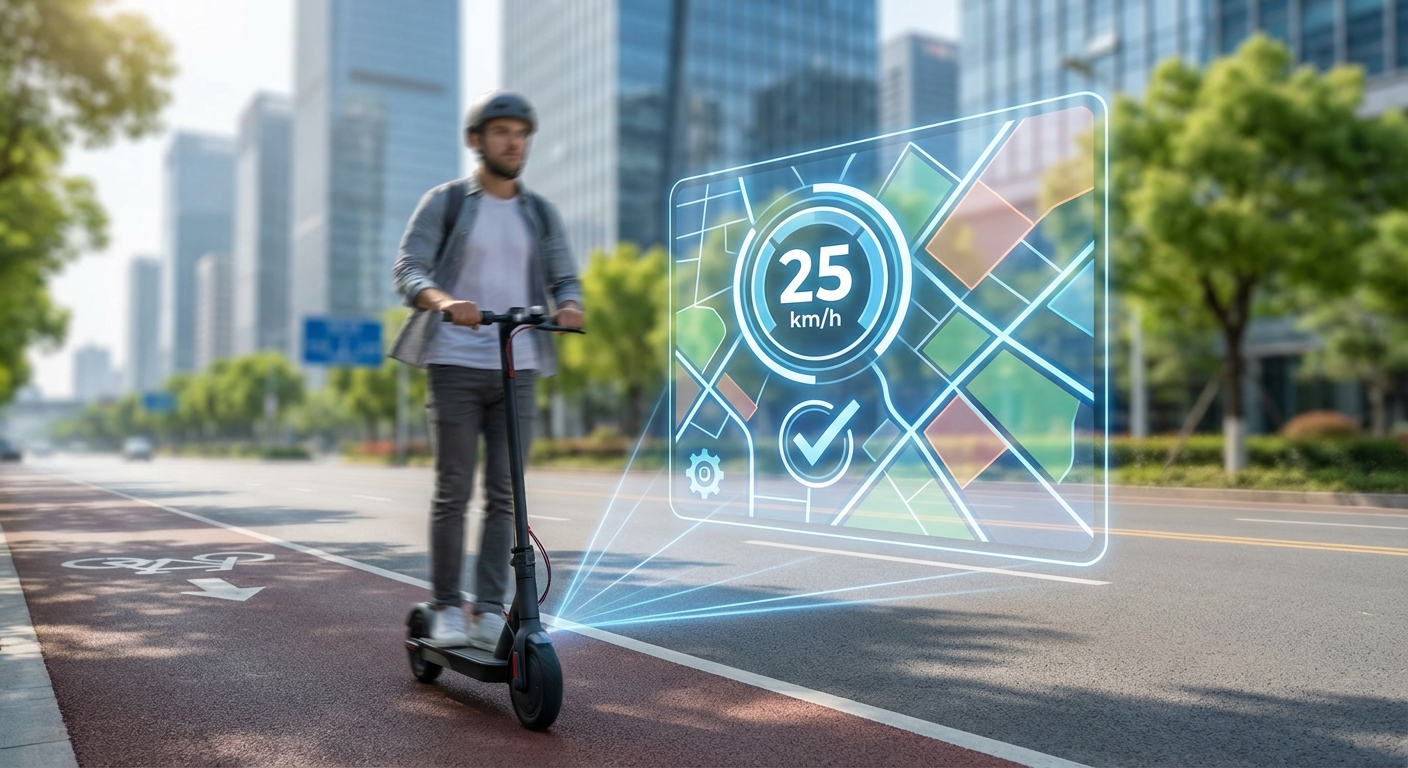
Understanding E-Scooter Speed Limits: What’s Legal in Your City
Riding an e-scooter feels liberating until you get pulled over for breaking speed laws you didn’t know existed. Different cities enforce wildly different speed limits, and what’s legal on one street might earn you a ticket two blocks away. Understanding these rules isn’t just about avoiding fines. It’s about keeping yourself and others safe while enjoying the convenience of electric mobility.
E-scooter speed limits vary dramatically by location, ranging from 15 to 25 mph in most cities. Regulations depend on where you ride, including bike lanes, sidewalks, or roads. Violating speed laws can result in fines up to $500, confiscation, or criminal charges. Always check local ordinances before riding, adjust your speed for conditions, and use your scooter’s speed limiter if available to stay compliant and safe.
Why speed limits exist for e-scooters
Cities didn’t create speed restrictions to ruin your commute. They emerged from real safety data showing that higher speeds increase injury severity for both riders and pedestrians.
A rider traveling at 20 mph has significantly more stopping distance than someone at 10 mph. That difference matters when a pedestrian steps off a curb or a car door opens unexpectedly.
Speed regulations also address noise complaints and infrastructure wear. Faster riders create more pavement damage and generate concerns from residents who see e-scooters as disruptive.
Most importantly, speed limits help cities manage the integration of new mobility options into existing transportation networks. They’re testing grounds for figuring out what works.
Common speed limit ranges across major cities
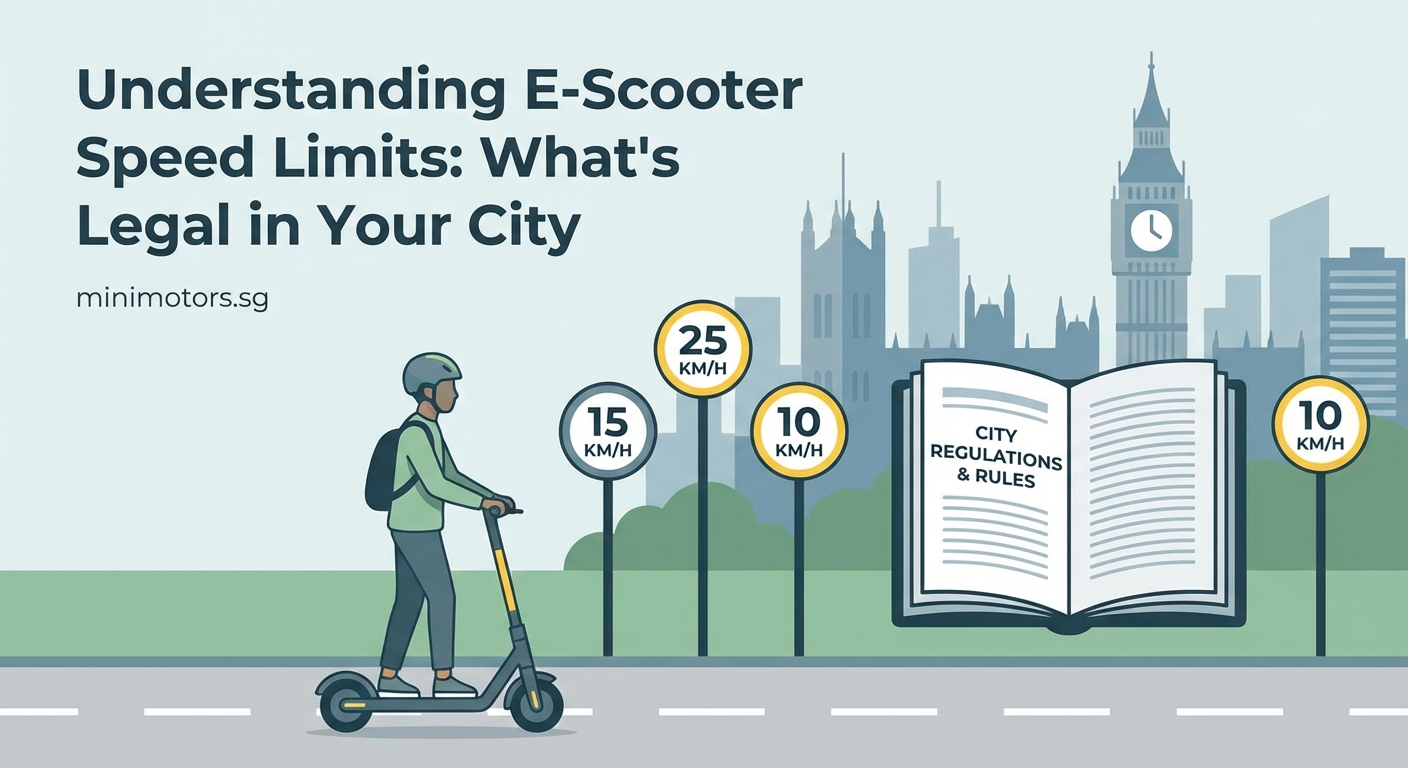
Most urban areas fall into predictable speed limit categories based on location type.
Sidewalk riding typically allows 6 to 10 mph where it’s permitted at all. Many cities ban sidewalk riding entirely for e-scooters, especially in downtown areas.
Bike lanes and shared paths usually permit 15 to 20 mph. This matches typical cycling speeds and keeps traffic flowing smoothly.
Road travel varies widely. Some cities allow up to 25 mph on roads with speed limits under 35 mph. Others restrict e-scooters to bike lanes only.
School zones and parks often enforce reduced limits of 5 to 10 mph during certain hours. These restrictions protect vulnerable populations in high-traffic pedestrian areas.
Geofenced zones in many cities automatically limit scooter speeds through GPS technology. Your rental scooter might slow down without you touching the throttle when you enter restricted areas.
How to find your local speed regulations
Finding accurate, current rules takes more effort than it should. Here’s how to track them down efficiently.
-
Start with your city’s official transportation or mobility department website. Look for sections on micro-mobility, personal mobility devices, or electric scooters specifically.
-
Check your state’s vehicle code or transportation statutes. Many states set baseline rules that cities can make stricter but not more lenient.
-
Contact your local police department’s traffic division. They can clarify enforcement priorities and common misunderstandings about the rules.
-
Review rental scooter company apps if you use shared services. Companies like Bird and Lime display local rules within their apps, though these aren’t always comprehensive.
-
Join local e-scooter or micro-mobility groups on social media. Experienced riders often share practical knowledge about enforcement patterns and recent regulation changes.
Always verify information from multiple sources. Outdated websites and conflicting regulations create confusion even for city officials. When in doubt, follow the most conservative interpretation.
Speed limit variations you need to know
The same city might enforce different limits just blocks apart. Understanding these variations keeps you compliant.
Time-based restrictions activate during rush hours, school hours, or nighttime. A path that allows 20 mph at noon might drop to 10 mph between 7 and 9 a.m.
Event-based zones appear during festivals, farmers markets, or concerts. Cities often create temporary slow zones that aren’t marked on regular maps.
Weather-triggered limits exist in some progressive cities. After rain or during fog, posted limits might reduce automatically through app notifications.
Rider-specific rules sometimes apply based on age or license status. Teen riders might face lower limits than adults even on the same street.
Private property adds another layer. Shopping centers, college campuses, and business parks set their own rules that supersede city regulations.
What happens when you break speed limits
Penalties vary dramatically based on location and circumstances.
First-time violations in most cities result in warnings if you’re cooperative and the violation is minor. Officers often use discretion for riders who seem unaware of local rules.
Fines typically range from $50 to $500 depending on how much you exceeded the limit and where you were riding. Speeding through a park with children present brings harsher penalties than speeding on an empty bike path.
Scooter impoundment happens in cities with strict enforcement. Getting your scooter back involves paying fines plus storage fees that accumulate daily.
Criminal charges apply in extreme cases. Reckless operation that endangers others can escalate beyond traffic violations into misdemeanor territory.
Insurance implications might surprise you. Some insurers consider e-scooter violations when setting auto insurance rates, treating them similarly to moving violations in cars.
Rental scooter users face account suspension or permanent bans after repeated violations. Companies track your riding patterns and respond to complaints from other users or pedestrians.
Speed enforcement methods cities use
Cities employ various tactics to catch speeders and encourage compliance.
Police patrols on bikes or scooters blend into traffic and catch violations in real time. Some departments dedicate officers specifically to micro-mobility enforcement during peak hours.
Radar speed detection works just like it does for cars. Officers set up temporary checkpoints in problem areas and stop riders exceeding posted limits.
GPS monitoring through rental scooter systems provides detailed data about every ride. Companies share this information with cities and can identify repeat offenders automatically.
Citizen complaints trigger enforcement sweeps. Apps that let residents report dangerous riding lead to targeted patrols in specific neighborhoods.
Automated speed cameras are being tested in some cities. These systems photograph license plates on registered scooters or use facial recognition on riders.
The enforcement intensity varies wildly. Some cities rarely ticket e-scooter riders while others run weekly crackdowns that generate significant revenue.
Comparing regulations across different regions
| Region Type | Typical Speed Limit | Helmet Required | Age Minimum | License Needed |
|---|---|---|---|---|
| Dense urban core | 10-15 mph | Often yes | 16-18 | Varies |
| Suburban areas | 15-20 mph | Sometimes | 14-16 | Rarely |
| College campuses | 8-12 mph | Usually | 18+ | No |
| Bike paths/trails | 15-20 mph | Recommended | Varies | No |
| Beach boardwalks | 5-10 mph | No | 12+ | No |
These patterns show clear trends but individual cities deviate significantly. Always verify local requirements rather than assuming based on general patterns.
Technical speed limiters and how they work
Modern e-scooters include technology to help you stay compliant without constant attention to your speedometer.
Factory speed limiters cap maximum speed regardless of throttle input. Entry-level scooters often max out at 15 mph, making it physically impossible to exceed most city limits.
Adjustable speed modes let you select eco, standard, or sport settings. Keeping your scooter in eco mode automatically restricts you to lower speeds suitable for crowded areas.
App-controlled governors on rental scooters adjust limits based on GPS location. You’ll feel the scooter slow down when entering restricted zones without any action on your part.
Geofencing technology creates virtual boundaries where speed automatically reduces. Some systems are so precise they distinguish between sidewalks and adjacent bike lanes.
Manual speed displays on your dashboard help you monitor compliance. Glancing at your current speed becomes second nature after a few rides.
Understanding how to engage these features before you need them prevents violations. Most riders never explore their scooter’s settings until after they’ve been stopped by police.
Practical tips for staying within speed limits
Compliance doesn’t mean crawling along while everyone passes you. These strategies keep you legal without killing your commute time.
-
Set your scooter’s speed limiter 2-3 mph below the posted limit. This buffer accounts for speedometer inaccuracy and gives you reaction time if conditions change.
-
Slow down before entering new zones rather than waiting until you see a sign. Speed limit changes often occur at intersections where visibility is already compromised.
-
Watch for school buses, crossing guards, and playground zones. These trigger lower limits even if signs aren’t immediately visible.
-
Reduce speed in bad weather beyond what regulations require. Wet pavement and reduced visibility make posted limits too fast for safe operation.
-
Learn the feel of different speeds without looking at your display. Developing this sense helps you maintain appropriate speeds while keeping your eyes on traffic.
-
Plan routes that minimize speed zone changes. Consistent limits on longer stretches make compliance easier than routes with frequent transitions.
-
Use cruise control features if your scooter has them. Maintaining steady speeds in appropriate zones reduces the temptation to gradually accelerate.
Experienced riders develop intuition about appropriate speeds for different situations. This comes faster if you actively practice speed awareness rather than just reacting to enforcement.
Special considerations for different rider types
Your situation affects how you should approach speed compliance.
Commuters balancing speed with punctuality need to build extra time into routes. Rushing leads to violations and accidents that cost more time than leaving five minutes earlier.
Recreational riders in parks and tourist areas face the strictest enforcement. Officers focus on these zones because they generate the most complaints from pedestrians and families.
Delivery workers using e-scooters for food or package delivery operate under commercial vehicle rules in some cities. These often include lower speed limits and additional licensing requirements.
Teen riders should assume stricter limits apply even when regulations don’t explicitly state age-based differences. Officers use more discretion with younger riders, which can mean more stops and warnings.
Tourists visiting new cities should research rules before renting. Many vacation destinations have unique restrictions designed to protect pedestrian-heavy areas.
When you’re choosing your first electric scooter, consider models with robust speed limiting features if you’ll ride in areas with complex regulations.
Insurance and liability implications of speed violations
Speed-related incidents create legal exposure that extends beyond traffic tickets.
Personal injury claims after accidents often hinge on whether you were exceeding posted limits. Even if the other party shares fault, your speed violation strengthens their case and increases your liability.
Property damage claims work similarly. Hitting a parked car while speeding makes you clearly at fault and limits your ability to negotiate reduced responsibility.
Medical bills from your own injuries might not be covered if insurance determines you were breaking the law when injured. Some policies include exclusions for injuries sustained during illegal activities.
Liability insurance for e-scooter riders is becoming more common and often costs less than $100 annually. These policies typically require you to operate within legal speed limits for coverage to apply.
Learning about e-scooter insurance coverage options helps you understand your exposure before an incident occurs.
How speed limits might change in the future
Regulations continue evolving as cities gather more data about e-scooter integration.
Dynamic speed limits that adjust based on real-time conditions are being tested. Your scooter might receive different limits for the same street depending on current traffic, weather, and pedestrian density.
Rider-specific limits based on safety records could emerge. Clean riding histories might earn you access to higher speeds while violations trigger automatic restrictions.
Infrastructure improvements like dedicated e-scooter lanes might allow higher speeds in exchange for separation from pedestrians and cars.
Standardization efforts at state and federal levels could replace the current patchwork of local rules. This would simplify compliance but might make some local regulations stricter.
Technology mandates requiring GPS-based speed limiting on all scooters would shift enforcement from police to automated systems.
Staying informed about regulatory trends helps you anticipate changes before they affect your daily riding. Following industry developments keeps you ahead of enforcement curve.
Common mistakes that lead to violations
Many riders break speed limits without realizing it. Avoiding these patterns keeps you compliant.
Gradual acceleration causes speeds to creep up over time. You start at 15 mph but unconsciously reach 20 mph after a few minutes of uninterrupted riding.
Downhill momentum adds speed without throttle input. Gravity-assisted acceleration catches riders off guard, especially on unfamiliar routes.
Following faster traffic creates pressure to match surrounding speeds. Other riders might be breaking rules or riding in zones with different limits.
Distraction from navigation makes you focus on finding your route instead of monitoring speed. Checking your phone for directions while riding almost guarantees violations.
Assuming consistency across your route leads to continued high speeds when limits drop. The transition from bike lane to shared path often brings lower limits.
Testing new scooters with more power than your previous ride can surprise you. More responsive throttles make it easier to exceed limits accidentally.
Understanding common e-scooter accidents and how to avoid them includes recognizing how speed violations create dangerous situations.
Making speed compliance a habit
Consistent compliance comes from building good practices into your routine.
Start every ride by checking your speed limiter settings. This five-second habit prevents most violations before they happen.
Identify your regular routes’ speed zones and memorize the transitions. Familiarity eliminates the need to constantly watch for signs while riding.
Practice smooth acceleration and deceleration. Jerky speed changes make it harder to maintain appropriate speeds and reduce your control.
Ride with experienced local riders who know the rules. Their habits and route choices teach you compliance patterns faster than reading regulations.
Keep your scooter’s firmware updated. Manufacturers regularly adjust speed limiting algorithms and geofencing boundaries to match changing local rules.
Treat speed limits as maximums for ideal conditions, not targets to hit. Riding slightly below the limit gives you margin for unexpected situations.
Building these habits takes a few weeks but becomes automatic. You’ll stop thinking about speed compliance and start riding at appropriate speeds instinctively.
Resources for staying informed about regulation changes
Cities update e-scooter rules frequently as they learn what works. These resources help you stay current.
City transportation department newsletters announce regulation changes before enforcement begins. Subscribing puts updates directly in your inbox.
Local news outlets cover significant policy changes that affect riders. Following transportation reporters on social media provides real-time updates.
Rider advocacy groups track regulation proposals and organize responses. These organizations often know about coming changes before official announcements.
Scooter company blogs explain how new rules affect their services. Companies have strong incentives to keep users informed about compliance requirements.
State legislature tracking tools show bills that would affect e-scooter regulations. Understanding proposed changes helps you anticipate future requirements.
Regular check-ins every few months keep you informed without becoming overwhelming. Regulations rarely change so frequently that weekly monitoring is necessary.
Riding smart means riding legal
Speed limits exist for legitimate safety reasons, but they also reflect cities’ ongoing experiments with new mobility options. Your compliance helps demonstrate that e-scooters can coexist safely with other transportation modes.
Understanding the rules in your area, using your scooter’s technical features to maintain appropriate speeds, and staying informed about changes protects you from tickets and liability. More importantly, it keeps you and everyone around you safer.
Take ten minutes today to verify the specific regulations where you ride most often. Set your speed limiter appropriately and make checking it part of your pre-ride routine. These small actions turn compliance from a conscious effort into an automatic habit that lets you focus on enjoying your ride.
