How to Extend Your Electric Scooter’s Lifespan: 7 Preventive Maintenance Habits Every Rider Should Know
Your electric scooter is more than just a convenient ride. It’s an investment that deserves proper care. Most riders don’t realize that simple daily habits can add years to their scooter’s life, while neglect can cut it short by half or more. The difference between a scooter that lasts two years and one that runs strong for five often comes down to a handful of preventive maintenance practices.
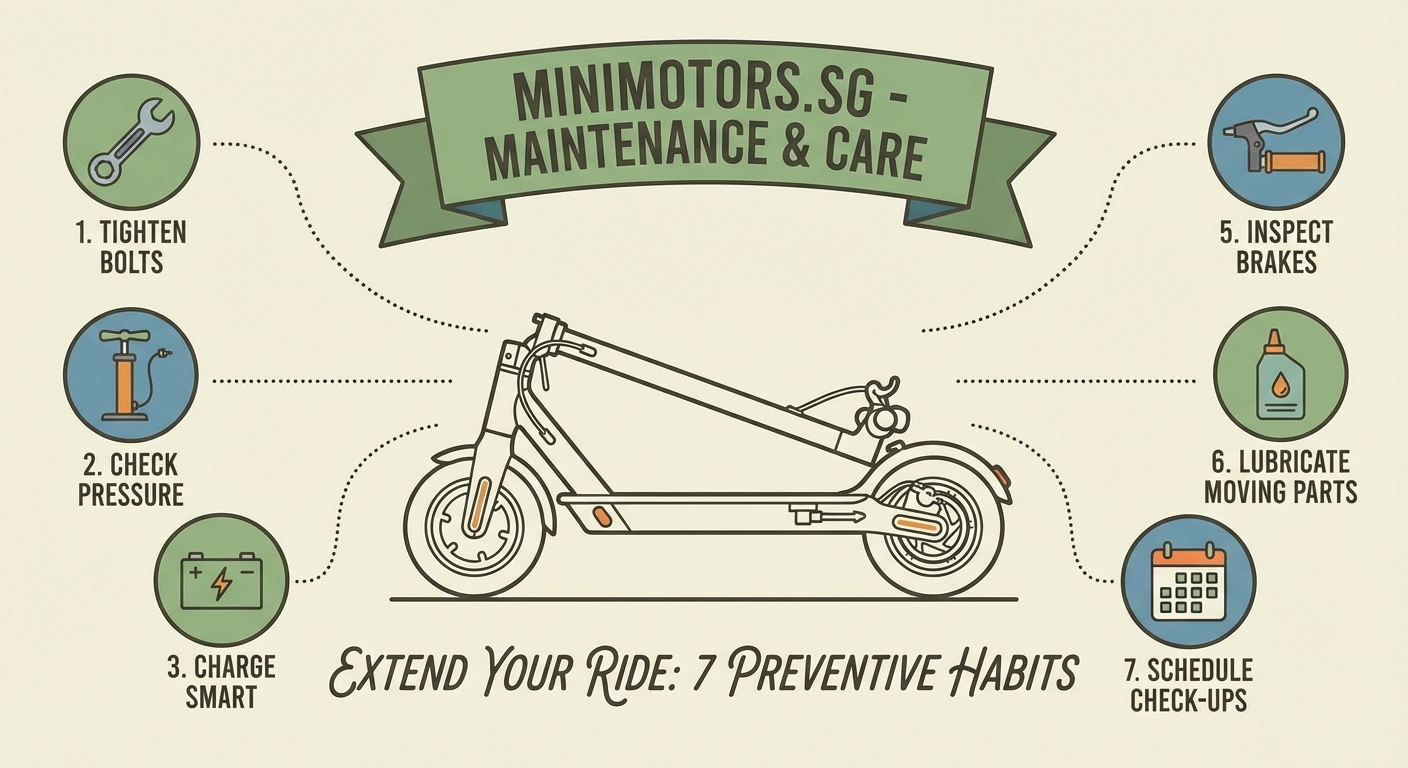
Extending your electric scooter’s lifespan requires consistent attention to battery health, tire pressure, brake function, and overall cleanliness. Smart charging habits, regular inspections, proper storage, and gentle riding techniques can double your scooter’s usable life. Small preventive actions performed weekly cost far less than major repairs or early replacement.
Battery care makes the biggest difference
Your battery represents the single most expensive component in your scooter. It also degrades faster than any other part when mistreated.
Charging habits directly impact battery longevity. Never let your battery drop below 20% before recharging. Deep discharges stress lithium-ion cells and reduce their total cycle count. Similarly, avoid charging to 100% for daily rides. Keeping charge levels between 20% and 80% can extend battery life by 30% or more.
Temperature matters more than most riders think. Store your scooter in a climate-controlled space when possible. Extreme heat accelerates chemical degradation inside battery cells. Extreme cold reduces capacity temporarily and can cause permanent damage if you charge a frozen battery.
Use only the manufacturer-approved charger. Third-party chargers may deliver incorrect voltage or current, creating heat and stress that shortens battery life. The few dollars saved on a cheap charger can cost you hundreds in premature battery replacement.
If you plan to store your scooter for more than two weeks, charge the battery to approximately 50%. Check it monthly and top it up if it drops below 40%. Batteries left fully charged or completely drained during storage degrade faster.
Tire maintenance prevents costly damage
Proper tire pressure affects more than just ride comfort. It influences battery range, motor strain, and frame stress.
Check tire pressure weekly using a digital gauge. Most electric scooters perform best between 40 and 50 PSI, but always verify your model’s specifications. Underinflated tires increase rolling resistance, forcing your motor to work harder and draining your battery faster. They also wear unevenly and risk pinch flats.
Overinflated tires reduce traction and make your ride harsh. They’re more prone to blowouts from road debris. Finding the sweet spot extends tire life and protects your rims.
Inspect tread depth monthly. Worn tires lose grip in wet conditions and increase stopping distances. Replace tires before they become completely smooth. Waiting too long risks accidents and potential damage to wheels or brakes.
Rotate your tires if your scooter has removable wheels. The rear tire typically wears faster due to motor torque and weight distribution. Swapping front and rear every few months evens out wear patterns.
Regular tire maintenance is the easiest way to prevent expensive repairs. A $50 tire replacement beats a $300 rim replacement every time.
Brake inspection saves lives and money
Brakes wear gradually, making it easy to ignore small changes in performance. That gradual decline can leave you with dangerously reduced stopping power.
Test your brakes before every ride. Squeeze the levers and ensure they engage smoothly without excessive travel. Listen for grinding or squealing sounds that indicate worn pads or contaminated rotors.
For mechanical brakes, check cable tension monthly. Cables stretch over time, reducing brake effectiveness. Most scooters have barrel adjusters that let you tighten cables without tools. If you’ve maxed out the adjuster, the cable likely needs replacement.
Disc brakes require pad inspection every 200 miles. Remove the wheel and look at pad thickness. Replace pads when they’re down to 1-2mm. Waiting until metal contacts metal damages rotors, turning a $15 pad replacement into a $60 rotor and pad job.
Electronic brakes need different care. Keep motor connections clean and dry. Test regenerative braking regularly to ensure it engages predictably. If you notice reduced braking force, understanding e-scooter braking systems helps you diagnose the issue.
Clean brake rotors with isopropyl alcohol every month. Oil, dirt, and road grime reduce friction and contaminate pads. A clean rotor grabs better and extends pad life.
Cleaning protects electrical components
Water and electronics don’t mix, but dirt creates problems too. A regular cleaning routine prevents both issues.
Never pressure wash your scooter. High-pressure water forces moisture past seals and into electrical connections. Use a damp cloth and mild soap instead.
Here’s a safe cleaning process:
- Turn off your scooter and remove the battery if possible.
- Wipe down the deck, handlebars, and frame with a slightly damp microfiber cloth.
- Use a dry brush to remove debris from around the motor, controller, and charging port.
- Clean the display screen with a screen-safe cleaner, never harsh chemicals.
- Dry everything thoroughly before reassembling or charging.
Pay special attention to the folding mechanism. Dirt and grime in the locking mechanism can prevent proper engagement, creating a safety hazard. Clean and lubricate these parts monthly.
Protect electrical contacts with dielectric grease. A thin layer on battery connections and charging ports prevents corrosion and ensures reliable power transfer. This simple step can prevent mysterious power issues down the road.
Deep cleaning your electric scooter thoroughly every few months removes hidden grime that regular wipes miss.
Bolt checks prevent catastrophic failures
Vibration loosens fasteners over time. A bolt that backs out can disable your scooter or cause a crash.
Inspect all visible bolts monthly. Focus on high-stress areas like the handlebar stem, folding mechanism, motor mounts, and brake calipers. Tighten anything that’s worked loose, but don’t overtighten. Most scooter bolts need only 5-8 Nm of torque.
Use threadlocker on critical bolts after confirming proper tightness. Blue threadlocker (removable) works for most applications. Red threadlocker (permanent) should only be used where specified by the manufacturer.
Listen for new rattles or clicks while riding. These sounds often indicate a loose component. Track down the source immediately before minor looseness becomes major damage.
Carry a basic multi-tool on every ride. Being able to tighten a loose bolt roadside prevents being stranded or riding an unsafe scooter home.
Storage habits extend component life
Where and how you store your scooter affects every component.
Keep your scooter indoors whenever possible. UV radiation degrades plastic parts, fades paint, and weakens rubber components. Rain and humidity corrode metal parts and damage electrical connections.
If you must store outside, use a waterproof cover designed for scooters. Ensure the cover breathes to prevent condensation buildup. Check under the cover weekly for moisture or pest activity.
Store your scooter upright on its kickstand or hanging from a wall mount. Leaving it on its side can damage the throttle, brake levers, or display. It also risks oil or lubricant migrating where it shouldn’t.
Avoid storing in unheated garages during winter in cold climates. Bring the battery inside to a room-temperature space. Cold batteries lose capacity and can suffer permanent damage if charged while frozen.
Riding style impacts longevity
How you ride affects wear rates on every component.
Smooth acceleration preserves motor brushes, controller components, and battery cells. Jackrabbit starts from every stoplight stress the electrical system and drain the battery faster. Gradual throttle application gets you to speed almost as fast while extending component life.
Anticipate stops and use regenerative braking when available. This technique recovers energy while reducing wear on mechanical brakes. It also keeps brake pads and rotors lasting longer.
Avoid obstacles when possible. Hitting curbs, potholes, and speed bumps at speed damages suspension, wheels, and frame welds. Slow down and lift the front wheel over obstacles when you can’t avoid them.
Respect weight limits. Exceeding your scooter’s rated capacity stresses the motor, drains the battery faster, and accelerates wear on tires and brakes. If you regularly carry cargo, choosing an e-scooter with appropriate weight capacity matters.
Reduce speed on rough surfaces. Washboard pavement, gravel, and broken asphalt create vibration that loosens bolts and fatigues frame welds. Slowing down absorbs less shock and extends structural life.
Common mistakes that shorten scooter life
Understanding what not to do is as important as knowing proper maintenance.
| Mistake | Consequence | Better Practice |
|---|---|---|
| Charging immediately after riding | Battery heat + charging heat = accelerated degradation | Wait 30 minutes for battery to cool |
| Ignoring strange noises | Small problems become expensive failures | Investigate and fix issues immediately |
| Riding through deep water | Water damage to motor and controller | Walk through puddles deeper than 2 inches |
| Storing with flat battery | Battery enters deep discharge, may not recover | Maintain 40-60% charge during storage |
| Using WD-40 as lubricant | Attracts dirt, dries out, damages seals | Use proper chain lube or silicone spray |
| Skipping firmware updates | Miss performance improvements and bug fixes | Update when manufacturer releases new versions |
Scheduled maintenance timeline
Consistency matters more than perfection. Following a regular schedule prevents forgotten tasks.
Before every ride:
– Visual inspection for obvious damage
– Brake function test
– Tire pressure check (weekly minimum, daily if you notice changes)
– Lights and horn test
Weekly tasks:
– Wipe down frame and deck
– Check for loose bolts
– Inspect tires for embedded debris
– Test folding mechanism
Monthly maintenance:
– Thorough cleaning
– Brake pad inspection
– Lubricate folding mechanism
– Check tire tread depth
– Inspect cables for fraying
– Clean and protect electrical contacts
Quarterly service:
– Deep clean all components
– Replace worn brake pads
– Inspect suspension for leaks or damage
– Check wheel bearings for play
– Update firmware if available
– Professional inspection if you’re not mechanically inclined
Following a comprehensive maintenance checklist ensures nothing gets overlooked.
When to seek professional help
Some maintenance tasks require specialized tools or expertise.
Motor issues often need professional diagnosis. If you experience loss of power, unusual noises from the motor, or error codes on your display, a qualified technician can identify problems before they cause complete failure.
Controller replacements involve electrical connections that can damage your scooter if done incorrectly. Unless you have electronics experience, leave this to professionals.
Structural damage like cracked welds or bent frames requires expert assessment. Riding a compromised frame risks catastrophic failure. A professional can determine if repair is safe or if replacement is necessary.
Battery problems beyond basic maintenance need expert attention. Swollen batteries, cells that won’t charge, or significant capacity loss may indicate internal damage. Attempting to repair lithium-ion batteries yourself is dangerous.
Signs your scooter needs attention now
Some symptoms demand immediate action.
- Reduced range: If your fully charged battery provides noticeably less distance than normal, battery degradation may be accelerating.
- Grinding sounds: Metal-on-metal contact in brakes or bearings causes permanent damage if ignored.
- Wobbling or shaking: Loose components or damaged wheels create safety hazards.
- Intermittent power: Electrical connection problems can strand you or cause crashes.
- Burning smell: Overheating components can start fires. Stop riding immediately.
Smart upgrades that extend life
Not all modifications are created equal. Some actually improve longevity.
Quality tires with puncture protection reduce flat frequency and extend replacement intervals. The upfront cost pays off in fewer roadside repairs and longer tread life.
Upgraded brake pads made from better compounds last longer and perform better in wet conditions. They cost slightly more but can double the replacement interval.
Suspension upgrades reduce shock transmission to the frame and components. Better damping means less vibration loosening bolts and fatiguing welds.
Fenders keep road spray off electrical components and reduce cleaning frequency. They’re cheap insurance against water damage.
Making maintenance a habit
The riders who get the most life from their scooters don’t think about maintenance as a chore. They build it into their routine.
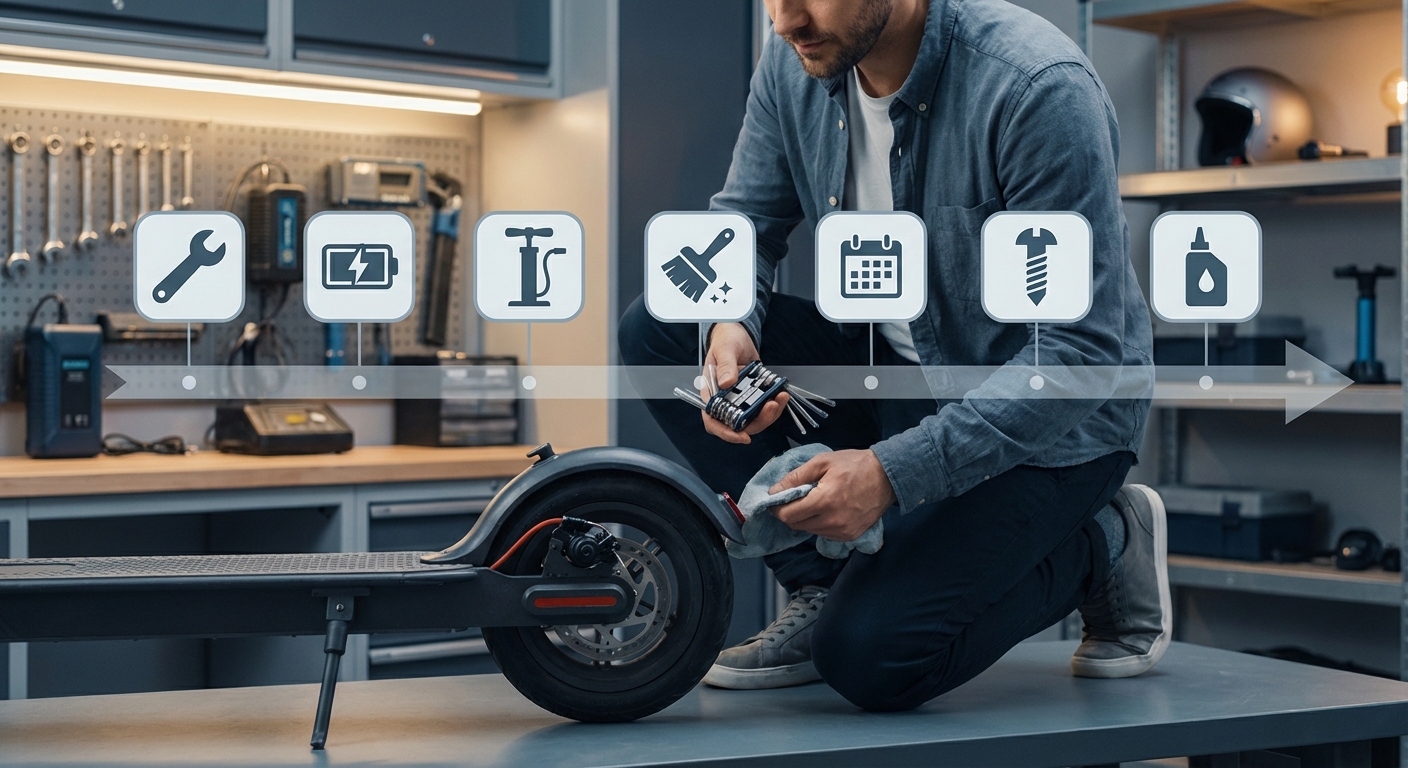
Keep basic tools and supplies where you store your scooter. Having a pump, multi-tool, and cleaning cloth readily available removes barriers to regular care.
Set phone reminders for monthly tasks. A recurring calendar event ensures you don’t forget inspections during busy periods.
Track maintenance in a simple log. Note tire pressure readings, brake adjustments, and cleaning dates. Patterns become visible over time, helping you predict when components need attention.
Join online communities for your scooter model. Other owners share maintenance tips, troubleshooting advice, and early warnings about common problems. First-time riders especially benefit from experienced community knowledge.
Small efforts, big returns
The gap between a scooter that lasts two years and one that runs strong for five isn’t luck or build quality alone. It’s the accumulation of dozens of small maintenance habits performed consistently.
Checking tire pressure takes 30 seconds. Wiping down your scooter after a rainy ride takes two minutes. Testing brakes before you roll out takes five seconds. These tiny investments of time compound into thousands of dollars saved on repairs and replacement.
Your scooter will reward proper care with reliable performance, better range, and years of service. Start with the basics: battery care, tire pressure, and brake checks. Build from there as maintenance becomes routine. The riders who treat their scooters well don’t just save money. They ride with confidence, knowing their machine will get them home safely every time.
