7 Must-Have Accessories Every E-Scooter Commuter Should Own
You just bought your first electric scooter and the freedom feels incredible. No more waiting for buses or fighting for parking spots. But after a few rides, reality hits. Your phone nearly flew out of your hand while checking directions. Rain caught you off guard. Your backpack keeps sliding around. The stock setup works, but it’s not quite ready for real daily commuting.
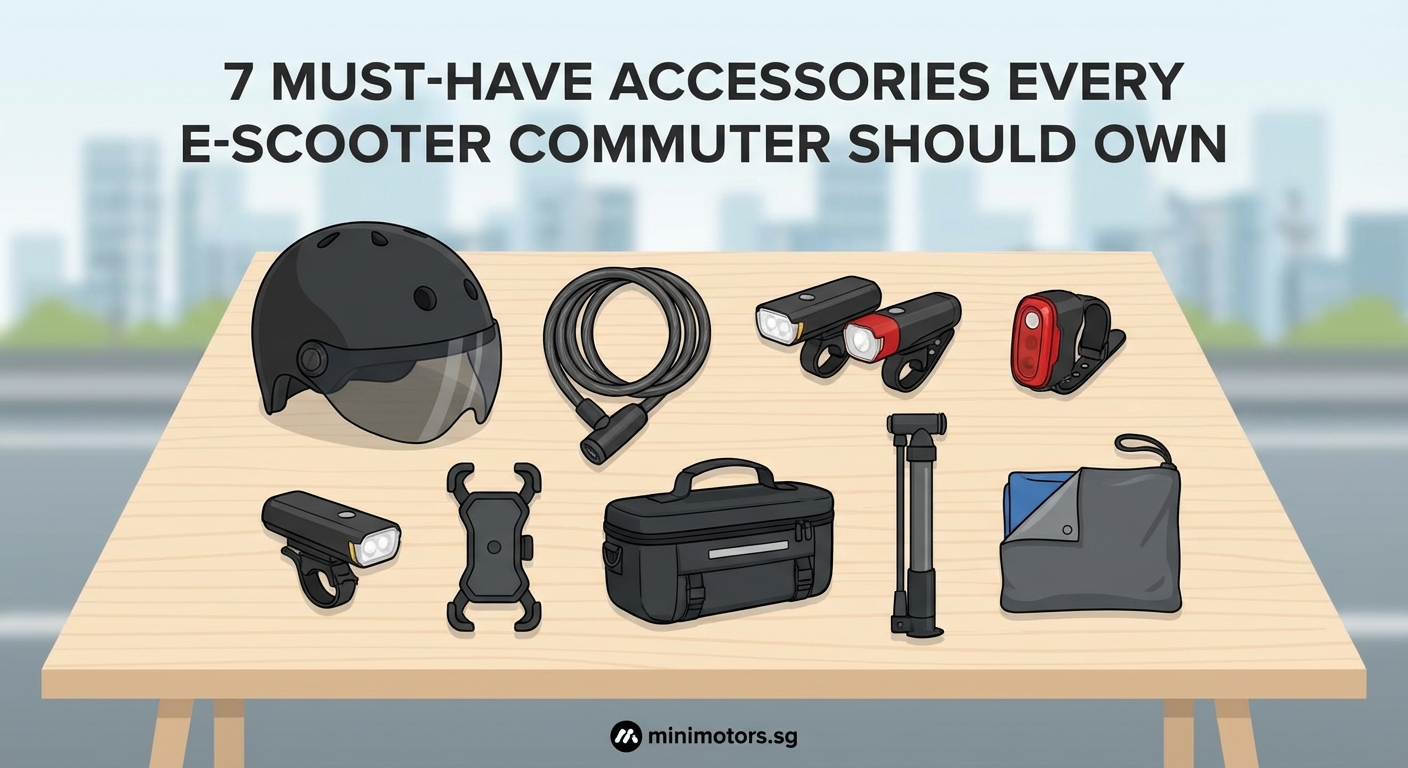
The right electric scooter accessories transform your ride from functional to genuinely practical. Safety gear protects you during unexpected situations, storage solutions keep your belongings secure, and visibility upgrades make you noticeable to drivers. Smart additions like phone mounts and portable locks address the daily challenges urban commuters face. Investing in quality accessories upfront saves money and frustration down the road.
Safety gear that actually protects you
Most riders skip protective equipment until after their first fall. Don’t be that person.
A certified helmet is non-negotiable. Look for CPSC or EN 1078 certification marks. Urban commuting helmets should include rear lights and reflective strips. Brands like Thousand and Lumos build commuter-specific designs that don’t look ridiculous at the office.
Gloves matter more than you think. Your hands instinctively shoot out during falls. Half-finger gloves work for summer, but full coverage with palm padding prevents road rash. Mechanix Wear and Fox Racing make durable options under $30.
Knee and elbow pads sound extreme until you hit a slick metal grate at 15 mph. Low-profile protection fits under jeans and work pants. G-Form makes impact-absorbing pads that stay flexible until struck.
Riders who wear full protective gear reduce injury severity by 70% according to micromobility safety studies. The investment pays for itself the first time you need it.
Storage solutions for daily essentials
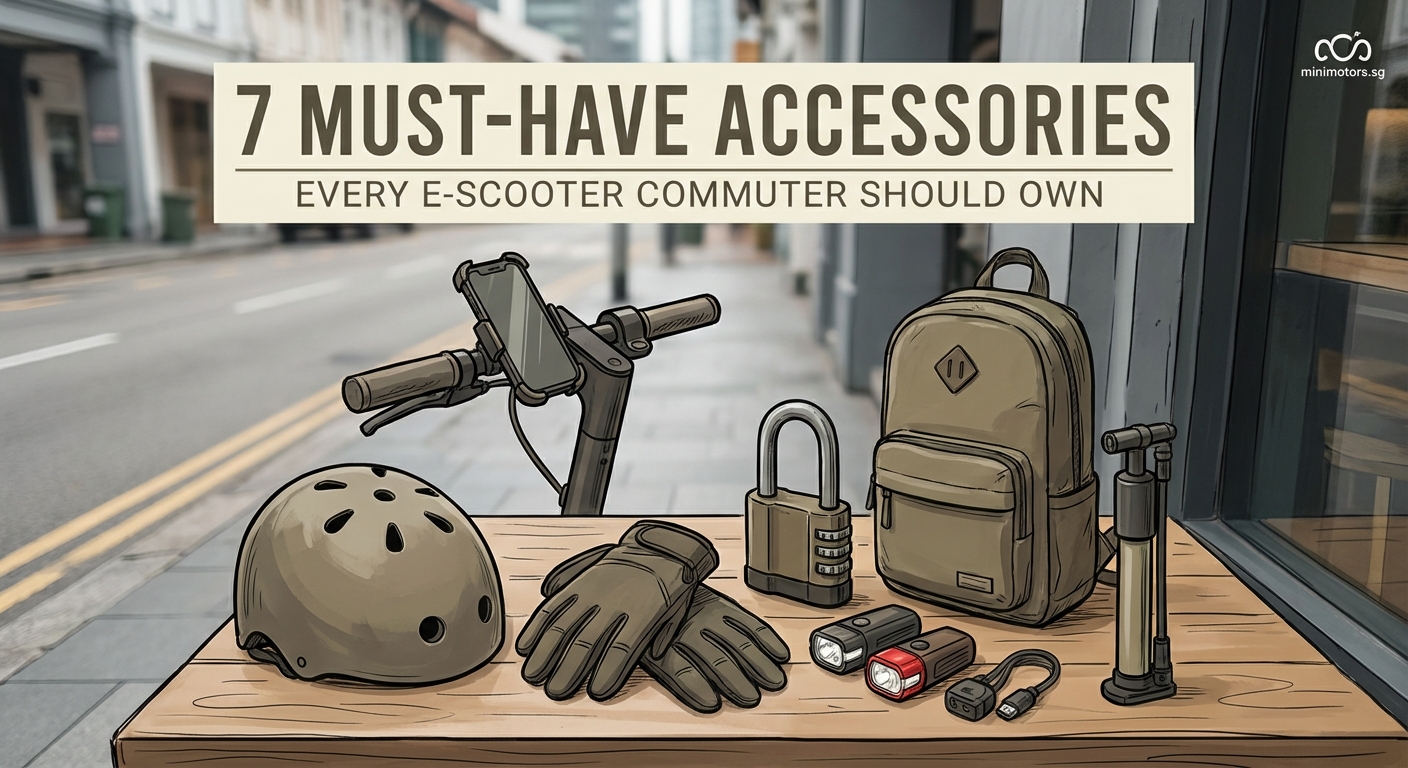
Carrying a backpack on an electric scooter throws off your balance and makes your back sweat. Better options exist.
Handlebar bags mount directly to your stem and hold phones, wallets, and keys within easy reach. Waterproof versions from Rockbros or Wildman protect electronics during surprise showers. Choose bags with quick-release systems so you can take them into stores.
Deck bags strap to your scooter’s platform and carry heavier items without affecting handling. They’re perfect for groceries, gym clothes, or laptop chargers. Make sure any deck bag sits low enough that your feet have clearance.
For serious cargo, consider a rear rack system. These bolt onto compatible scooter frames and support panniers or milk crates. You can haul 20+ pounds without compromising stability. Check weight limits for your specific scooter model before loading up.
If you’re still figuring out what works best for your commute setup, our guide on how to choose the right backpack for e-scooter riding covers the ergonomics in detail.
Phone mounts and navigation tools
Checking your phone while riding is dangerous. Mounting it properly solves the problem.
Quality phone mounts use either handlebar clamps or stem caps. Quad-lock systems offer the most secure connection but require a specific phone case. RAM mounts work with any device using adjustable grips.
Look for these features in any mount:
- Shock absorption to protect your phone from vibration damage
- 360-degree rotation for landscape or portrait viewing
- Weatherproof materials that won’t crack in cold weather
- Tool-free installation you can adjust on the go
Wireless charging mounts keep your battery topped up during longer commutes. These need a power bank strapped to your deck or a scooter with USB output. Battery drain from GPS navigation is real.
The best phone mounts for e-scooters article breaks down mounting positions and vibration protection in more depth.
Lighting upgrades for visibility
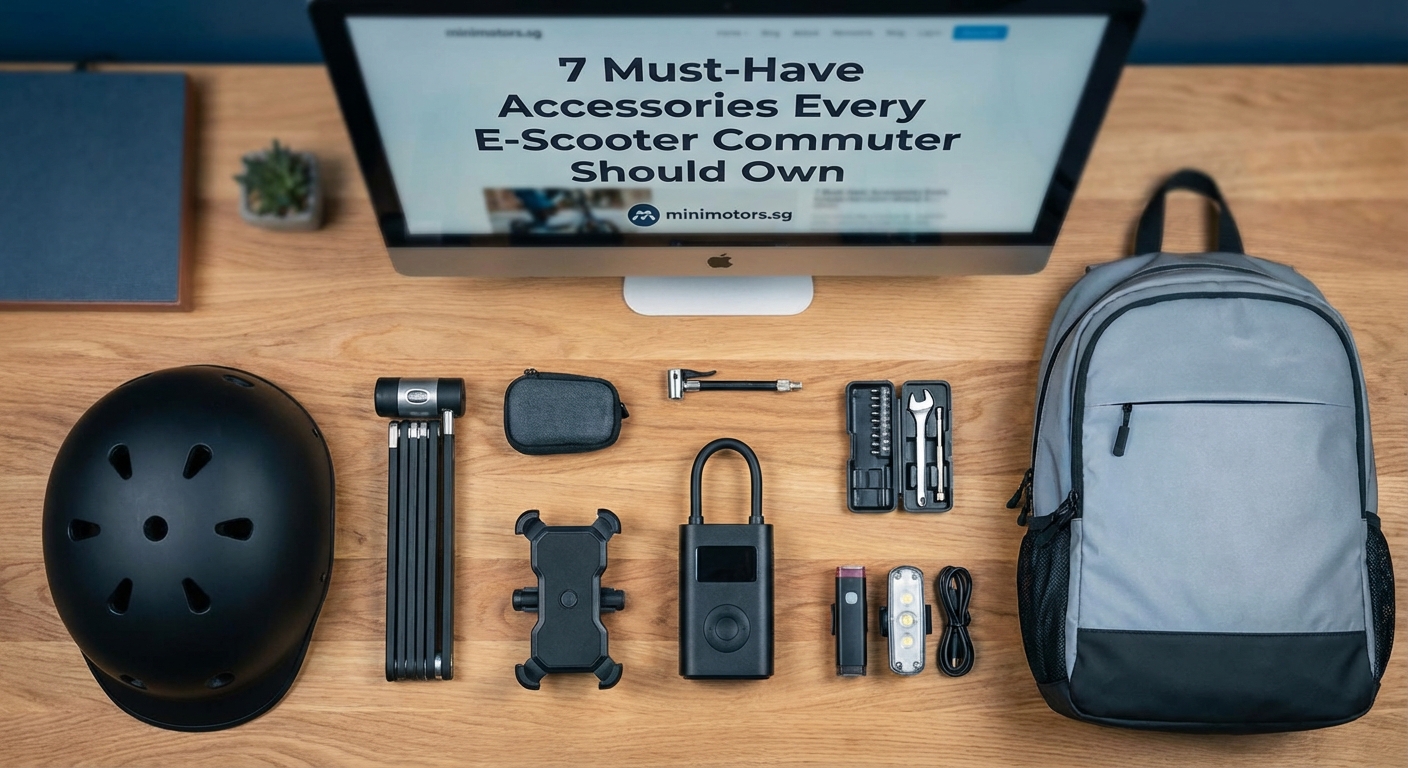
Factory lights on budget scooters are usually terrible. Upgrading makes you visible to drivers who aren’t paying attention.
Front lights should produce at least 500 lumens for urban riding. Anything less won’t help you see potholes or debris. Cree LED units from Niterider or Cygolite mount to handlebars and run for hours on rechargeable batteries.
Rear lights need to be bright and positioned at eye level for drivers. Clip-on options work, but permanently mounted lights stay put during bumpy rides. Flashing modes grab more attention than steady beams.
Underglow LED strips look flashy but actually improve side visibility at intersections. Drivers scanning left and right will spot movement in their peripheral vision. Stick-on RGB strips cost under $20 and install in minutes.
Reflective tape on your deck, stem, and fenders adds passive visibility without draining batteries. 3M Scotchlite tape reflects headlights from hundreds of feet away.
Our night riding safety guide covers optimal light placement and legal requirements for different cities.
Locks and security systems
Electric scooters disappear fast in cities. Proper security takes multiple layers.
U-locks provide the strongest physical deterrent. Kryptonite and Abus make models rated for high theft areas. Lock your scooter through the frame and rear wheel to an immovable object. Cables alone won’t stop anyone with bolt cutters.
Disc brake locks prevent the scooter from rolling. These compact devices fit in your pocket and trigger loud alarms if moved. Xena makes motorcycle-grade versions that work perfectly for scooters.
GPS trackers hide inside your deck or under the battery cover. Apple AirTags work but drain batteries. Dedicated trackers like Invoxia or Tile Pro last months and send real-time location updates. They won’t prevent theft but dramatically improve recovery odds.
For maximum protection, combine methods:
- Use a U-lock through the frame to secure infrastructure
- Add a disc brake lock with motion alarm
- Hide a GPS tracker in a non-obvious location
- Park in well-lit areas with camera coverage
Weather protection essentials
Rain happens. Being prepared means you keep riding instead of calling an Uber.
Waterproof covers protect your scooter’s electronics when parked outside. Heavy-duty nylon covers with elastic hems stay put during wind. Some models include ventilation panels that prevent moisture buildup.
Fenders keep water spray off your clothes and face. Most scooters include basic fenders, but aftermarket versions offer better coverage. Adjustable fenders from companies like Shad or Givi extend further and catch more debris.
Rain gear for riders needs to be specifically designed for scooter use. Regular rain jackets restrict arm movement. Look for cycling-specific jackets with articulated sleeves and longer backs. Waterproof pants with ankle zippers let you change without removing shoes.
Waterproof gloves maintain grip in wet conditions. Neoprene or Gore-Tex options keep hands warm and dry. Touchscreen-compatible fingertips let you use your phone without exposing skin.
Check out waterproof covers and rain gear for specific product recommendations and maintenance tips.
Maintenance tools you’ll actually use
Carrying basic tools prevents minor issues from ending your commute.
A multi-tool designed for scooters includes hex keys, screwdrivers, and spoke wrenches in one compact package. Topeak and Lezyne make versions that fit in handlebar bags. Check your scooter’s manual to confirm which sizes you need.
Portable tire pumps save you from walking home with a flat. Electric pumps run off USB power banks and reach proper PSI in minutes. Xiaomi and Cycplus make reliable models under $40. Keep one charged in your storage bag.
Spare inner tubes and tire levers let you fix flats on the spot. Watch a few YouTube tutorials before you need the skill. Changing a tube takes 10 minutes once you’ve practiced.
| Tool | Purpose | Estimated Cost |
|---|---|---|
| Multi-tool | Tighten bolts, adjust brakes | $15-30 |
| Portable pump | Inflate tires to proper PSI | $30-50 |
| Tire repair kit | Fix punctures and replace tubes | $10-20 |
| Cable ties | Emergency fixes for loose parts | $5 |
| Microfiber cloth | Clean display and lights | $3 |
Regular maintenance extends your scooter’s life and prevents breakdowns. Our ultimate e-scooter maintenance checklist outlines what to check and when.
Comfort upgrades for longer rides
Stock grips and seats prioritize cost over comfort. Small upgrades make big differences on 30-minute commutes.
Ergonomic grips reduce hand fatigue and prevent numbness. Foam grips absorb vibration better than hard rubber. Lock-on designs with metal collars won’t twist during hard braking. ESI, ODI, and Ergon make excellent options in various diameters.
Suspension seat posts add cushioning without modifying your scooter’s frame. These telescoping posts compress over bumps and smooth out rough pavement. Brands like Suntour and Cane Creek make versions that support 200+ pounds.
Handlebar risers adjust your riding position for better posture. Raising bars 2-3 inches reduces back strain during longer rides. Make sure cables have enough slack before raising too high.
Vibration dampening tape wraps around handlebars under your grips. Gel-filled tape from Fizik or Specialized cuts down on the buzzing sensation that causes hand fatigue.
Smart accessories that add functionality
Modern electric scooter accessories integrate technology for improved convenience and safety.
Bluetooth speakers mount to handlebars and provide turn-by-turn navigation audio. This keeps your eyes on the road instead of glancing at your phone. JBL and Ultimate Ears make rugged options with 10+ hour battery life.
Action cameras document your commute and provide evidence if accidents occur. GoPro and DJI models mount to helmets or handlebars. Loop recording automatically overwrites old footage so you don’t fill up memory cards.
USB charging ports keep devices powered during long rides. Some install inline with your scooter’s battery, while others use separate power banks. Make sure any hardwired installation includes proper fusing to prevent electrical issues.
Smartphone apps from scooter manufacturers track maintenance schedules, adjust performance settings, and lock your scooter remotely. Download your brand’s official app and enable all security features. Third-party apps like Ride Statistics log distance, speed, and elevation for data enthusiasts.
Accessory compatibility and installation tips
Not every accessory works with every scooter. Check compatibility before buying.
Handlebar diameter varies between 22mm and 35mm. Measure yours before ordering grips, mirrors, or mounts. Adjustable clamps offer more flexibility but may not grip as securely.
Deck width and length limit storage bag size. Bags that hang too low scrape on speed bumps. Measure your available space and compare against product dimensions.
Weight capacity matters for racks and carriers. Adding 20 pounds of cargo affects acceleration, braking distance, and battery range. Stay within manufacturer limits to avoid damaging your scooter’s frame or motor.
Installation difficulty ranges from tool-free clips to permanent modifications requiring drilling. Start with removable accessories until you’re confident about long-term needs. Permanent mounts void warranties on some scooter models.
Common mistakes when buying accessories
New riders waste money on accessories that don’t fit their actual commute patterns.
Buying cheap knockoffs seems smart until they break or damage your scooter. Generic phone mounts crack in cold weather. Bargain locks snap under pressure. Quality accessories cost more upfront but last years longer.
Over-accessorizing adds unnecessary weight and complexity. You don’t need a cup holder, speaker, and three storage bags. Start with essentials and add items as specific needs arise.
Ignoring local regulations causes problems. Some cities ban handlebar mirrors or require specific light configurations. Check your area’s electric scooter laws before modifying your ride.
Forgetting about theft risk when adding expensive accessories. A $200 phone mount makes your scooter a more attractive target. Remove valuable items when parking in public areas.
Building your accessory kit over time
You don’t need everything at once. Prioritize based on your specific commute challenges.
Month 1 essentials:
* Certified helmet
* Basic front and rear lights
* U-lock for security
* Phone mount for navigation
Month 2 additions:
* Protective gloves
* Waterproof handlebar bag
* Portable tire pump
* Multi-tool
Month 3 upgrades:
* Weather protection gear
* Comfort grips
* Additional lighting
* GPS tracker
This phased approach spreads costs and lets you test what actually improves your daily experience. Some accessories you thought you needed turn out to be unnecessary. Others become indispensable.
The 7 essential things every first-time e-scooter rider should know article helps new riders understand what matters most during those first few weeks.
Making accessories work together
The best accessory setups create a cohesive system rather than a collection of random add-ons.
Your lighting system should include front, rear, and side visibility elements that all charge via USB-C for cable simplicity. Mixing different charging standards means carrying multiple cables.
Storage solutions should nest together. A handlebar bag for daily essentials, a deck bag for groceries, and a backpack for work items gives you flexibility without redundancy.
Security layers should complement each other. A visible U-lock deters casual thieves. A hidden GPS tracker catches determined ones. Motion alarms provide immediate feedback.
Maintenance tools should all fit in one compact case that lives in your storage bag. Carrying tools loose means they rattle around and eventually fall out.
Getting the most from your investment
Quality electric scooter accessories protect your primary investment and make commuting genuinely enjoyable. Start with safety and security items, then add convenience features as your budget allows. Pay attention to compatibility, avoid cheap knockoffs, and build your setup gradually based on real riding experience.
The difference between a bare-bones scooter and a properly equipped commuter rig is night and day. You’ll ride more confidently, arrive less stressed, and handle unexpected situations without panic. That’s worth far more than the cost of a few thoughtful accessories.
