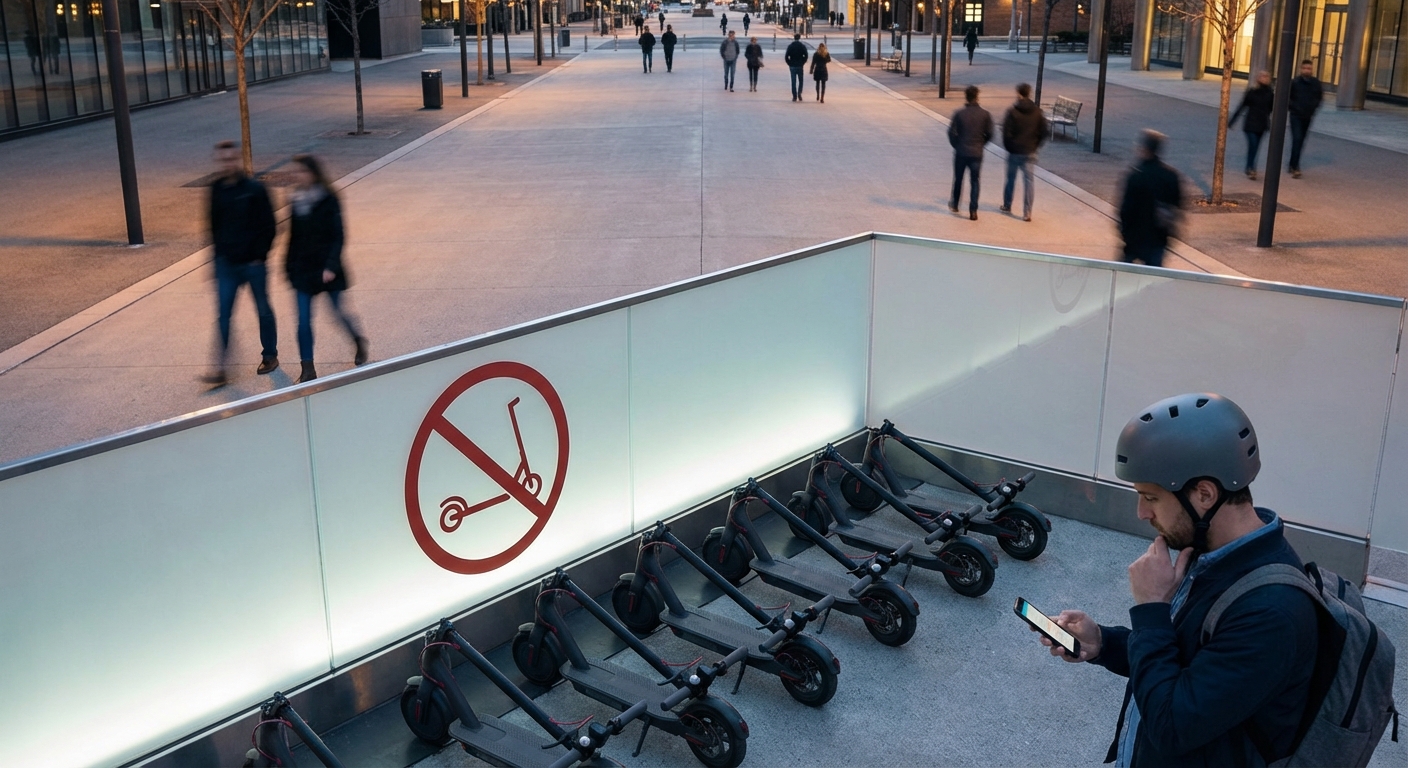
Why Major Cities Are Banning E-Scooters in 2026 and What It Means for Riders
Cities around the world are changing how they handle e-scooters, and 2026 marks a turning point. Several major metropolitan areas have announced new restrictions, partial bans, or complete prohibitions on electric scooters. If you rely on your e-scooter for daily commuting, these changes will affect where you can ride, how you can park, and whether your current model remains legal.
In 2026, cities like Paris, Barcelona, and Melbourne are implementing e-scooter bans or severe restrictions due to safety concerns, sidewalk clutter, and pedestrian accidents. Riders face new registration requirements, designated parking zones, speed governors, and in some cases, complete prohibition of privately owned scooters. Understanding your local regulations now helps you avoid fines and plan alternative transportation options.
Why cities are implementing e-scooter restrictions in 2026
The wave of bans stems from three primary issues that cities have struggled to manage since e-scooters became popular.
Pedestrian safety tops the list. Emergency room data from 2024 and 2025 showed a 40% increase in scooter-related injuries involving pedestrians. Sidewalk collisions, especially in crowded downtown areas, prompted city councils to take action.
Parking chaos created another problem. Scooters left blocking wheelchair ramps, building entrances, and bus stops generated thousands of complaints. Cities that tried voluntary parking programs saw limited compliance.
Infrastructure costs added financial pressure. Bike lanes designed for 15 mph cyclists couldn’t safely accommodate scooters traveling 20-25 mph. Cities faced expensive upgrades or increased accident liability.
Which major cities are banning e-scooters
Here’s what riders need to know about specific locations:
Paris, France implemented a complete ban on rental scooters in September 2023, and now extends restrictions to private ownership in designated zones. The city center prohibits e-scooters on streets narrower than 3 meters.
Barcelona, Spain announced a phased ban starting March 2026. Riders must register their scooters by May 1st or face confiscation. Only models with speed limiters capped at 15 mph will receive permits.
Melbourne, Australia restricts e-scooters to specific corridors. The CBD area bans them entirely during peak hours (7-9 AM and 5-7 PM). Weekend restrictions apply to beach paths and park trails.
Singapore requires all e-scooters to pass safety certification by June 2026. Non-compliant models face immediate seizure. The program includes mandatory insurance and annual inspections.
Montreal, Canada limits e-scooters to bike paths only. Sidewalk riding carries a $500 fine. Street riding outside designated lanes results in $750 penalties.
Cities implementing partial restrictions include:
- London (speed limiters mandatory)
- Tokyo (registration and license plate requirements)
- Los Angeles (geofencing in 12 neighborhoods)
- Berlin (parking permits for residential areas)
- Auckland (helmet laws with enforcement cameras)
Understanding the different types of restrictions
Not all bans work the same way. Cities use four main approaches:
Complete prohibition means no e-scooters allowed anywhere within city limits. This applies to both rental and privately owned scooters. Paris uses this model in certain arrondissements.
Conditional permits allow scooters that meet specific requirements. Barcelona’s system requires registration, insurance proof, and speed limiter installation. Riders pay an annual fee of €45.
Time and location restrictions permit scooters but limit when and where. Melbourne’s peak hour ban lets residents use scooters outside rush periods. Beach areas remain off-limits year-round.
Equipment mandates allow scooters but require modifications. Mandatory bells, lights, and governors add $100-300 to ownership costs. Some cities require professional installation with certification.
How to check if your city has new e-scooter rules
Follow these steps to stay compliant:
- Visit your city’s official transportation department website and search for “micromobility regulations” or “e-scooter rules.”
- Check the effective date of any new policies, as many cities phase in restrictions over 3-6 months.
- Verify if your scooter model appears on approved or banned lists, which cities typically publish as PDF documents.
- Contact your local city council office if information seems unclear or contradictory.
- Join local e-scooter rider groups on social media where members share real-time enforcement updates.
Most cities post regulation updates 90 days before enforcement begins. Set a calendar reminder to check monthly if you ride regularly.
What happens if you violate new e-scooter bans
Penalties vary significantly by location:
| City | First Offense | Second Offense | Third Offense | Additional Consequences |
|---|---|---|---|---|
| Barcelona | €200 fine | €400 fine | Scooter confiscation | 6-month riding ban |
| Melbourne | $300 fine | $600 fine | $1,200 fine | Court appearance required |
| Singapore | $500 fine | $1,000 fine | Criminal charge | Permanent ban possible |
| Montreal | $500 fine | $750 fine | $1,000 fine | License points (if applicable) |
| Los Angeles | $250 fine | $500 fine | Scooter impound | $150 daily storage fee |
Some cities use automated enforcement. Camera systems in London detect scooters in restricted zones and mail citations to registered owners. The technology reads license plates required on all e-scooters as of January 2026.
Confiscated scooters cost money to retrieve. Storage fees range from $50-150, plus the original fine. Cities auction unclaimed scooters after 30 days.
Alternatives for riders in cities with bans
You have several options if your city restricts e-scooters:
Electric bikes remain legal in most places that ban scooters. They offer similar speed and range. Models with pedal assist qualify for bike lane access even where throttle scooters don’t. Check out how to choose your first electric scooter for comparison insights.
Kick scooters (non-electric) avoid all restrictions. Modern adult kick scooters with large wheels cover surprising distances. They fold smaller than e-scooters for public transit combinations.
Public transit combinations work well for many commuters. Folding bikes or kick scooters handle the last-mile transportation portion while trains or buses cover longer distances.
Carpooling and ride-sharing become more economical when e-scooters aren’t viable. Apps like Waze Carpool connect commuters on similar routes.
Walking remains free and healthy. Residents often overestimate commute distances. A 2-mile trip takes 35-40 minutes on foot, competitive with e-scooters when you factor in parking and retrieval time.
How to prepare if your city announces upcoming restrictions
Take action before bans take effect:
-
Document your scooter’s specifications including model number, serial number, and purchase date. Cities sometimes grandfather existing scooters if registered before deadline dates.
-
Install required safety equipment like bells, lights, and reflectors before inspections begin. Aftermarket additions cost less than citation fines.
-
Research neighboring jurisdictions where scooters remain legal. Some riders store scooters at friends’ homes outside ban zones.
-
Calculate your commute alternatives using mapping apps. Test backup routes during the transition period while you still have options.
-
Sell while the market exists if compliance costs exceed your scooter’s value. Prices drop sharply once bans take effect and demand disappears.
Cities rarely reverse e-scooter bans once implemented. The political cost of appearing to prioritize convenience over safety makes policy changes unlikely. Plan for restrictions to become permanent.
Registration and compliance requirements explained
Cities allowing scooters with conditions typically require:
Registration programs assign unique identification numbers. You’ll receive a license plate or sticker for your scooter. Annual fees range from $25-75. Singapore’s program includes a physical inspection every 12 months.
Insurance requirements mandate liability coverage. Policies cost $80-200 annually depending on coverage limits. Some homeowner’s insurance policies include e-scooter coverage, but verify before assuming you’re protected. Learn more about e-scooter insurance options.
Speed limiters cap maximum velocity. Professional installation ensures compliance and costs $75-150. DIY limiters void warranties and may not meet certification standards.
Parking permits grant access to designated zones. Monthly fees of $10-30 are common. Some cities offer annual discounts.
Safety certifications verify your scooter meets construction standards. Testing labs charge $50-100 for inspection and documentation.
Common mistakes riders make during transition periods
Avoid these errors:
-
Assuming grace periods exist when cities announce bans. Enforcement often begins immediately despite future effective dates for certain provisions.
-
Ignoring equipment requirements because existing scooters lack mounting points. Cities expect riders to upgrade or replace non-compliant models.
-
Riding in newly restricted zones out of habit. Mental maps take time to update, but citations happen instantly.
-
Failing to register before deadlines then facing late fees or rejection. Registration systems close or cap enrollment in many cities.
-
Believing bans won’t affect private owners because initial announcements mention rental companies. Most restrictions apply equally to all e-scooters.
Technology changes coming to legal e-scooters
Manufacturers are adapting to new regulations:
Geofencing technology automatically slows or stops scooters in restricted zones. GPS systems recognize boundaries and limit speed to 5 mph or trigger complete shutdowns. This tech becomes mandatory in several cities by mid-2026.
Automatic parking detection uses sensors to verify legal parking spots. Scooters that detect sidewalk obstruction won’t allow riders to end trips, forcing proper parking before locking.
Speed governors replace software limiters with hardware restrictions. Removing them requires extensive modification that voids warranties and breaks laws.
Integrated cameras record rides for accident investigation. Privacy concerns remain, but cities view this as necessary for enforcement.
Blockchain registration creates permanent ownership records. Stolen scooter tracking improves while making illegal modifications traceable. Understanding these smart features helps you choose compliant models.
Financial impact on e-scooter owners
Budget for these costs if your city implements restrictions:
- Registration fees: $25-75 annually
- Insurance: $80-200 per year
- Speed limiter installation: $75-150 one-time
- Safety certification: $50-100 annually
- Parking permits: $120-360 annually
- Mandatory equipment upgrades: $50-200 one-time
Total first-year compliance costs range from $400-1,085. Subsequent years drop to $275-735.
Compare this to e-scooter commuting economics versus other transportation options. For many riders, costs still beat car ownership, but margins narrow considerably.
Some riders find compliance exceeds their scooter’s resale value. A $400 budget scooter requiring $500 in upgrades makes little financial sense.
How enforcement actually works in practice
Cities use multiple detection methods:
Patrol officers issue citations during routine patrols. Downtown areas see higher enforcement than residential neighborhoods. Peak enforcement occurs during morning and evening commutes.
Automated systems detect scooters through camera networks. London’s system achieved 85% accuracy in pilot testing. False positives occasionally flag bicycles or motorcycles.
Citizen reports through city apps let residents photograph violations. Some cities pay small bounties for reports leading to citations.
Spot checks at popular destinations catch multiple violators. Parks, transit stations, and entertainment districts see regular enforcement sweeps.
Registration database audits identify unregistered scooters. Cities cross-reference visible scooters against permit holders in specific areas.
Regional differences in how bans are structured
European cities favor complete prohibition or strict permitting. Asian cities emphasize technology solutions like geofencing. North American cities mix approaches with heavy parking restrictions.
Australia focuses on time-based limitations. New Zealand implements insurance requirements without registration mandates.
Understanding state-by-state rules helps if you travel between jurisdictions frequently. Rules change dramatically across borders.
What riders can do to influence policy
Individual action matters less than organized advocacy:
- Attend city council meetings when e-scooter regulations appear on agendas
- Join local micromobility advocacy groups that lobby for reasonable policies
- Submit written comments during public feedback periods (cities legally must consider them)
- Vote for candidates who support alternative transportation
- Document responsible riding to counter negative stereotypes
Cities respond to organized pressure more than individual complaints. Coalition building works better than solo efforts.
Future outlook for e-scooter regulations
Expect restrictions to increase, not decrease. Cities that haven’t announced bans are watching implementation elsewhere. Successful enforcement in major metros encourages smaller cities to follow.
Technology requirements will standardize. Industry groups are developing universal safety standards that cities will likely adopt. This could reduce compliance costs as manufacturers build to common specifications.
Insurance requirements will expand. As accident data accumulates, cities face liability pressure that mandates coverage. Expect this trend to accelerate.
Some cities may create licensed rider programs similar to driver’s licenses. Training requirements and testing could become prerequisites for legal riding.
Making the transition smoother
Start preparing now even if your city hasn’t announced restrictions:
Keep documentation organized. Store purchase receipts, registration confirmations, and insurance policies in one digital folder.
Budget for compliance costs. Set aside $50 monthly if you expect new requirements within six months.
Test alternative commutes. Try different routes and transportation modes before you’re forced to switch.
Stay informed through official channels. Social media rumors often spread faster than facts. Verify information through city websites.
Consider upgrading to a compliant model if your current scooter won’t meet likely requirements. Resale values drop sharply after bans take effect.
Connect with other riders. Local groups share real-time updates about enforcement patterns and compliance tips. Understanding what first-time riders should know helps you navigate changing regulations.
Adapting your commute to new realities
The regulatory landscape for e-scooters continues shifting as cities balance innovation with safety. While bans and restrictions create challenges, riders who stay informed and adapt early face fewer disruptions. Check your local regulations monthly, budget for compliance costs, and have backup transportation plans ready. The cities implementing these changes believe they’re making streets safer for everyone. Whether you agree or not, understanding the rules keeps you riding legally and helps you plan for whatever comes next in your area.
