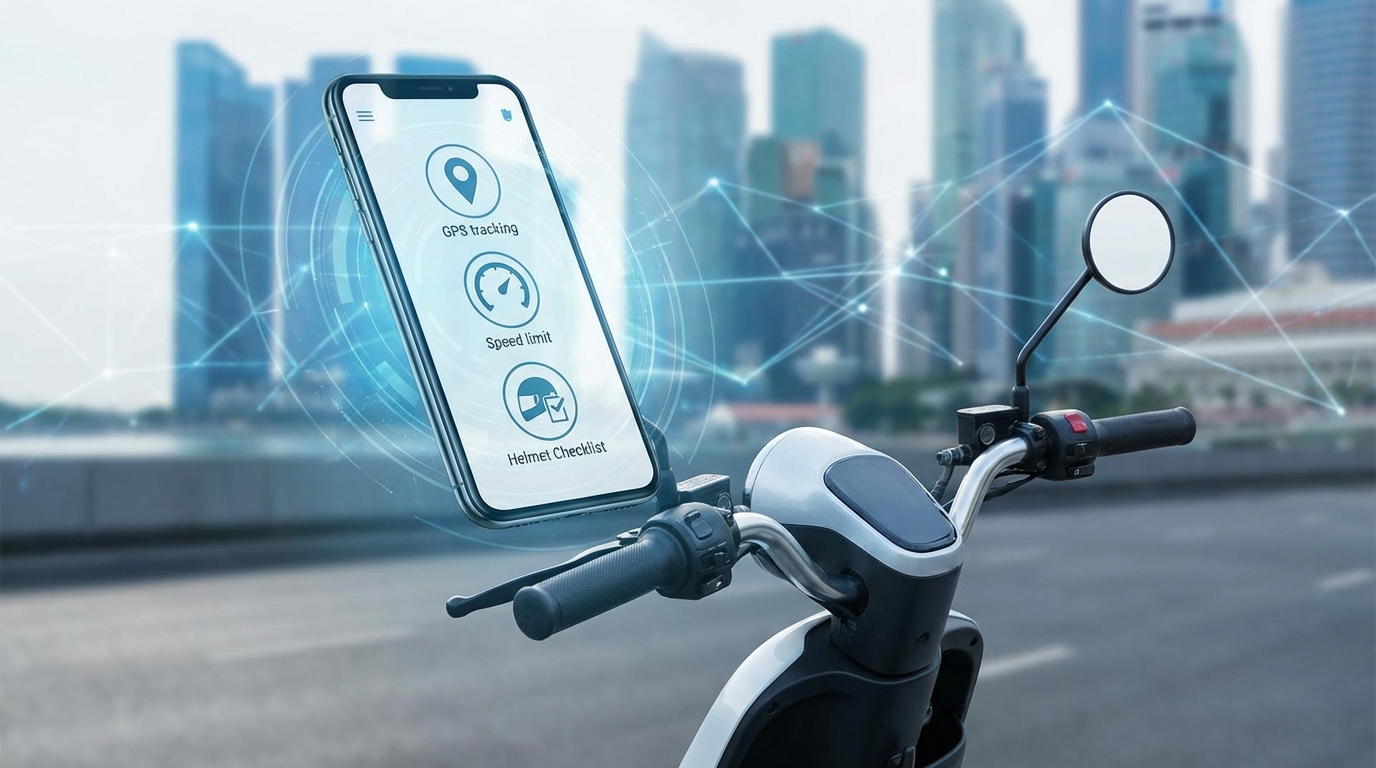
Do Smartphone Apps Really Make E-Scooters Safer? A Deep Dive Into Connected Features
You’re standing in a showroom, comparing two nearly identical e-scooters. One connects to your phone. The other doesn’t. The salesperson swears the app-connected model is safer. But is that actually true, or just clever marketing?
Smartphone apps do make e-scooters safer, but not in the ways most people expect. Real-time diagnostics, maintenance alerts, and speed limiting features provide measurable safety benefits. GPS tracking helps recover stolen scooters and can alert emergency contacts after crashes. However, features like ride statistics and social sharing offer minimal safety value. The effectiveness depends entirely on how riders actually use these tools in daily commuting situations.
Real safety features that actually protect riders
Let’s cut through the marketing noise and focus on what works.
Anti-theft GPS tracking does more than recover stolen scooters. Modern apps can detect unusual movement patterns when you’re not riding. Some systems send alerts if your scooter moves while parked. A few even contact emergency services if the accelerometer detects a crash pattern.
Battery management systems prevent fires and extend lifespan. Your app monitors cell voltage, temperature, and charge cycles. When something looks wrong, you get a warning before a problem becomes dangerous.
Speed limiting isn’t just for rental scooters anymore. Private owners can set maximum speeds for different riders. Parents love this feature. So do people lending their scooter to less experienced friends.
Brake monitoring tells you when pads wear thin. Electronic brake systems report their condition through the app. Mechanical brakes need visual inspection, but the app can remind you based on mileage.
Tire pressure alerts prevent blowouts. Some premium models include pressure sensors. Others estimate based on power consumption and ride quality. Either way, you know before a soft tire causes a crash.
Setting up your e-scooter app for maximum safety
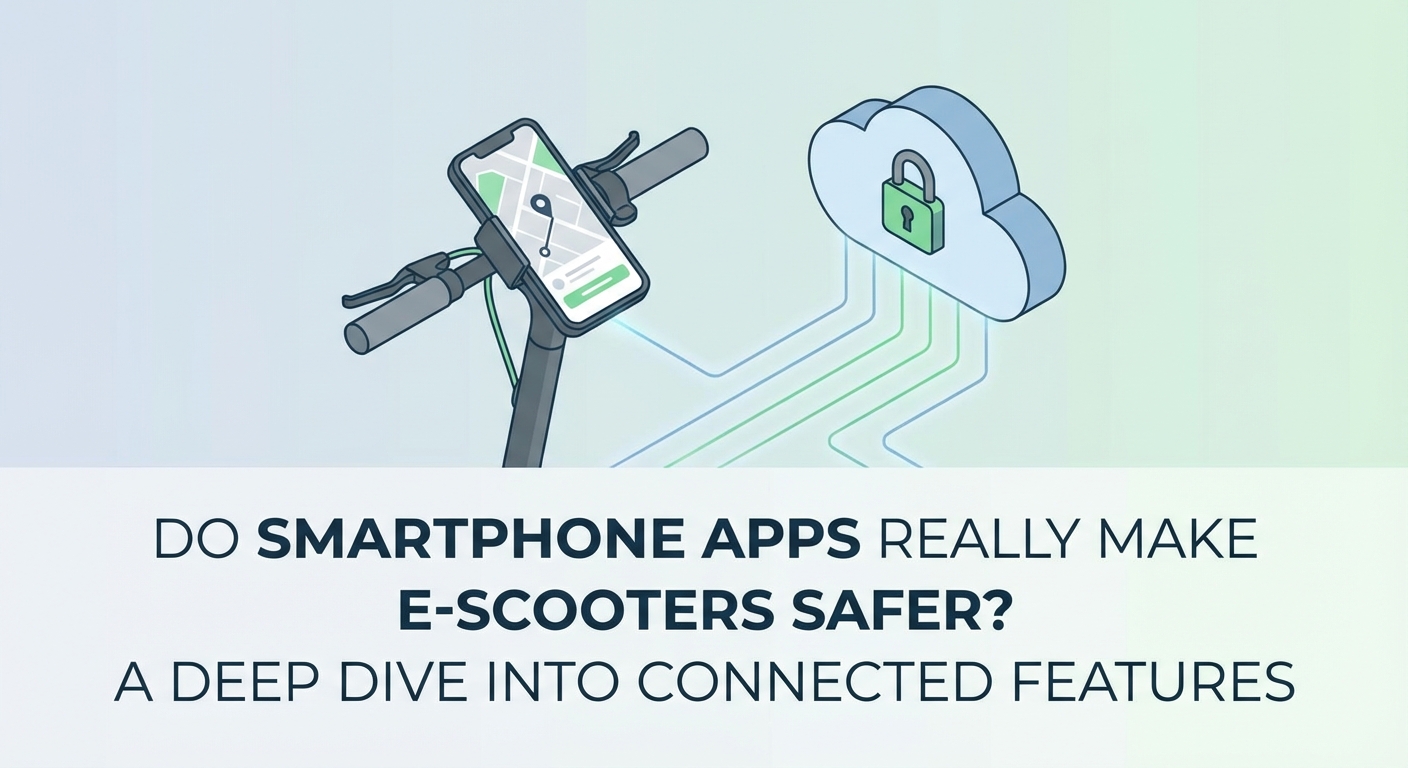
Getting the most protection requires proper configuration.
- Enable all diagnostic notifications during your first week of ownership
- Adjust notification sensitivity based on which alerts matter for your riding style
- Set up emergency contacts with location sharing permissions
- Configure speed limits appropriate for different environments
- Schedule maintenance reminders based on manufacturer recommendations
- Activate anti-theft features and test them in a safe environment
Most riders skip these steps. They pair the scooter, glance at the battery level, and never open the app again. That’s like buying a car with advanced safety features and never turning them on.
Start with everything enabled. You’ll get annoying notifications at first. That’s fine. After a week, you’ll understand which alerts matter for your situation. A commuter riding smooth bike lanes needs different warnings than someone navigating rough city streets.
Which app features sound helpful but aren’t
Not every connected feature improves safety. Some are pure marketing.
Ride statistics look impressive on your phone screen. Distance traveled, top speed, average speed, calories burned. None of this prevents accidents. Worse, checking these stats while riding creates distraction.
Social features and leaderboards encourage risky behavior. Competing for the longest ride or highest speed works against safety. Skip these entirely if you care about arriving in one piece.
Customizable LED patterns waste battery and attention. Your scooter doesn’t need to match your phone’s color scheme. Save the power for actual riding.
Firmware updates deserve special mention. They can improve safety, but only if installed correctly. Never update firmware right before an important ride. Always read the changelog. Some updates change handling characteristics that take time to adjust to.
| Feature Type | Safety Impact | Why It Matters |
|---|---|---|
| Real-time diagnostics | High | Prevents mechanical failures before they cause crashes |
| Speed limiting | High | Reduces accident severity and helps new riders learn safely |
| GPS tracking | Medium | Aids recovery and emergency response but doesn’t prevent crashes |
| Maintenance alerts | Medium | Keeps scooter in safe condition if you follow through |
| Ride statistics | Low | Informational only, can distract from actual riding |
| Social features | Negative | Encourages competition and risky behavior |
Common mistakes that reduce app safety benefits
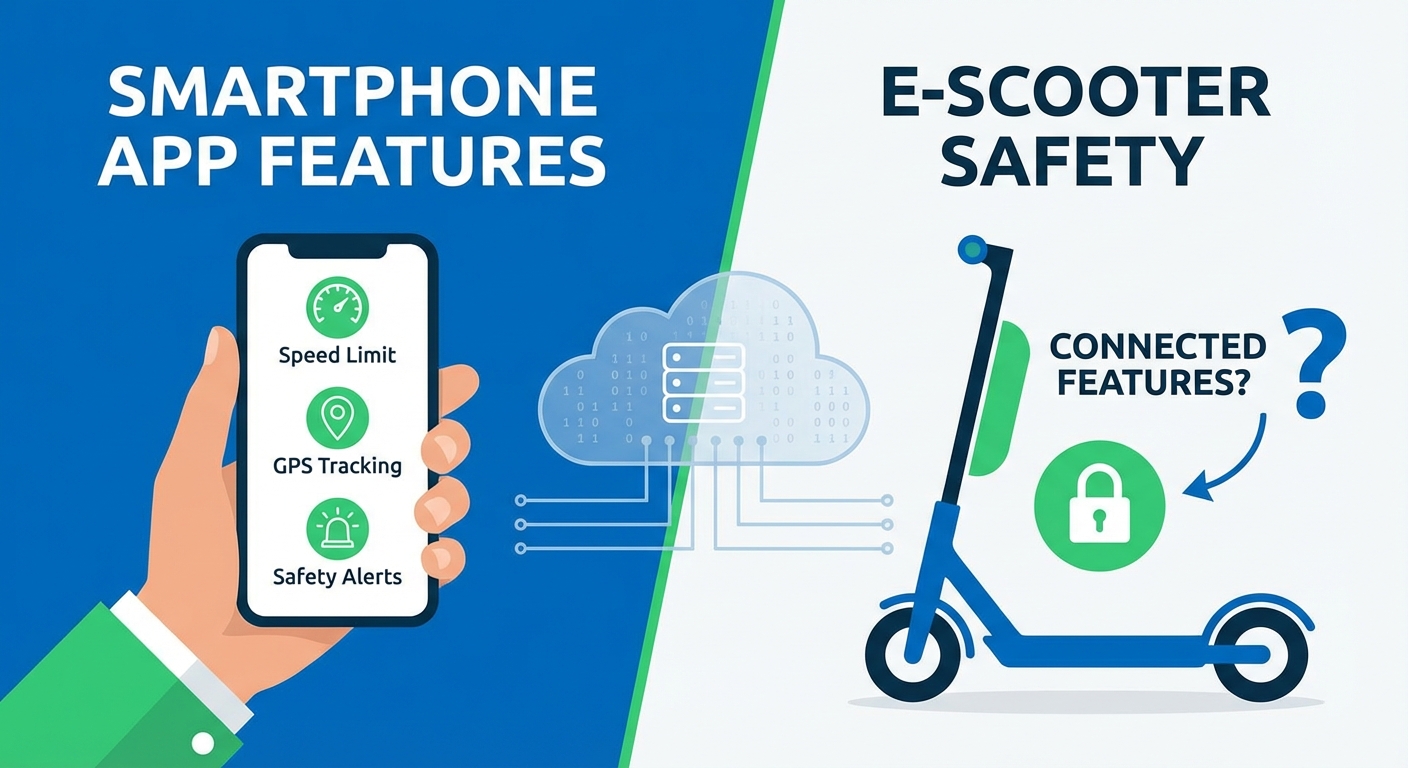
Even good features fail when used incorrectly.
Ignoring low-priority alerts trains you to ignore all alerts. That diagnostic warning about brake wear? It seems unimportant until your brakes fail halfway down a hill. Check every notification, then decide if it needs immediate action.
Disabling location services defeats multiple safety features. Yes, it saves battery. It also prevents crash detection, theft alerts, and emergency contact notifications. The battery trade-off isn’t worth it.
Never updating the app creates security vulnerabilities. Outdated apps can’t communicate properly with newer firmware. They also lack bug fixes that prevent crashes and data loss.
Sharing your account with multiple riders without individual profiles messes up maintenance schedules. The app thinks one person rode 50 miles this week. Actually, five people each rode 10 miles. Maintenance intervals become meaningless.
Relying entirely on the app for pre-ride checks is dangerous. Apps can’t see everything. They don’t know if your tire has a nail in it or if your headlight lens is cracked. Physical inspection still matters, as covered in pre-ride inspection checklists.
How diagnostic features catch problems early
Modern e-scooter apps monitor dozens of parameters constantly.
Motor temperature tracking prevents overheating damage. Push your scooter hard up a long hill, and the motor heats up. Normal. But if it stays hot during flat riding, something’s wrong. The app notices patterns you’d miss.
Voltage monitoring across battery cells identifies failing batteries weeks before they die completely. One weak cell drags down the whole pack. Early warning lets you plan a replacement instead of getting stranded.
Controller error codes translate into plain language. “Error 07” means nothing to most riders. “Throttle signal inconsistent, reduce speed and service soon” tells you exactly what to do.
Brake sensor feedback confirms both brakes work before each ride. Electronic systems self-test. The app reports results. If a brake sensor fails, you know before you need it.
The most valuable safety feature in any e-scooter app is the one that stops you from riding when something’s actually wrong. A forced speed limit after detecting brake wear has prevented more injuries than any amount of ride statistics or social features ever will.
Speed control features that adapt to conditions
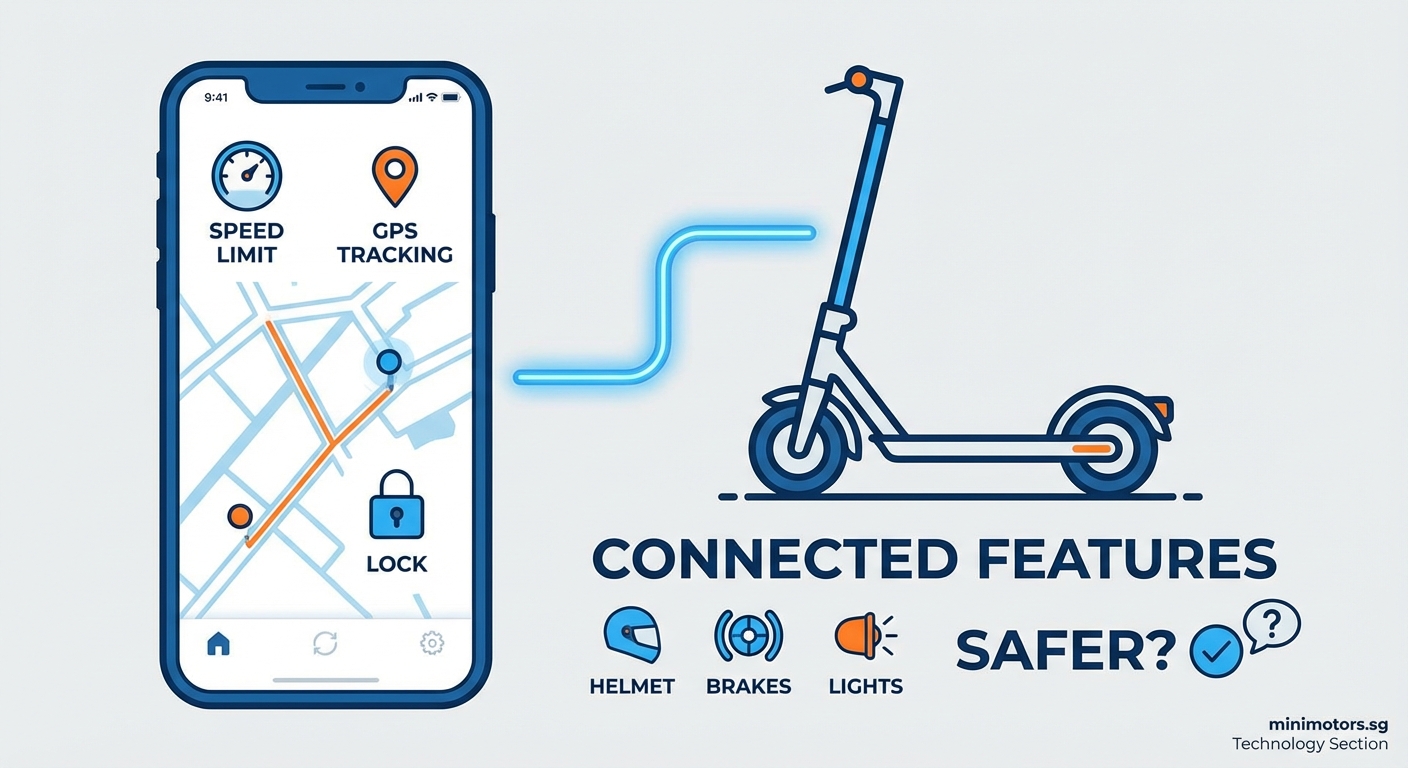
Smart speed limiting goes beyond a simple maximum.
Geofencing automatically reduces speed in designated areas. School zones, crowded downtown areas, and pedestrian paths can trigger automatic slowdowns. You can override it, but the default keeps you legal and safer.
Weather-based adjustments account for rain and wind. Some apps connect to weather services and suggest speed reductions when conditions deteriorate. Paired with proper rain riding techniques, this prevents most weather-related crashes.
Learning mode gradually increases available power as new riders gain experience. Start at 60% power for the first few rides. Bump it up as confidence builds. Much safer than giving a beginner full power immediately.
Customizable acceleration curves prevent jerky starts that throw riders off balance. Smooth power delivery feels slower but actually improves safety and efficiency.
Maintenance tracking that prevents failures
Apps excel at remembering what you forget.
Mileage-based service intervals work like your car’s oil change reminder. Hit 500 miles? Time to check brake pads. Reach 1,000 miles? Inspect tires and tighten bolts. The app tracks this automatically, as detailed in maintenance interval guides.
Component lifespan estimates predict when parts will fail. Brake pads typically last 800 to 1,200 miles depending on riding style. The app learns your pattern and warns you at the right time.
Service history logs prove valuable for warranty claims and resale. Document every maintenance task through the app. Future buyers appreciate detailed records.
Parts replacement reminders ensure you don’t forget critical consumables. Tires, brake pads, and bearings wear out. Apps remind you before they fail catastrophically.
Emergency features that matter in crashes
The best safety features activate when everything else fails.
Automatic crash detection uses accelerometer data to identify sudden impacts. The algorithm distinguishes between normal bumps and actual crashes. When it detects a real accident, it can alert emergency contacts with your location.
Emergency contact notification happens automatically after a detected crash. Your designated contacts receive a text with GPS coordinates and a note that you may need help. False positives happen occasionally, but most riders prefer that to no notification during a real emergency.
Medical information storage puts critical health data in rescuers’ hands. Allergies, medications, emergency contacts, and blood type can be accessed from the lock screen on some systems.
Location sharing during rides lets trusted contacts track your commute. Useful for parents monitoring teen riders or partners checking on late arrivals.
Privacy concerns with connected scooters
All these features require data collection. That raises legitimate questions.
Location history shows everywhere you’ve ridden. Manufacturers claim they anonymize this data. Read the privacy policy carefully. Some companies sell aggregated movement data to urban planners and marketers.
Riding behavior analysis reveals more than you think. Acceleration patterns, braking habits, and route choices create a detailed profile. This data can improve safety features, but it can also be monetized.
Account security protects your scooter and your data. Use strong passwords. Enable two-factor authentication if available. A compromised account lets someone track your location and potentially disable anti-theft features.
Data retention policies vary wildly between manufacturers. Some delete ride data after 30 days. Others keep it indefinitely. Check before you buy, especially if privacy matters to you.
Comparing app ecosystems across brands
Not all e-scooter apps offer the same features.
Premium brands typically offer comprehensive safety features. Real-time diagnostics, detailed maintenance tracking, and advanced theft protection come standard. You pay more upfront but get better long-term safety.
Budget models often have basic apps with limited functionality. Battery level and speed display might be all you get. Safety features like diagnostic alerts and maintenance reminders may not exist.
Third-party apps sometimes work with multiple scooter brands. They can’t access proprietary diagnostic data, but they can track rides, plan routes, and provide basic maintenance reminders. Better than nothing for budget scooters without good native apps.
Open-source firmware communities have created alternative apps for some popular models. These often add features manufacturers didn’t include. They also void warranties and require technical knowledge to install safely.
Real-world safety improvements from app features
Data from shared scooter fleets provides concrete evidence.
Maintenance alerts reduced mechanical failures by 40% in one major fleet study. Riders who responded to app warnings about brake wear or tire pressure had significantly fewer accidents than those who ignored them.
Speed limiting in high-risk areas decreased accident rates by 25% in several cities. Automatic slowdowns near schools and in pedestrian zones prevented crashes without significantly impacting trip times.
Theft recovery rates improved from 5% to 60% after GPS tracking became standard. Stolen scooters get recovered faster, reducing the incentive to steal them in the first place.
Firmware updates patched safety issues in real time. One manufacturer discovered a braking algorithm error that could cause wheel lockup under specific conditions. They pushed a fix to every connected scooter within 48 hours. Pre-smartphone scooters would have required physical recalls.
Making the most of safety features you already have
You probably own a connected scooter already. Are you using it safely?
Review your app settings tonight. Enable any safety features you’ve disabled. Set up emergency contacts if you haven’t already. Configure maintenance reminders based on your actual riding frequency.
Test crash detection in a controlled environment. Deliberately trigger it by tapping the scooter sharply while stationary. Verify that alerts actually reach your emergency contacts. Better to discover problems now than during a real emergency.
Create a pre-ride routine that includes an app check. Glance at battery health, not just charge level. Look for any diagnostic warnings. Confirm GPS is active if you use theft protection.
Schedule regular app reviews every few months. New features get added through updates. Safety improvements you didn’t have last year might be available now. Spend 10 minutes exploring the settings menu quarterly.
Safety features worth paying extra for
If you’re buying a new scooter, certain app features justify higher prices.
Real-time component monitoring provides the best safety return on investment. Knowing your brakes are wearing thin or your battery is developing problems before they cause failures prevents most mechanical accidents.
Comprehensive theft protection combines GPS tracking, motion alerts, and remote locking. Losing a $1,500 scooter hurts. Paying an extra $200 for features that make recovery likely makes financial sense.
Weather integration and condition-based speed recommendations help less experienced riders make better decisions. New commuters don’t always recognize when conditions are too dangerous for their skill level.
Detailed maintenance tracking with parts lifespan predictions prevents expensive repairs. Catching a bearing problem early costs $30. Ignoring it until the motor fails costs $400. The app pays for itself by preventing one major failure.
When apps can’t replace good judgment
Technology has limits. Apps can’t fix rider error.
No app prevents distracted riding. Checking your phone while moving remains the leading cause of single-rider crashes. All the safety features in the world don’t help if you’re staring at your screen instead of the road.
Apps can’t teach you proper braking techniques for emergencies. They can remind you to check your brakes, but they can’t practice threshold braking for you.
Weather warnings don’t replace experience. The app can tell you it’s raining. It can’t teach you how wet pavement changes traction and braking distance. That comes from practice and, ideally, proper instruction.
Maintenance reminders fail if you ignore them. The app can notify you 50 times that your brake pads need replacement. If you keep riding anyway, the technology didn’t make you safer.
Putting connected safety features to work
Smartphone apps genuinely improve e-scooter safety when used correctly.
The technology works. Real-time diagnostics catch problems early. Maintenance reminders prevent failures. GPS tracking aids recovery and emergency response. Speed limiting reduces accident severity.
But the apps only help if you actually use the features. Enable notifications. Respond to warnings. Check the app before every ride. Update firmware when prompted. Set up emergency contacts properly.
Think of the app as a co-pilot, not an autopilot. It provides information and warnings. You still make the decisions and take the actions that keep you safe. The combination of smart technology and attentive riding creates the safest possible experience.
Start tonight. Open your scooter’s app. Enable one safety feature you’ve been ignoring. Set up one maintenance reminder. Add one emergency contact. Small steps toward using the technology you already own will make your next hundred rides safer than your last hundred.
