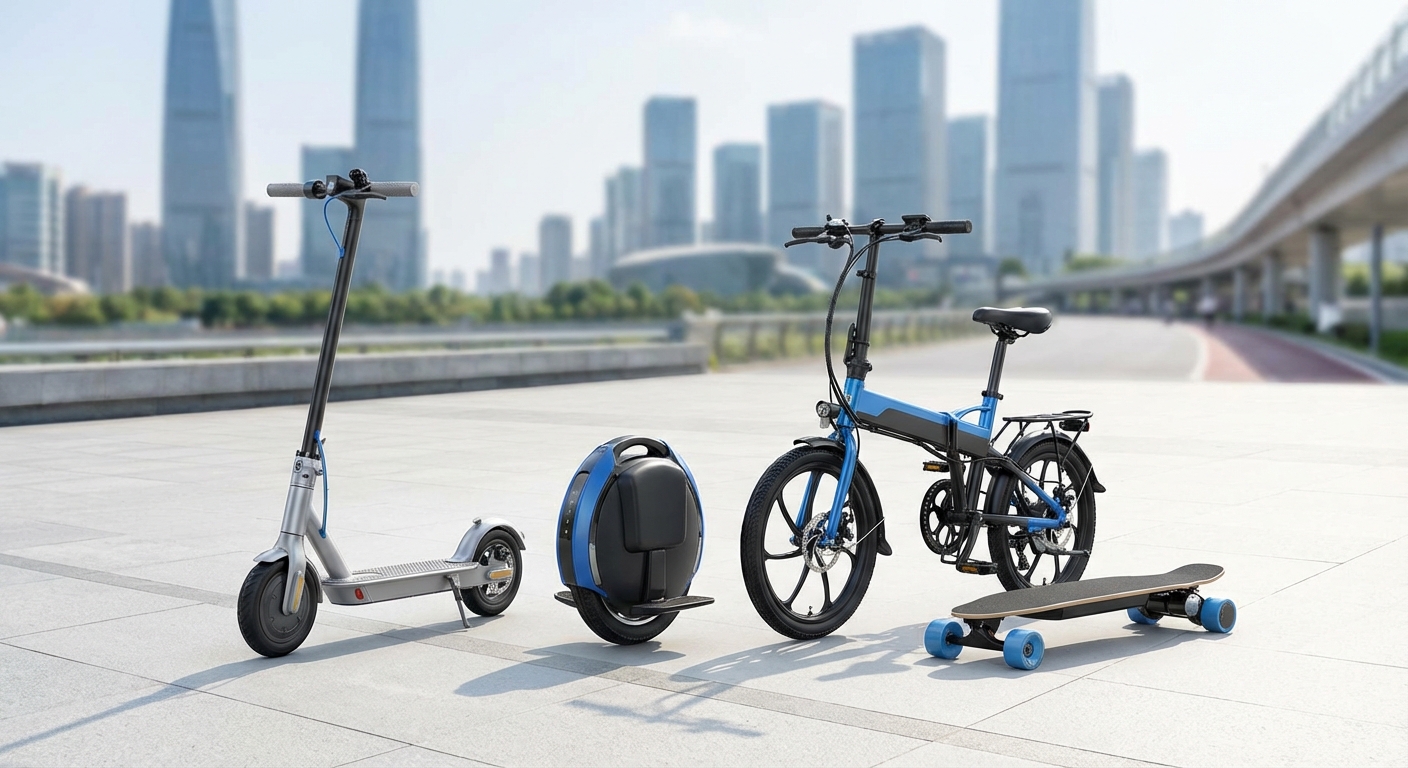
The Complete Guide to Last-Mile Transportation Solutions
Last mile delivery represents the most expensive and complex segment of the supply chain. For logistics coordinators managing urban routes or e-commerce operations scaling fulfillment, this final leg often consumes 53% of total shipping costs while determining whether customers return or abandon your brand forever.
Last mile delivery connects warehouses to doorsteps through optimized routing, micro-mobility solutions, and real-time tracking technology. Success requires balancing speed, cost efficiency, and customer experience while adapting to urban infrastructure challenges. This guide covers vehicle selection, route optimization, technology integration, and emerging delivery models that reduce costs by up to 40% while improving delivery windows.
Understanding last mile delivery fundamentals
The term “last mile” describes the movement of goods from a transportation hub to the final delivery destination.
This segment carries disproportionate weight in customer satisfaction metrics. A package might travel 2,000 miles flawlessly, but a single missed delivery window erases all that operational excellence.
Urban density creates unique challenges. Traffic congestion, limited parking, restricted vehicle access zones, and narrow delivery windows compress the available time for each stop. Rural routes face opposite problems with vast distances between delivery points and minimal infrastructure support.
The cost structure tells the story. While long-haul transportation benefits from economies of scale, last mile delivery requires individual attention to each package. Labor costs, fuel consumption, vehicle maintenance, and failed delivery attempts compound rapidly.
Traditional delivery vans work well for suburban routes with ample parking and predictable traffic patterns. Dense urban cores demand different solutions. Electric cargo bikes, scooters, and walking couriers navigate congested streets more efficiently than full-size vehicles.
Core components of efficient last mile operations
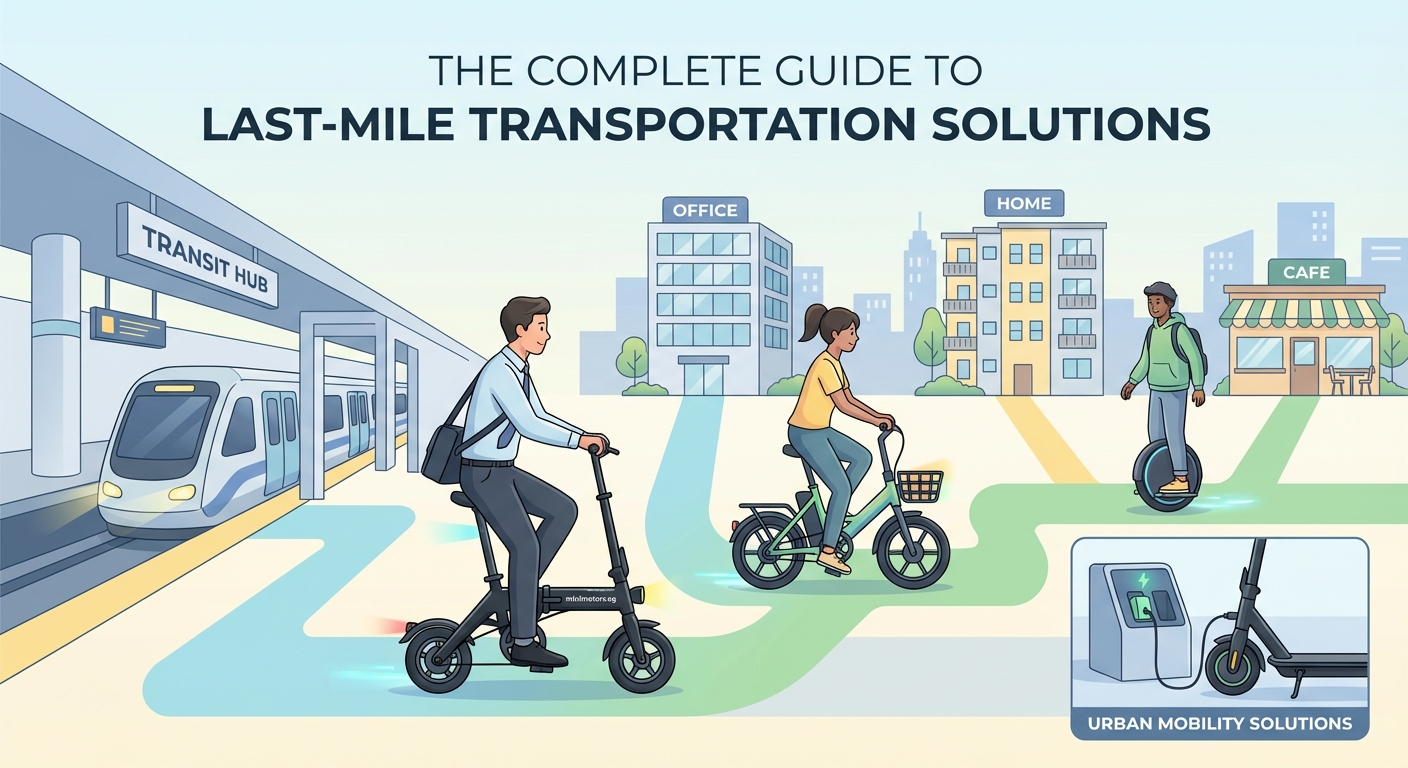
Building a functional last mile system requires several interconnected elements working in harmony.
Route optimization software forms the foundation. Modern platforms calculate optimal delivery sequences based on real-time traffic data, delivery time windows, vehicle capacity, and driver schedules. The difference between manual routing and algorithmic optimization often represents 20-30% efficiency gains.
Fleet composition directly impacts operational costs and delivery capabilities. A mixed fleet approach provides flexibility. Standard vans handle suburban routes and bulk deliveries. Smaller vehicles like e-scooters for commercial use excel in congested urban zones where parking and maneuverability matter more than cargo volume.
Communication systems keep all parties informed. Drivers need clear instructions and package details. Customers require accurate delivery windows and real-time tracking. Dispatchers must monitor progress and respond to exceptions.
Warehouse location strategy reduces travel distance. Micro-fulfillment centers positioned near high-density delivery zones cut the actual “last mile” to a few blocks rather than several miles.
The most successful last mile operations treat delivery as a customer experience problem rather than purely a logistics challenge. Every touchpoint matters.
Technology platforms transforming delivery operations
Modern last mile delivery depends on integrated technology stacks that previous generations of logistics managers never imagined.
GPS tracking has evolved beyond simple location monitoring. Current systems analyze driver behavior, predict arrival times with machine learning algorithms, and automatically reroute based on traffic conditions or new priority deliveries.
Mobile applications give drivers complete package information, optimized routes, and digital proof of delivery capture. Customers receive notifications at each stage: out for delivery, approaching your location, delivered.
IoT sensors embedded in delivery vehicles and packages provide temperature monitoring for sensitive goods, shock detection for fragile items, and security alerts for high-value shipments. This data feeds back into quality control systems and helps identify problem areas in the delivery network.
Automated dispatching systems assign packages to drivers based on location, vehicle capacity, delivery windows, and historical performance data. What once required experienced dispatchers making judgment calls now happens in milliseconds.
Predictive analytics identify patterns that humans miss. Which neighborhoods generate the most failed deliveries? What time windows produce the highest success rates? How does weather impact delivery times on specific routes?
Vehicle selection for different delivery scenarios
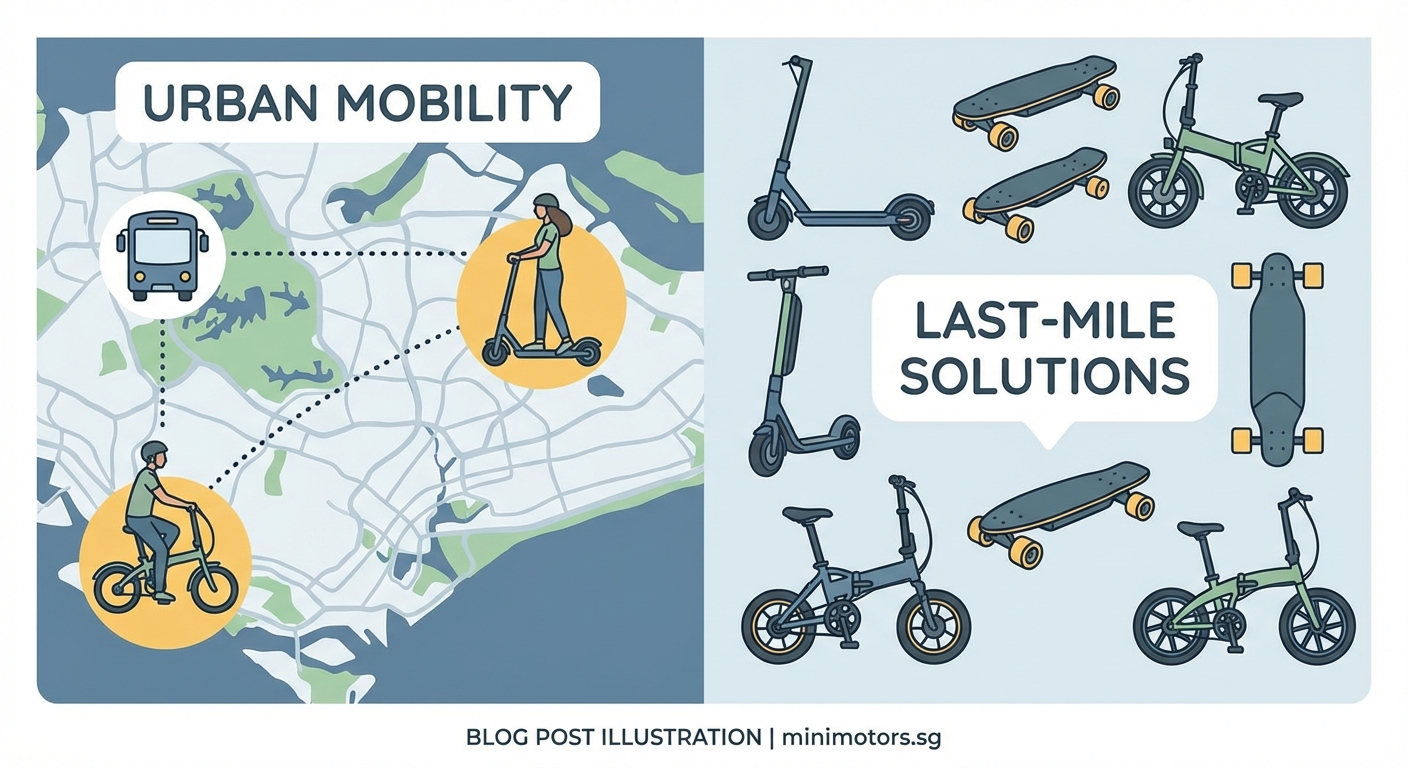
Choosing the right vehicle for each route type maximizes efficiency and minimizes costs.
Traditional delivery vans remain the workhorse for suburban and rural routes. They offer weather protection, security, substantial cargo capacity, and familiar operating characteristics. Fuel costs and parking challenges represent their main drawbacks in urban settings.
Electric cargo bikes have emerged as serious commercial tools rather than novelties. They carry surprising loads (up to 200 kg on some models), navigate bike lanes and pedestrian zones, require no parking space, and operate at minimal cost per mile. Weather protection remains limited, restricting their use during heavy rain or extreme temperatures.
Electric scooters fill a niche for lightweight, time-sensitive deliveries in dense urban areas. A courier on a scooter can complete 15-20 deliveries per hour in a congested downtown area where a van might manage 6-8. Understanding the range capabilities helps determine if battery capacity matches route requirements.
Cargo vans with electric powertrains combine the capacity advantages of traditional vans with lower operating costs and access to restricted zones in cities implementing clean air regulations.
Walking couriers work best for hyper-local deliveries within a few blocks. They cost less than any vehicle option and create zero emissions, but obviously cover limited territory.
Step-by-step implementation process
Launching or improving a last mile delivery operation follows a logical sequence.
-
Analyze your current delivery data to identify patterns, costs, and problem areas. Calculate cost per delivery, success rates, customer complaints, and time spent per stop. This baseline reveals where improvements will generate the most impact.
-
Map your delivery zones with attention to density, traffic patterns, parking availability, and access restrictions. Different zones require different strategies. A single approach rarely works across varied geography.
-
Select appropriate vehicles for each zone type based on cargo volume, delivery frequency, infrastructure, and cost constraints. Most operations benefit from mixed fleets rather than standardizing on one vehicle type.
-
Implement route optimization software and train dispatchers and drivers on the new system. Expect a learning curve. Early results often disappoint until everyone adapts to the new workflow.
-
Establish clear communication protocols for exceptions. No system handles every situation automatically. Drivers need to know when to contact dispatch, and dispatchers need clear escalation paths.
-
Monitor performance metrics daily and adjust strategies based on results. What works in theory sometimes fails in practice. Stay flexible and iterate based on real-world feedback.
-
Gather customer feedback through surveys and complaint analysis. The delivery experience shapes brand perception more than most other customer touchpoints.
Common mistakes that increase costs and reduce efficiency
Even experienced logistics teams fall into predictable traps when designing last mile operations.
| Mistake | Impact | Solution |
|---|---|---|
| Oversizing vehicles for urban routes | Wasted fuel, parking difficulties, slower delivery times | Match vehicle size to actual cargo needs and infrastructure |
| Ignoring delivery time windows | Failed deliveries, redelivery costs, customer frustration | Coordinate with customers, offer flexible windows |
| Manual route planning | Suboptimal sequences, wasted miles, inconsistent performance | Implement algorithmic route optimization |
| Inadequate driver training | Damaged packages, poor customer interactions, safety incidents | Structured onboarding and ongoing skill development |
| No contingency planning | Service failures during peak periods or unexpected events | Build excess capacity and backup systems |
| Treating all deliveries identically | Inefficient resource allocation | Segment by urgency, value, and special requirements |
The redelivery problem deserves special attention. Every failed delivery attempt doubles the cost for that package while frustrating customers. Accurate delivery windows, real-time notifications, and flexible delivery options (lockers, pickup points, neighbor acceptance) dramatically reduce failed attempts.
Emerging delivery models reshaping the industry
Innovation in last mile delivery continues accelerating as companies seek competitive advantages.
Crowdsourced delivery leverages gig economy workers using their own vehicles. This model provides extreme flexibility and minimal fixed costs but sacrifices control over quality and consistency. It works well for non-critical deliveries and peak period overflow.
Autonomous delivery robots have moved from concept to commercial deployment in some cities. These sidewalk-traveling robots handle lightweight packages within limited geographic areas. Current technology restricts them to good weather and well-mapped neighborhoods, but capabilities expand continuously.
Locker networks reduce the cost and complexity of individual home deliveries. Customers pick up packages at convenient locations on their own schedules. This approach works particularly well for apartment buildings and commercial districts.
Scheduled delivery windows let customers choose specific time slots, sometimes for a premium fee. This reduces failed deliveries and allows more efficient route planning since drivers know someone will be home.
Micro-fulfillment centers position inventory closer to end customers, sometimes within the same neighborhood. This strategy cuts delivery distance and time but requires distributed inventory management and smaller facility operations.
Integration with broader supply chain systems
Last mile delivery doesn’t exist in isolation. It connects directly to warehouse operations, inventory management, and customer service systems.
Real-time inventory visibility prevents disappointing customers with delivery promises for out-of-stock items. When the last mile system can see actual warehouse inventory, it makes realistic commitments about delivery timing.
Order management systems feed delivery requirements to route optimization platforms. Package dimensions, weight, special handling needs, and delivery windows all influence vehicle assignment and route sequencing.
Customer relationship management tools track delivery history, preferences, and past issues. This information helps anticipate problems and personalize the delivery experience. If a customer consistently has packages stolen from their porch, the system can flag their address for signature requirements.
Returns management represents reverse logistics that often proves even more challenging than forward delivery. Efficient last mile operations plan for returns from the start, with clear processes for drivers to collect packages and systems to track returned items back into inventory.
Sustainability considerations in delivery operations
Environmental impact increasingly influences last mile strategy decisions, driven by regulation, customer preferences, and cost reduction opportunities.
Electric vehicles eliminate local emissions and reduce fuel costs. The total cost of ownership for electric delivery vehicles now competes favorably with traditional options in many scenarios, especially for predictable urban routes where range anxiety doesn’t apply.
Route optimization reduces miles driven, which cuts both costs and emissions regardless of vehicle type. A 20% reduction in miles driven translates directly to 20% less fuel consumption and emissions.
Consolidated deliveries combine multiple packages going to the same area into single trips. This requires coordination across shippers or acceptance of slightly longer delivery windows, but dramatically improves efficiency.
Micro-mobility solutions like cargo bikes produce minimal environmental impact while often delivering faster than traditional vehicles in congested areas. The sustainability benefits align with operational advantages.
Packaging optimization reduces waste and allows more packages per vehicle. Right-sizing boxes and eliminating unnecessary materials cuts both shipping costs and environmental impact.
Measuring and optimizing performance
You can’t improve what you don’t measure. Effective last mile operations track specific metrics and use that data to drive continuous improvement.
Cost per delivery represents the fundamental efficiency metric. Calculate total operational costs divided by successful deliveries. Track this over time and compare across different route types and vehicle options.
On-time delivery rate measures reliability from the customer perspective. Define “on-time” clearly (within promised window, not just same-day) and track it rigorously.
First-attempt delivery success rate reveals how often drivers complete deliveries without requiring return visits. Low rates indicate problems with delivery windows, address accuracy, or customer communication.
Packages delivered per hour shows driver productivity. Compare across routes and vehicle types to identify best practices and problem areas.
Customer satisfaction scores capture the experience beyond just successful delivery. Survey customers regularly about communication, driver professionalism, package condition, and overall experience.
Vehicle utilization rates indicate whether fleet size matches demand. Vehicles sitting idle represent wasted capital, while constant overutilization suggests insufficient capacity.
Handling peak demand periods
Holiday seasons, promotional events, and unexpected demand spikes test last mile operations in ways that normal periods don’t reveal.
Advance planning starts months before peak season. Analyze historical patterns to predict volume increases. Secure temporary vehicles and recruit seasonal drivers well ahead of need. Logistics labor markets tighten during peaks, making last-minute hiring difficult and expensive.
Flexible capacity options provide safety valves when demand exceeds internal capabilities. Relationships with crowdsourced delivery platforms, regional carriers, and temporary staffing agencies let you scale up without permanent overhead increases.
Customer communication becomes even more critical during peaks. Set realistic expectations about delivery timing. Most customers accept slightly longer windows during known busy periods if you communicate clearly upfront.
Simplified operations reduce complexity when systems strain under volume. Temporarily limiting delivery window options, consolidating pickup locations, or prioritizing certain delivery types helps maintain quality when perfect execution of every service tier becomes impossible.
Regulatory compliance and safety requirements
Last mile delivery operates within a complex web of regulations that vary by location and vehicle type.
Commercial vehicle licensing requirements differ between jurisdictions. Some cities require special permits for delivery vehicles, particularly in restricted zones. Understand local rules before deploying vehicles.
Vehicle registration and insurance requirements vary significantly. Commercial delivery operations typically need higher coverage limits than personal use. Verify that your insurance adequately covers your specific operation type and vehicle mix.
Driver qualification standards ensure safety and professionalism. Background checks, driving record reviews, and proper licensing protect your business from liability while ensuring quality service.
Data privacy regulations govern how you collect, store, and use customer information. Delivery operations gather substantial personal data through tracking systems and customer communications. Compliance with relevant privacy laws isn’t optional.
Safety training reduces accidents and injuries. Proper training on vehicle operation, package handling, traffic navigation, and customer interaction protects both drivers and the public.
Making last mile delivery work for your operation
Last mile delivery will continue evolving as technology improves, customer expectations shift, and urban infrastructure adapts to new mobility patterns.
The fundamentals remain constant. Success requires matching vehicle capabilities to delivery requirements, optimizing routes with good data and algorithms, maintaining clear communication with all parties, and measuring performance to drive continuous improvement.
Start with your specific situation rather than copying what works for others. A suburban e-commerce fulfillment center faces different challenges than an urban restaurant delivery service or a rural pharmacy. Analyze your delivery patterns, understand your constraints, and build solutions that address your actual problems.
Technology enables efficiency, but human judgment still matters. The best systems combine algorithmic optimization with experienced operators who can handle exceptions and adapt to changing conditions. Balance automation with flexibility.
If you need guidance on implementing these strategies or want to discuss how modern mobility solutions might improve your delivery operations, reach out to our team for a conversation about your specific situation.
