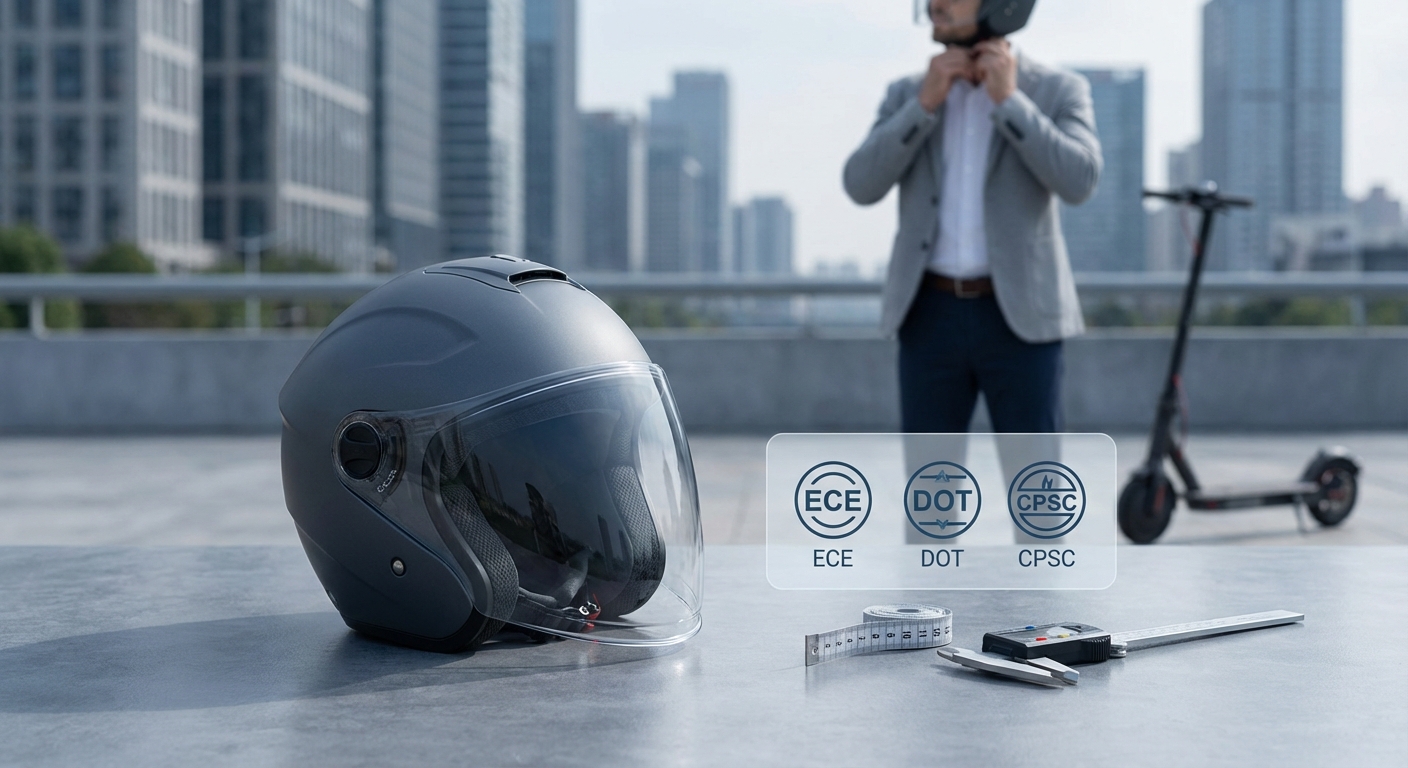
What to Look for When Buying an E-Scooter Helmet: Safety Ratings and Fit Guide
Your first ride on an electric scooter feels incredible. The wind rushes past, the street opens up, and suddenly your commute becomes an experience instead of a chore. But that same speed that makes riding so enjoyable also means you need proper head protection. A helmet isn’t just a box you tick off before your first ride. It’s the single most important piece of safety equipment you’ll own, and choosing the wrong one can leave you vulnerable when it matters most.
Choosing the right electric scooter helmet requires understanding safety certifications like CPSC, ASTM, and EN 1078, measuring your head circumference accurately, and matching helmet type to your riding speed. Proper fit means the helmet sits level, doesn’t shift when you shake your head, and uses adjustable retention systems. Different riding styles demand different protection levels, from basic bike helmets for casual riders to full-face options for high-speed commuters.
Understanding helmet safety certifications
Safety ratings aren’t marketing fluff. They represent real testing standards that determine whether a helmet will protect your head during impact.
The CPSC (Consumer Product Safety Commission) standard is the baseline for bicycle helmets in the United States. Any helmet sold for cycling must meet this requirement. The testing involves dropping the helmet onto a flat anvil and a curbstone anvil from specific heights to simulate real-world impacts.
ASTM F1492 covers skateboarding and trick riding helmets. These undergo multiple impact testing because skaters often fall repeatedly. If you’re doing tricks or riding aggressively in skate parks, this certification matters more than CPSC alone.
European riders should look for EN 1078 certification. This standard is similar to CPSC but includes additional side-impact testing. Many quality helmets carry both certifications.
For riders regularly exceeding 20 mph, motorcycle helmet standards like DOT or ECE 22.05 provide significantly more protection. These helmets undergo more rigorous testing and offer better coverage, especially around the face and chin.
A helmet that passes safety testing has been dropped from heights equivalent to hitting pavement at 14 mph. Your electric scooter likely goes faster than that, which is why proper certification matters so much.
Measuring your head for the perfect fit
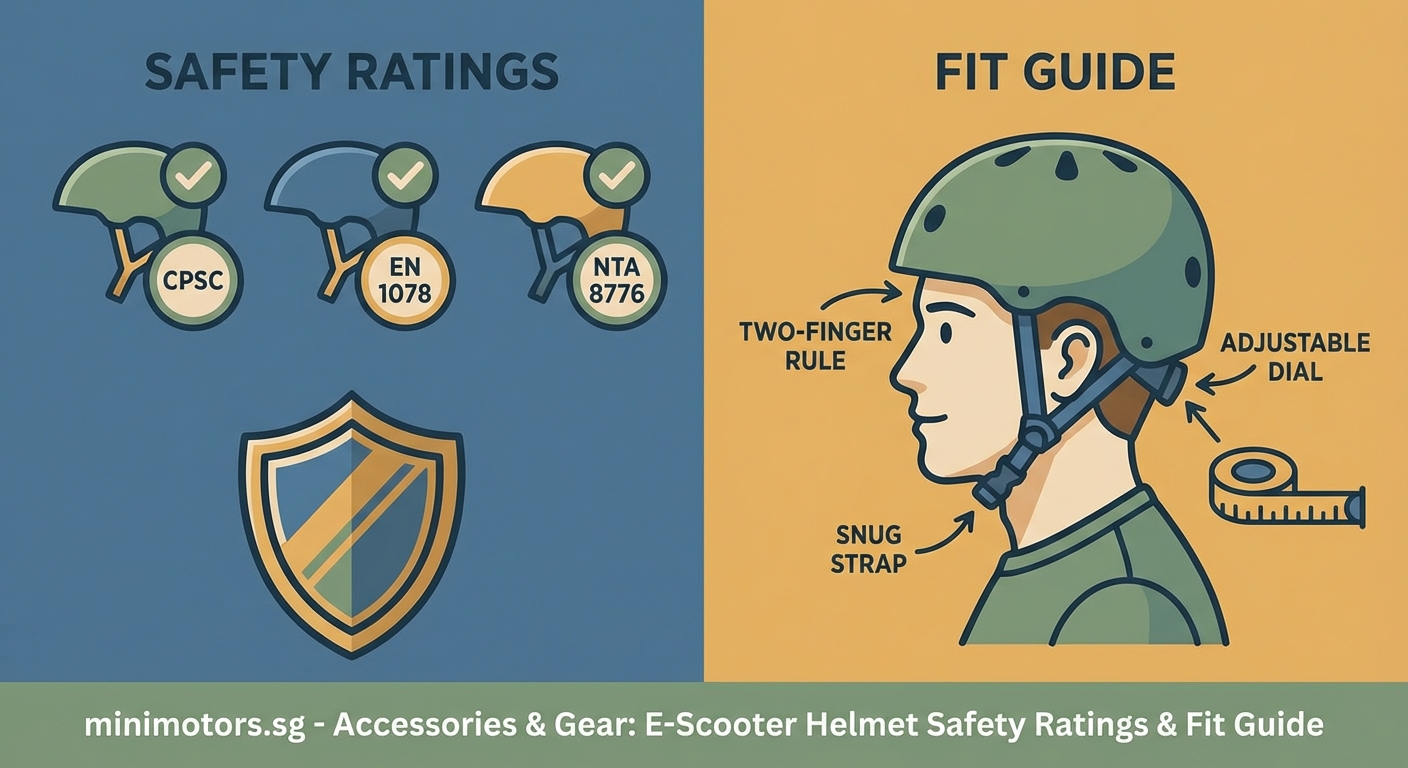
A helmet only works if it fits correctly. Too loose and it shifts during impact. Too tight and you won’t wear it consistently.
Grab a flexible measuring tape and wrap it around your head about one inch above your eyebrows. This is the widest part of your head. Keep the tape level and snug but not compressed.
Write down the measurement in centimeters. Most helmet size charts use metric measurements:
| Head Circumference | Helmet Size | Typical Fit Range |
|---|---|---|
| 51-55 cm | Small | Youth to small adult |
| 55-59 cm | Medium | Most common adult size |
| 59-63 cm | Large | Larger adult heads |
| 63+ cm | X-Large | Limited availability |
Between sizes? Go with the smaller option. Helmets include padding and adjustment systems that let you fine-tune the fit, but you can’t make a too-large helmet smaller.
Try the helmet on before buying if possible. It should feel snug all around your head without pressure points. The front should sit about one inch above your eyebrows.
Shake your head side to side and up and down. The helmet should move with your head, not slide around independently. If it shifts more than slightly, try a smaller size or adjust the fit system.
Matching helmet type to your riding style
Not all riders need the same protection level. Your speed, terrain, and riding frequency determine which helmet style makes sense.
Casual urban commuters (under 15 mph)
Standard bike helmets work perfectly for riders cruising at moderate speeds on bike paths and quiet streets. They’re lightweight, well-ventilated, and affordable.
Look for MIPS (Multi-directional Impact Protection System) technology. This slip-plane inside the helmet reduces rotational forces during angled impacts, which are common in real-world crashes.
Regular commuters (15-20 mph)
Skate-style helmets offer more coverage around the back and sides of your head. They’re designed for multiple impacts and typically feel more substantial than traditional bike helmets.
The extra coverage protects vulnerable areas during backward falls, which happen frequently when riders hit unexpected obstacles or brake suddenly.
Performance riders (20+ mph)
Full-face helmets become necessary at higher speeds. These provide chin protection and face shields that prevent road debris from hitting your eyes at speed.
Downhill mountain bike helmets split the difference between skate helmets and full motorcycle gear. They offer more protection than standard bike helmets while remaining lighter and better ventilated than motorcycle helmets.
Essential fit and comfort features
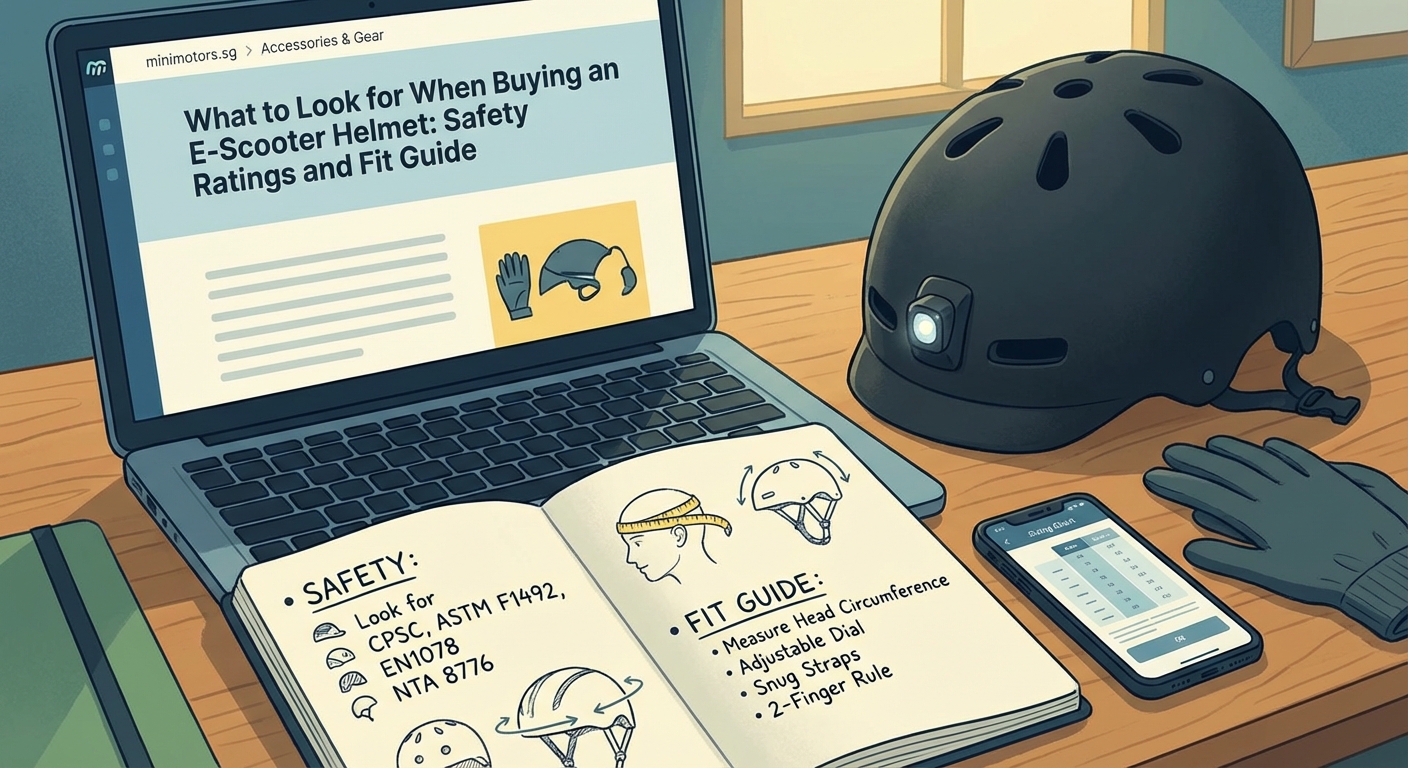
The best helmet in the world won’t protect you if it sits in your closet because it’s uncomfortable.
Retention systems
Dial adjusters at the back of the helmet let you fine-tune fit with one hand. These systems create even pressure distribution and accommodate different hairstyles or caps worn under the helmet.
Ratchet systems offer more precise adjustment than basic strap systems. They also make it easier to achieve the same fit every time you put the helmet on.
Ventilation design
More vents don’t automatically mean better cooling. Vent placement and internal channeling matter more than total vent count.
Look for helmets with front intake vents and rear exhaust vents. This creates airflow across your head that actually removes heat instead of just letting it escape randomly.
Mesh screens inside vents keep insects out during summer rides. Nothing ruins a commute like a bee trapped between your forehead and helmet padding.
Padding and liner materials
Removable, washable padding is non-negotiable. Your helmet will absorb sweat, and permanent padding becomes disgusting quickly.
Moisture-wicking fabrics keep sweat from dripping into your eyes. Antimicrobial treatments reduce odor buildup between washes.
Some helmets include different thickness pads so you can customize fit in specific areas. This helps if you have a slightly oval head shape that doesn’t match the helmet’s internal form.
How to properly adjust your helmet
Follow these steps every time you put on your helmet:
- Position the helmet level on your head with the front edge about one inch above your eyebrows.
- Adjust the rear retention dial until the helmet feels snug but not uncomfortable.
- Buckle the chin strap and adjust it so you can fit two fingers between the strap and your chin.
- Adjust the side straps so they form a V shape just below your ears.
- Tighten the strap dividers to lock the V position in place.
- Perform the shake test by moving your head vigorously in all directions.
The helmet should stay in place during the shake test. If it rocks forward and covers your eyes or slides backward and exposes your forehead, readjust the straps and retention system.
Open your mouth wide. The helmet should pull down slightly on your head. This confirms the chin strap is properly adjusted.
Additional safety features worth considering
Modern helmets include technology that goes beyond basic impact protection.
Visibility enhancements
Integrated lights or reflective elements make you more visible to drivers during dawn, dusk, and night riding. Some helmets include rechargeable LED arrays that provide 360-degree visibility.
Bright colors help during daytime riding. White, yellow, and fluorescent options stand out better than black or dark gray helmets in traffic.
Impact indicators
Some manufacturers include impact detection systems that change color or show visible damage after a crash. This removes guesswork about whether you need to replace the helmet.
Remember that any helmet involved in a crash should be replaced, even if it looks fine. The foam compresses during impact and won’t provide the same protection a second time.
Communication integration
Helmets with built-in speaker pockets let you add Bluetooth communication systems without external mounting. This keeps your profile streamlined and reduces wind noise.
Just remember that audio should never prevent you from hearing traffic around you. Keep volume low enough to hear car engines, horns, and emergency vehicles.
Common fitting mistakes to avoid
These errors compromise protection and comfort:
- Wearing the helmet too far back exposes your forehead to injury during forward falls
- Loose chin straps allow the helmet to fly off during impact
- Using a damaged helmet after it’s been dropped or crashed
- Ignoring expiration dates on helmets older than five years
- Wearing a hat underneath that prevents proper fit and contact with your head
- Skipping the adjustment period needed to break in new padding
When to replace your helmet
Helmets don’t last forever. Replace yours if:
The helmet is more than five years old, regardless of condition. UV exposure, temperature changes, and general aging degrade the protective foam even if the helmet looks perfect.
You’ve been in any crash or impact, no matter how minor. The foam compresses during impact and loses its ability to protect during subsequent crashes.
The straps show fraying, the buckles crack, or the retention system stops working smoothly. These components are critical to keeping the helmet on your head.
The interior padding deteriorates, compresses permanently, or the helmet no longer fits properly due to wear.
Helmet laws and local requirements
Regulations vary significantly by location. Some cities require helmets for all riders. Others mandate them only for riders under 18 or on rental scooters.
Singapore requires helmets for electric scooters on roads but not on park connector networks. Check your local regulations before assuming you know the rules.
Even where helmets aren’t legally required, wearing one makes sense. Insurance companies may reduce payouts for injuries sustained while not wearing proper safety equipment, even in locations without helmet laws.
Just like regular maintenance keeps your scooter running safely, proper head protection keeps you riding confidently.
Finding quality helmets at different price points
Budget matters, but don’t sacrifice safety for savings.
Entry-level helmets ($30-60) from established brands meet safety standards and provide basic protection. They typically lack advanced features like MIPS, premium ventilation, or adjustment systems.
Mid-range options ($60-120) add comfort features, better ventilation, MIPS technology, and improved aesthetics. This price range offers the best value for most riders.
Premium helmets ($120-300) include advanced safety features, superior ventilation, lighter weight, and better build quality. They’re worth considering if you ride daily or at high speeds.
Avoid no-name brands selling helmets for under $25. These often fail to meet safety standards despite claiming certifications. Stick with recognized brands that have reputations to protect.
Making your final decision
Start by determining your typical riding speed and environment. This narrows down which helmet type you actually need.
Measure your head carefully and consult size charts from multiple manufacturers. Sizing isn’t standardized, so a medium from one brand might fit differently than another.
Read reviews from actual riders, not just product descriptions. Look for comments about long-term comfort, durability, and how the helmet performs in real conditions.
Try before you buy whenever possible. Many bike shops stock electric scooter helmets and allow you to test fit options. Bring the measuring tape results to help staff point you toward appropriate sizes.
Consider buying from retailers with good return policies. Sometimes a helmet that feels great in the store becomes uncomfortable after 30 minutes of riding.
Your head deserves the best protection available
Choosing the right helmet takes time, but it’s time well spent. You’re protecting the most important part of your body while riding a vehicle that can easily reach speeds where falls cause serious injuries.
Start with proper measurements, understand which certifications matter for your riding style, and don’t compromise on fit. A helmet that sits unworn in your closet provides zero protection. One that fits well and feels comfortable becomes part of your riding routine.
Take the time to adjust your helmet correctly every single ride. Those extra 30 seconds could make the difference between walking away from a crash and facing serious injury. Your future self will thank you for making the smart choice today.
