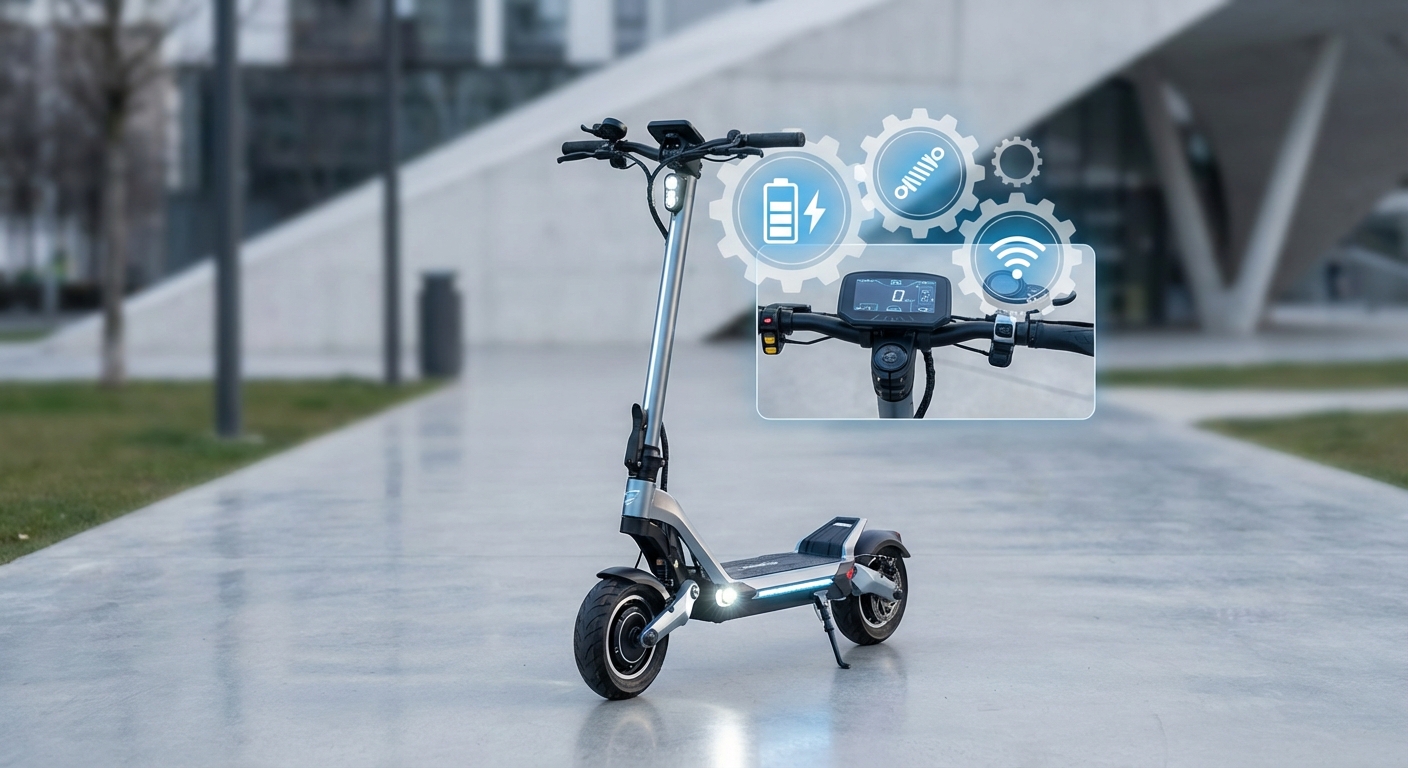
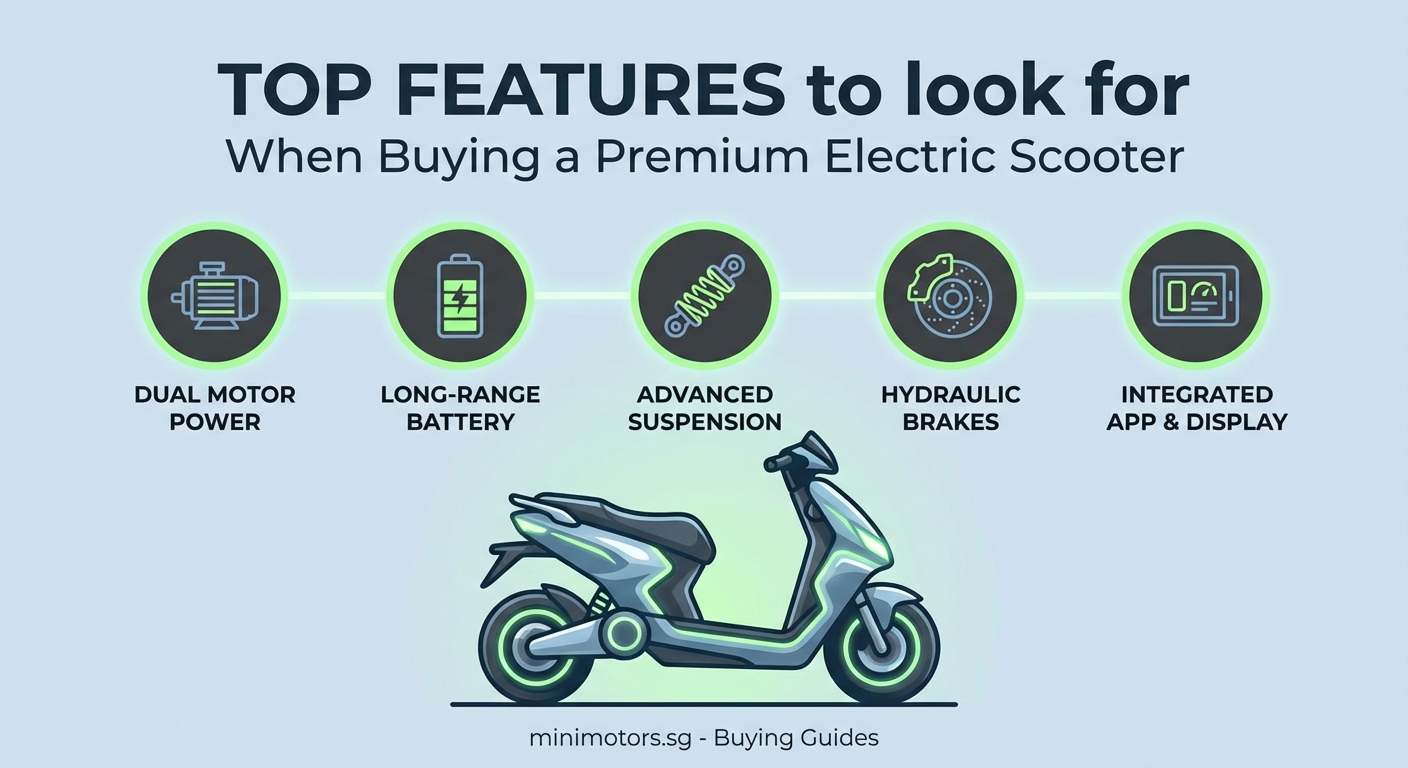
Top Features to Look for When Buying a Premium Electric Scooter
Shopping for an electric scooter can feel overwhelming when you’re comparing dozens of models with conflicting specs and marketing claims. The difference between a premium ride and a disappointing purchase often comes down to understanding which features actually matter for your daily use. This guide breaks down the technical specifications and design elements that separate quality scooters from budget compromises.
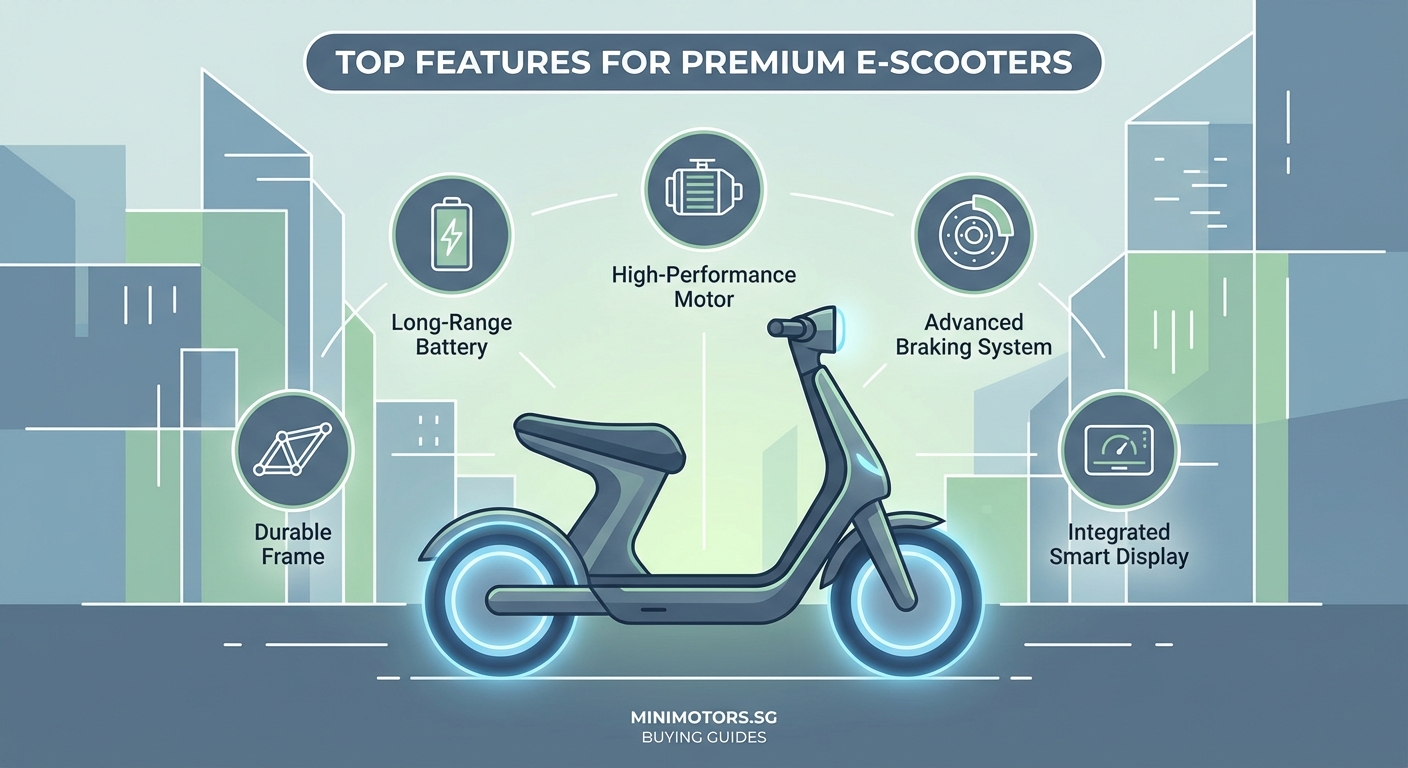
When evaluating electric scooters, prioritize motor power (500W minimum for hills), battery capacity (measured in Wh, not just voltage), dual braking systems, IP-rated water resistance, and sturdy frame construction. Premium models distinguish themselves through weight capacity ratings above 220 lbs, suspension systems, and reliable warranty coverage. These core specifications determine long-term performance far more than flashy extras or advertised top speeds that rarely reflect real-world conditions.
Motor power determines your real-world performance
The motor specification tells you how much power your scooter can actually deliver when you need it most.
Watts measure motor output. A 250W motor struggles on inclines and loses speed with heavier riders. A 500W motor handles moderate hills and maintains consistent speeds. Models with 750W or dual motors tackle steep grades without breaking a sweat.
Peak wattage numbers in marketing materials don’t tell the full story. Continuous rated power matters more for sustained performance. A scooter claiming 1000W peak but only 500W continuous will overheat on long climbs.
Motor placement affects handling. Hub motors in the rear wheel provide better traction. Front-wheel motors can cause steering wobble at high speeds. Mid-drive motors offer the best weight distribution but cost more.
Temperature management separates quality motors from cheap alternatives. Premium motors include cooling systems and thermal protection. Budget motors overheat and trigger safety cutoffs during demanding rides.
“A properly sized motor should maintain your desired speed uphill without straining. If you hear grinding or feel significant power loss on moderate inclines, the motor is undersized for your needs.”
Battery capacity and chemistry affect your daily range
Battery specifications determine how far you’ll actually travel before needing a recharge.
Watt-hours (Wh) provide the most accurate capacity measurement. A 500Wh battery delivers more range than a 350Wh battery, regardless of voltage ratings. Manufacturers sometimes list only voltage and amp-hours, requiring you to multiply them for true capacity.
Lithium-ion chemistry dominates the market for good reason. These batteries offer the best energy density and lifespan. Cheaper lead-acid batteries add weight and die after 300 cycles. Quality lithium cells last 1000+ charge cycles.
| Battery Feature | Premium Option | Budget Alternative | Impact on Performance |
|---|---|---|---|
| Cell Type | Samsung/LG lithium | Generic lithium | Longevity and safety |
| Capacity | 600Wh+ | 300-400Wh | Actual range |
| BMS Protection | Multi-layer safety | Basic cutoff | Fire prevention |
| Removability | Tool-free removal | Fixed battery | Charging convenience |
Real-world range depends on multiple factors beyond battery size. Your weight, terrain, wind, temperature, and riding speed all drain batteries faster than manufacturer estimates. Expect 60-70% of the advertised range in typical conditions.
Battery management systems (BMS) protect your investment. Quality controllers prevent overcharging, monitor cell temperatures, and balance charge across cells. Cheap systems skip these protections and create fire risks.
Charging speed varies dramatically. Standard chargers take 6-8 hours for a full charge. Fast chargers complete the job in 3-4 hours but may reduce long-term battery health. How long do e-scooter batteries actually last depends heavily on your charging habits.
Braking systems keep you safe in emergencies
Your ability to stop safely matters more than how fast you can go.
Dual braking systems provide redundancy. One brake can fail and you’ll still have stopping power. Single-brake scooters become dangerous when that brake wears out or malfunctions.
Electronic regenerative braking recovers energy but shouldn’t be your primary brake. It works well for gentle slowdowns but lacks the immediate stopping power needed in emergencies. Mechanical brakes handle panic stops.
Disc brakes offer the strongest stopping power in all conditions. Hydraulic disc brakes require less hand pressure than cable-actuated versions. Drum brakes need less maintenance but provide weaker stopping force.
Brake quality varies enormously at the same price point. Test the brake levers before buying. They should engage smoothly without excessive play or squeaking. Mushy brakes indicate poor cable tension or cheap components.
Understanding e-scooter braking systems helps you evaluate what manufacturers include in their base models versus premium upgrades.
Frame construction and materials determine longevity
The frame holds everything together and takes constant punishment from road vibration.
Aluminum alloy frames provide the best strength-to-weight ratio. Aviation-grade 6061 aluminum resists corrosion and handles stress without cracking. Steel frames last longer but add significant weight.
Welding quality separates premium builds from budget alternatives. Clean, consistent welds indicate proper manufacturing. Rough welds or visible gaps suggest weak points that will fail under stress.
Folding mechanisms create potential failure points. Quality hinges use multiple locking points and metal latches. Plastic clips or single-point locks eventually break from repeated folding cycles.
Weight capacity ratings reflect overall frame strength. A scooter rated for 220 lbs won’t last long carrying 200 lbs daily. Build in a 20-30% safety margin above your weight for component longevity.
Deck size and shape affect riding comfort. Wider decks (6+ inches) let you adjust foot position during long rides. Textured surfaces prevent slipping in wet conditions. Smooth decks become dangerously slippery.
Suspension systems smooth out rough roads
Suspension determines whether you arrive relaxed or rattled after riding over imperfect pavement.
Front suspension absorbs impacts from potholes and cracks. Spring suspension costs less but offers limited adjustability. Hydraulic suspension provides smoother damping and can be tuned for rider weight.
Rear suspension completes the system. Dual suspension scooters cost more but dramatically improve comfort on rough surfaces. Single suspension (front only) helps but still transmits rear impacts directly to your feet.
Suspension travel distance matters. Systems with 40mm+ travel handle larger obstacles. Shorter travel provides minimal benefit over rigid frames.
- Test ride over actual road conditions before buying.
- Adjust preload settings for your weight if the suspension allows tuning.
- Maintain suspension components with periodic cleaning and lubrication.
No suspension forces you to rely entirely on tire cushioning. This works acceptably on smooth paths but becomes exhausting on degraded roads.
Tire selection affects traction and maintenance
Tires create your only contact point with the road surface.
Pneumatic (air-filled) tires provide the best ride quality. They absorb small bumps and offer good traction in various conditions. The tradeoff includes puncture risk and pressure maintenance requirements.
Solid tires eliminate flat tire worries but transmit every road imperfection. They work well for short commutes on smooth surfaces. Long rides become uncomfortable without air cushioning.
Honeycomb or foam-filled tires split the difference. They resist punctures while providing some shock absorption. Performance falls between pneumatic and solid options.
Tire width affects stability and comfort. Wider tires (2.5+ inches) handle rough surfaces better and provide more grip in corners. Narrow tires reduce rolling resistance but feel twitchy at speed.
Tread patterns matter for wet conditions. Deep grooves channel water away and maintain traction. Slick tires work fine in dry weather but become dangerous when wet.
Water resistance protects electrical components
IP ratings tell you exactly what weather conditions your scooter can handle.
IP54 provides basic splash protection. Light rain won’t damage components but avoid puddles and heavy downpours. This minimum rating works for occasional wet rides.
IP65 handles rain and road spray confidently. You can ride through storms without worrying about electrical damage. Water jets won’t penetrate sealed components.
IP67 allows brief submersion. Riding through deep puddles won’t kill your scooter. This rating provides peace of mind for unpredictable weather.
Manufacturers sometimes provide IP ratings for specific components rather than the entire scooter. Check whether the rating applies to the battery, controller, display, or complete system.
Can you ride an electric scooter in the rain depends heavily on your scooter’s IP rating and component sealing quality.
Sealed connectors prevent water intrusion at cable junctions. Quality scooters use marine-grade connectors with rubber gaskets. Cheap models use exposed terminals that corrode after wet rides.
Display and controls provide essential information
Your dashboard shows critical data for safe operation and trip planning.
Essential display information includes:
* Current speed
* Battery level (percentage or voltage)
* Riding mode selection
* Trip distance
* Total odometer
LED displays work in direct sunlight but show limited information. LCD screens provide more data but can wash out in bright conditions. OLED displays offer the best visibility and detail.
Control placement affects safety. Thumb throttles let you maintain a secure grip while accelerating. Twist throttles require wrist rotation that can feel awkward. Trigger throttles work well but take up handlebar space.
Mode selection switches let you balance speed and range. Eco mode maximizes battery life for long commutes. Sport mode delivers full power for hills and acceleration. Multiple modes add versatility.
Smartphone connectivity adds features like GPS tracking, theft alerts, and detailed ride statistics. Apps also enable firmware updates and diagnostic information. Do smartphone apps really make e-scooters safer depends on implementation quality.
Lighting systems ensure visibility and safety
Built-in lights eliminate the hassle of removable accessories that need separate charging.
Front headlights should provide at least 500 lumens for night riding. Adjustable beam angles let you point light where you need it. Fixed lights often aim too high or too low.
Rear brake lights activate automatically when you brake. This warns following traffic of your deceleration. Always-on taillights make you visible but don’t signal braking.
Side reflectors or LED strips increase visibility from perpendicular angles. Intersections become safer when crossing traffic can see you approaching.
Battery-powered lights drain your main battery. Some premium models use separate light batteries to preserve range. This adds complexity but prevents choosing between visibility and distance.
Night riding safety requires more than just built-in lights, but quality factory lighting provides a solid foundation.
Weight and portability match your storage situation
Scooter weight determines whether you’ll actually carry it or leave it locked outside.
Portable models weigh 25-35 lbs and fold compactly. You can carry them upstairs, store them under desks, or lift them into car trunks. This convenience comes at the cost of smaller batteries and less robust frames.
Performance models weigh 45-70+ lbs with larger batteries and stronger components. They’re not practical for daily carrying but excel at longer commutes and challenging terrain.
Folding speed matters for multimodal commutes. One-step folds take seconds and encourage regular use. Complex multi-latch systems discourage folding, leaving your scooter bulky when boarding buses or trains.
Carrying handles should be positioned at the balance point. Poorly placed handles make the scooter tip forward or backward when lifted. Ergonomic grips prevent hand fatigue during carries.
Warranty coverage reveals manufacturer confidence
Warranty terms tell you how long the manufacturer expects their components to last.
Premium warranties cover:
* Frame: 2+ years
* Battery: 1-2 years
* Motor: 1-2 years
* Electronics: 1 year
Budget warranties offer 6 months or less on all components. Short warranties signal that manufacturers expect failures and don’t want to cover repairs.
Warranty exclusions matter as much as coverage. Some manufacturers void warranties for riding in rain, despite advertising water resistance. Others exclude normal wear items like tires and brake pads, which is reasonable.
Service network availability determines whether you can actually use your warranty. Brands with local service centers or mail-in repair programs make claims straightforward. Brands requiring international shipping make warranty claims impractical.
Customer service responsiveness separates good companies from bad. Research how quickly manufacturers respond to warranty claims and whether they honor coverage without excessive documentation requirements.
Build quality shows in the details
Small touches reveal whether a manufacturer prioritizes quality or cuts corners everywhere possible.
Cable routing affects durability and aesthetics. Internal routing protects cables from damage and creates a clean appearance. External cables snag on obstacles and look messy.
Fastener quality prevents parts from loosening during rides. Threadlock compound on critical bolts stops them from vibrating loose. Cheap fasteners strip easily during maintenance.
Paint and finish quality indicate manufacturing standards. Even coating with no drips or thin spots suggests careful production. Rough finishes and exposed metal show rushed assembly.
Component integration looks seamless on premium scooters. Gaps between parts should be minimal and consistent. Misaligned panels indicate poor quality control.
Price positioning reflects true quality
Understanding price tiers helps set realistic expectations for feature sets and longevity.
Budget scooters ($300-$600) work for casual use on smooth surfaces. Expect basic features, limited range, and shorter lifespans. These make sense for testing whether scooter commuting fits your lifestyle.
Mid-range models ($600-$1,200) offer better components and real commuting capability. You get adequate range, reliable braking, and components that last. This tier provides the best value for daily riders.
Premium scooters ($1,200-$3,000+) deliver performance, comfort, and durability. Dual motors, long-range batteries, and quality suspension justify higher prices for serious commuters. Best e-scooters for heavy riders typically fall in this category.
Ultra-premium models ($3,000+) target enthusiasts wanting maximum performance. Racing-inspired designs, extreme speeds, and cutting-edge technology command these prices.
Price alone doesn’t guarantee quality. Some brands charge premium prices for mediocre components. Research specific models rather than assuming expensive equals better.
Testing before buying reveals hidden issues
Specifications on paper don’t capture how a scooter actually feels to ride.
Test ride checklist:
* Acceleration smoothness and power delivery
* Brake responsiveness and stopping distance
* Handlebar comfort and grip ergonomics
* Deck size and foot positioning options
* Suspension effectiveness over bumps
* Noise levels from motor and wheels
* Display visibility in current lighting
* Folding mechanism ease of use
Ride at your typical commuting speed, not just parking lot crawls. Higher speeds reveal stability issues and wind noise that don’t appear at walking pace.
Test on actual road surfaces you’ll encounter daily. Smooth showroom floors hide suspension and tire deficiencies that become obvious on cracked pavement.
Bring a scale to verify actual weight. Manufacturers sometimes understate weights by excluding batteries or accessories. A few extra pounds matter when you’re carrying it daily.
Making your decision with confidence
Buying a premium electric scooter requires balancing multiple competing priorities within your budget.
Start by defining your primary use case. Daily commuters need different features than weekend recreational riders. Commuter vs off-road e-scooters serve distinct purposes with minimal overlap.
Create a priority list of must-have features versus nice-to-have extras. A waterproof scooter matters more in Seattle than Phoenix. Suspension becomes essential on rough roads but adds unnecessary weight for smooth bike path riders.
Calculate total cost of ownership beyond the purchase price. Factor in replacement parts, maintenance requirements, and potential repair costs. A cheaper scooter with expensive proprietary parts may cost more long-term than a pricier model with standard components.
The features that matter most are the ones you’ll use every single day. Focus on core performance specifications like motor power, battery capacity, and braking systems rather than flashy extras that sound impressive but rarely get used. Your perfect scooter balances capability with your actual riding needs, not the most extreme specifications available.
