Are E-Scooters Actually Sustainable? Environmental Impact Analysis
Electric scooters zip through city streets with zero tailpipe emissions, marketed as the eco-friendly alternative to cars. But scratch beneath that clean energy surface and a more complicated picture emerges. Manufacturing impacts, battery disposal, short lifespans, and operational logistics all contribute to the environmental footprint of these popular devices.
E-scooters can reduce emissions compared to cars, but only under specific conditions. Manufacturing produces significant carbon output, batteries contain toxic materials, and shared scooters often have short lifespans. Personal ownership, proper maintenance, and replacing car trips rather than walking make them genuinely sustainable. The environmental benefit depends entirely on how you use them.
Manufacturing Impact Creates Initial Carbon Debt
Building an electric scooter generates between 50 and 200 kilograms of CO2 equivalent, depending on the model and materials used. That number climbs higher for premium models with aluminum frames, large batteries, and advanced electronics.
The battery alone accounts for roughly 40% of manufacturing emissions. Lithium-ion cells require mining operations that disrupt ecosystems and consume massive amounts of water. Cobalt extraction, often concentrated in regions with minimal environmental oversight, adds another layer of ecological damage.
Aluminum frames offer durability but demand energy-intensive smelting processes. Steel alternatives reduce manufacturing emissions but add weight, which decreases efficiency during use. Carbon fiber components, found in high-end models, carry the highest production footprint of all.
Shipping these devices from manufacturing hubs to global markets adds transportation emissions. A scooter manufactured in Asia and shipped to North America or Europe can add 10 to 30 kilograms of CO2 to its lifetime footprint before anyone takes a single ride.
The environmental cost of manufacturing means an e-scooter must replace enough car trips to offset its production emissions. That breakeven point varies dramatically based on usage patterns, local energy grids, and the vehicle it replaces.
Battery Lifespan Determines Long-Term Sustainability

Lithium-ion batteries degrade with every charge cycle. Most e-scooter batteries maintain 80% capacity for 300 to 500 full cycles, translating to roughly one to three years of regular use depending on charging habits and climate conditions.
Temperature extremes accelerate degradation. Batteries left in freezing conditions or exposed to intense heat lose capacity faster than those stored at moderate temperatures. This reality hits shared scooter programs particularly hard, as devices sit exposed to weather around the clock.
Replacement batteries cost $100 to $400 depending on capacity and model. Many riders choose to replace their entire scooter rather than invest in a new battery, creating electronic waste that contains toxic materials requiring specialized recycling processes.
Proper battery care extends lifespan significantly. Avoiding complete discharge, storing at 50% charge during extended breaks, and keeping devices away from temperature extremes can push useful life beyond 1,000 cycles. Understanding how long do e-scooter batteries actually last helps owners maximize their investment and minimize waste.
Shared Programs Face Unique Environmental Challenges
Rental scooters scattered across cities create a visible presence that shapes public perception. But operational realities behind these programs reveal environmental costs that marketing materials rarely mention.
Collection vans drive daily routes to retrieve, charge, and redistribute scooters. These vehicles, typically gas-powered trucks or vans, add emissions that offset some of the benefits from scooter rides. A study in Raleigh, North Carolina found that collection operations contributed 43% of total lifecycle emissions for shared scooters.
Average lifespan for shared scooters hovers around six months to two years, dramatically shorter than personally owned devices. Vandalism, weather exposure, and heavy use by inexperienced riders all contribute to premature failure. When manufacturing emissions get spread across such a short operational period, the per-ride environmental cost increases substantially.
Maintenance and repair operations add another layer. Technicians must diagnose issues, order parts, and perform repairs, all requiring additional transportation and resource consumption. Scooters beyond economical repair become electronic waste far sooner than personal devices that receive better care.
| Scooter Type | Average Lifespan | Collection Emissions | Maintenance Frequency |
|---|---|---|---|
| Shared rental | 6-24 months | High (daily van routes) | Weekly to monthly |
| Personal ownership | 3-7 years | None | As needed |
| Fleet (delivery) | 2-4 years | Medium (centralized charging) | Bi-weekly |
Comparing Transportation Modes Reveals Context Matters
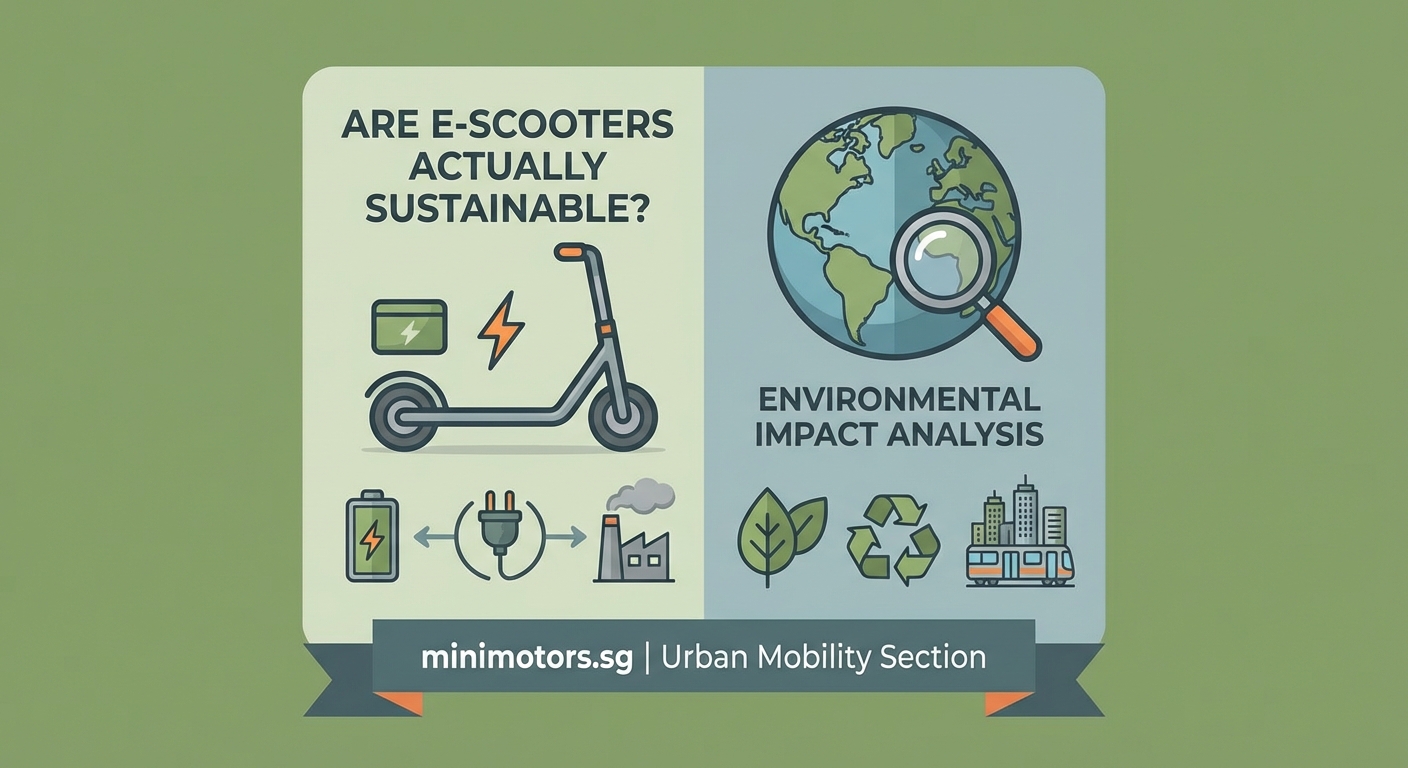
Whether e-scooters benefit the environment depends entirely on what they replace. A scooter trip substituting for a car journey delivers clear emissions savings. That same trip replacing a walk or bike ride creates new environmental impact where none existed before.
Research from North Carolina State University found that 49% of scooter trips replaced walking or biking, 34% replaced car trips, 11% replaced bus rides, and 6% replaced trips that wouldn’t have happened otherwise. Only that 34% represents genuine environmental improvement.
Car trips produce roughly 271 grams of CO2 per passenger kilometer. Electric scooters generate 125 grams per kilometer when accounting for manufacturing, electricity, and collection operations for shared models. Personal scooters without collection logistics drop to around 65 grams per kilometer over their lifetime.
Public transit emissions vary by system efficiency and ridership levels. Well-utilized bus and rail systems often beat e-scooters on a per-passenger-kilometer basis. Replacing transit trips with scooters can actually increase overall emissions in cities with efficient public transportation.
Walking and cycling produce essentially zero operational emissions. They offer health benefits that sedentary scooter riding doesn’t match. Cities need to ensure that e-scooters are reducing traffic congestion rather than simply replacing active transportation.
Energy Source Makes a Measurable Difference
Electricity powering e-scooters comes from grids with wildly different carbon intensities. Charging in regions powered by coal produces roughly three times the emissions of charging in areas dominated by renewable energy.
A scooter charged in West Virginia, where coal generates 90% of electricity, creates about 85 grams of CO2 per kilometer just from energy consumption. That same scooter charged in Washington state, powered largely by hydroelectric dams, produces only 12 grams per kilometer from electricity.
Personal owners can choose renewable energy plans or install solar panels to charge their devices with minimal emissions. Shared scooter companies increasingly pursue green energy contracts, though implementation varies by market and local grid availability.
Time of charging also matters in regions with variable renewable generation. Charging during peak solar hours in sunny climates maximizes clean energy use. Overnight charging in wind-heavy regions captures abundant nighttime generation. Smart charging practices can reduce emissions by 20 to 40% compared to random charging patterns.
End-of-Life Disposal Creates Toxic Waste Concerns
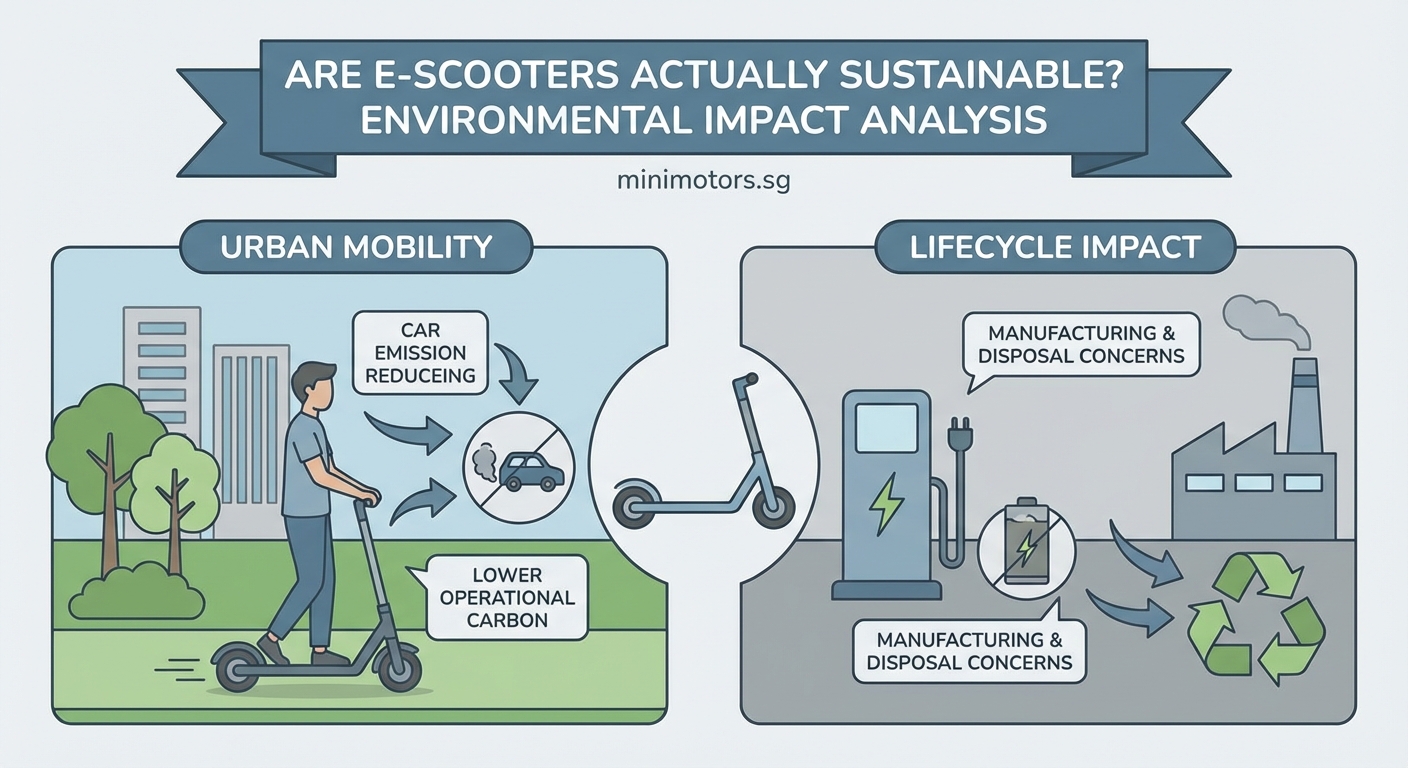
E-scooters contain materials that require careful handling at end of life. Batteries, motors, and electronic controllers all contain substances that can contaminate soil and water if improperly disposed.
Lithium-ion batteries pose fire risks in landfills and recycling facilities. Thermal runaway events can ignite when damaged cells short circuit. Specialized recycling processes can recover lithium, cobalt, and other valuable materials, but these services remain limited in many regions.
Aluminum frames can be recycled indefinitely without quality loss, but only if properly separated from other components. Mixed material construction makes disassembly labor-intensive and economically challenging. Many scooters end up in landfills simply because recycling costs exceed the value of recovered materials.
Electronics contain trace amounts of precious metals along with hazardous substances like lead and mercury. Circuit boards require specialized e-waste processing that isn’t available in all communities. Riders need to research local recycling options before their device reaches end of life.
Manufacturers bear responsibility for designing products with end-of-life in mind. Modular construction, easily replaceable batteries, and standardized components all improve recyclability. Some companies now offer take-back programs, though participation rates remain low.
Personal Ownership Changes the Environmental Math
Buying your own scooter eliminates collection vehicle emissions entirely. You charge at home, maintain the device carefully, and typically use it for years rather than months. This dramatically improves the environmental equation compared to shared programs.
Personal scooters average 3,000 to 7,000 kilometers of lifetime use, compared to 1,000 to 3,000 kilometers for shared devices. Spreading manufacturing emissions across more trips reduces per-kilometer impact substantially. A well-maintained personal scooter can achieve carbon payback in six months to two years of regular use.
Owners invest in protective accessories, perform regular maintenance, and store devices safely. These practices extend lifespan and maintain efficiency. Choosing your first electric scooter with durability and repairability in mind pays environmental dividends over years of use.
Range anxiety affects environmental impact too. Understanding what range to expect on a single charge helps riders plan trips that genuinely replace car journeys rather than requiring backup transportation that adds emissions.
Steps to Minimize Your E-Scooter Environmental Impact
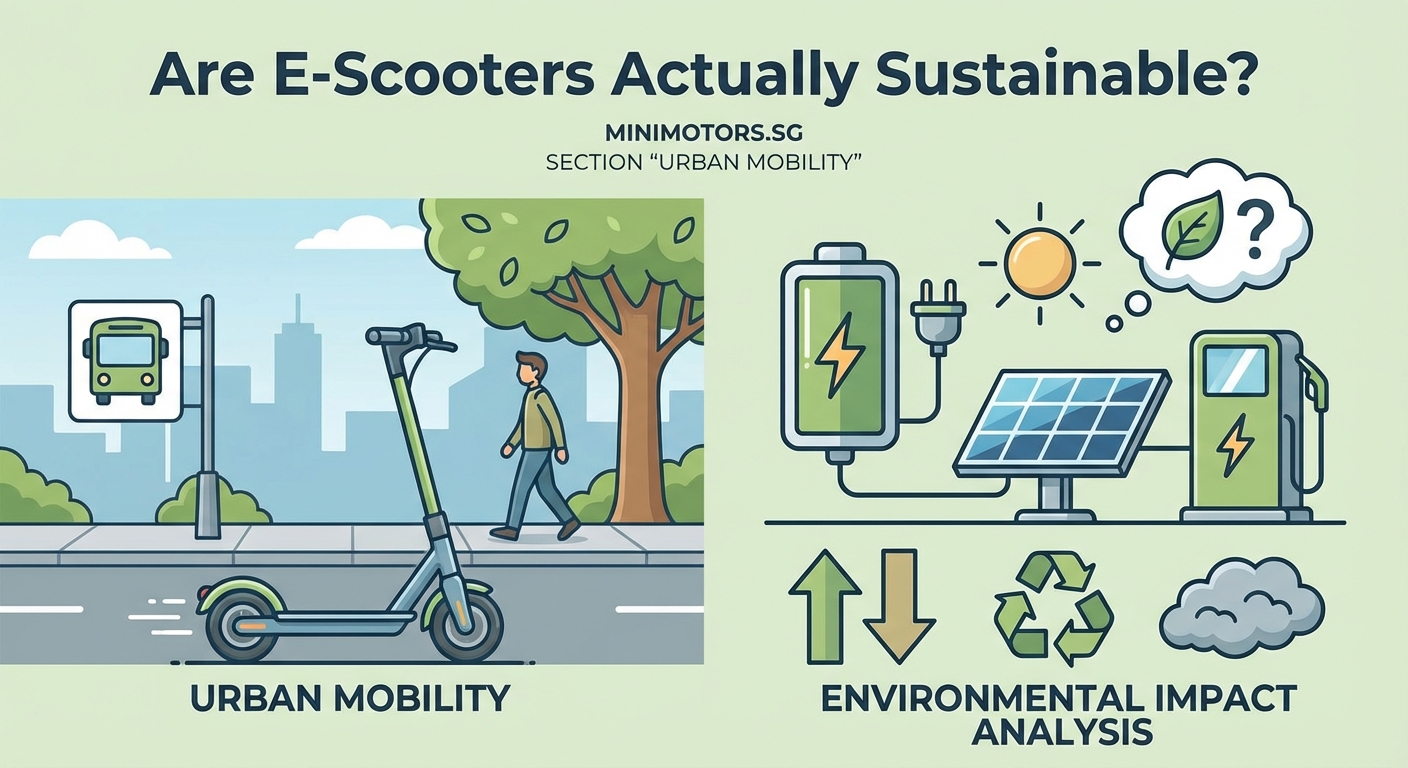
Making environmentally conscious choices throughout ownership reduces your scooter’s ecological footprint significantly. Here’s how to maximize sustainability:
-
Buy a durable model designed for long-term use rather than the cheapest available option. Quality construction means fewer replacements over time.
-
Charge during off-peak hours or when renewable energy generation peaks in your region. Check your local grid mix and time charging accordingly.
-
Maintain your scooter regularly to extend its lifespan. Tire pressure, brake adjustments, and keeping components clean all improve efficiency and longevity.
-
Replace car trips specifically rather than walks or bike rides. Track your usage to ensure you’re genuinely reducing emissions.
-
Store your scooter indoors at moderate temperatures to preserve battery health. Extreme heat and cold accelerate degradation.
-
Learn basic repairs to fix minor issues yourself rather than replacing the entire device. Many common problems require only simple tools and spare parts.
-
Research battery recycling options in your area before your battery reaches end of life. Plan for responsible disposal rather than treating it as an afterthought.
Common Misconceptions About E-Scooter Sustainability
Marketing messages often paint an overly rosy picture of e-scooter environmental benefits. Understanding the nuances helps make informed decisions.
Misconception: Electric means zero emissions.
Reality: Manufacturing, charging, and end-of-life disposal all create environmental impact. The electricity powering your ride comes from somewhere.
Misconception: Shared scooters are more efficient than personal ownership.
Reality: Collection operations and short lifespans often make shared programs less sustainable per trip than well-maintained personal devices.
Misconception: E-scooters always beat cars environmentally.
Reality: Short trips where the scooter replaces walking, or trips requiring a car backup, can actually increase total emissions.
Misconception: Battery recycling is widespread and effective.
Reality: Recycling infrastructure remains limited, and many batteries end up in landfills despite being technically recyclable.
Misconception: All e-scooters have similar environmental footprints.
Reality: Manufacturing quality, battery size, materials, and operational patterns create massive variation in lifecycle emissions.
Making E-Scooters Work for the Environment
E-scooters aren’t inherently good or bad for the planet. Their environmental impact depends on manufacturing practices, usage patterns, energy sources, and end-of-life management. The devices offer genuine sustainability benefits when they replace car trips, receive proper maintenance, and operate in regions with clean electricity grids.
Cities can improve outcomes through smart policy. Requiring minimum lifespan standards for shared fleets, mandating battery recycling programs, and creating infrastructure that encourages scooter use for car replacement rather than active transportation substitution all push the needle toward sustainability.
Manufacturers bear responsibility for designing durable, repairable products with recyclable components. Modular batteries, standardized parts, and take-back programs should become industry standards rather than rare exceptions.
Riders make the biggest difference through their choices. Buying quality devices, maintaining them properly, charging strategically, and genuinely replacing high-emission trips turns e-scooters into effective climate tools. Understanding these factors helps you ride with confidence that you’re making a positive environmental choice rather than just a convenient one.
The answer to whether e-scooters harm the environment isn’t simple. But armed with accurate information about manufacturing impact, operational realities, and best practices, you can make choices that align with your sustainability values while enjoying the convenience of electric mobility.
