7 Ways Smart Cities Are Integrating E-Scooters Into Public Transit
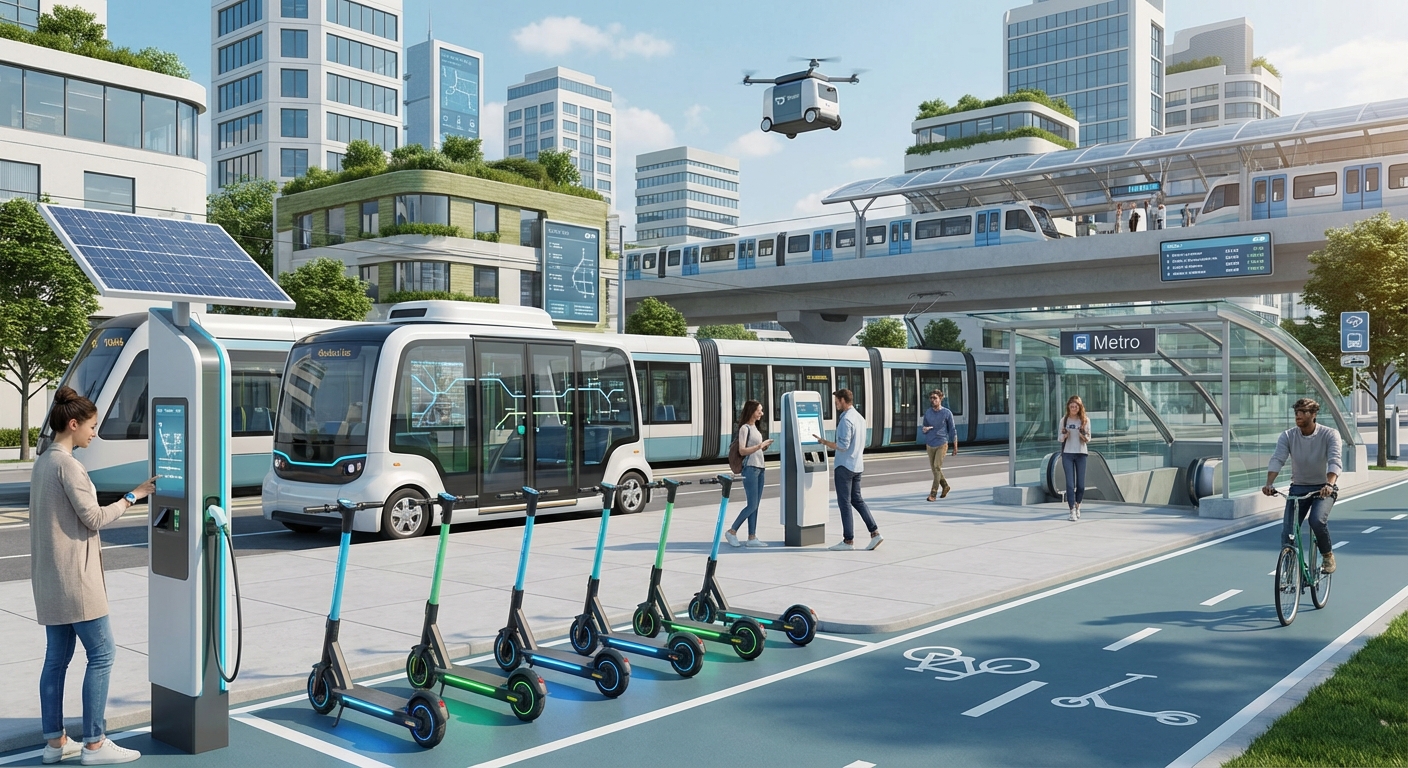
Cities around the world are rethinking how people move. The traditional model of cars and buses no longer meets the needs of modern urban populations. Shared e-scooters have emerged as a powerful tool to bridge the gap between transit stations and final destinations, but integration requires careful planning and execution.
Successful e-scooters public transit integration requires coordinated infrastructure planning, real-time data sharing between systems, designated parking zones near transit hubs, unified payment platforms, and clear regulations. Cities that implement these elements see 30-40% improvements in last-mile connectivity and reduced car dependency within the first year of deployment.
Understanding the First-Mile Problem
Public transit works brilliantly for moving large numbers of people along fixed routes. But most commuters face a challenge: getting from home to the station, or from the station to their workplace.
This distance is typically too far to walk comfortably but too short to justify driving.
Traditional solutions like feeder buses run infrequently and follow rigid schedules. They add waiting time and reduce the overall appeal of public transit. Many commuters choose personal vehicles instead, which defeats the purpose of building robust transit systems.
E-scooters solve this problem by offering on-demand, point-to-point transportation. Riders can pick up a scooter near their home, ride to the station, and catch their train without waiting for a connecting bus.
The same flexibility applies to the final leg of the journey. This seamless connection makes public transit competitive with car ownership, especially in dense urban areas where parking costs are high.
Strategic Parking Zone Placement
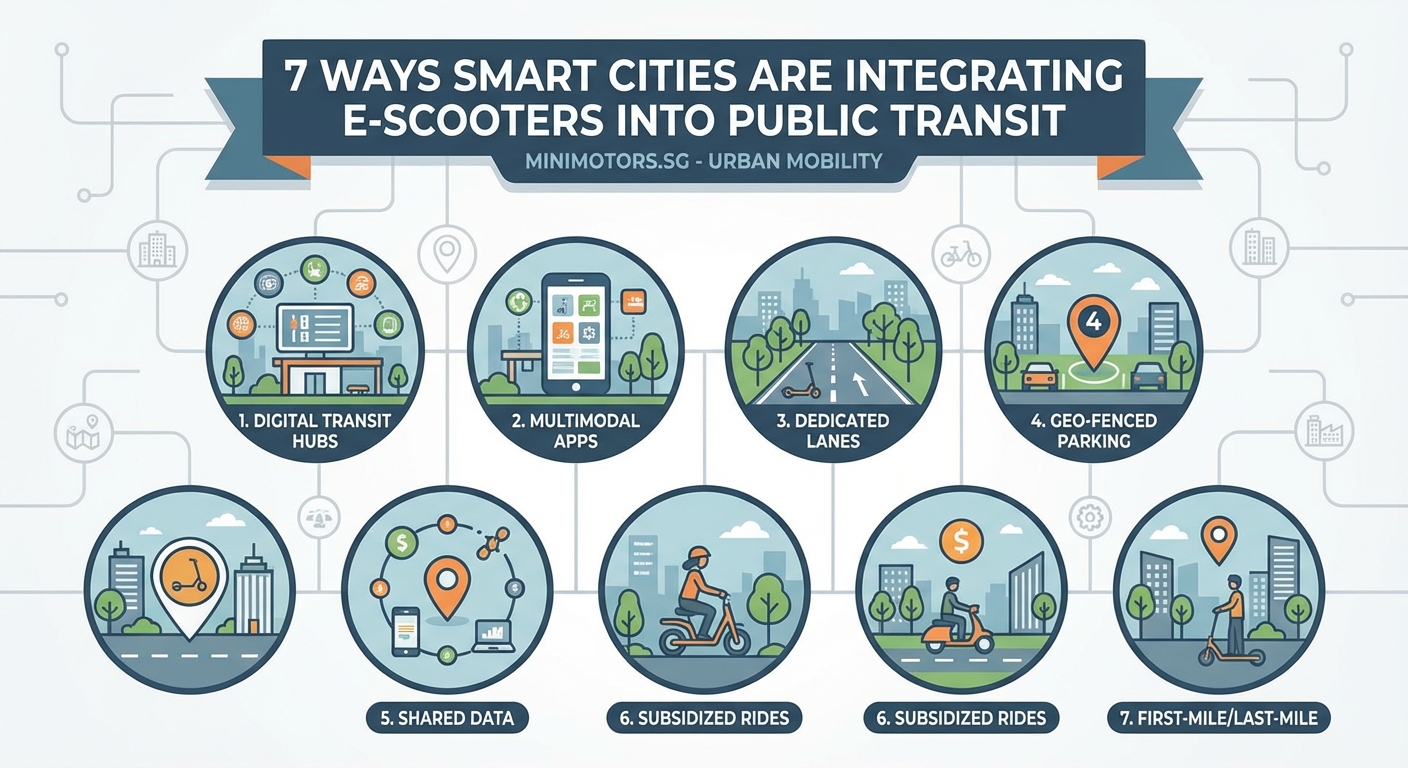
Random scooter placement creates chaos. Sidewalks become obstacle courses, and transit stations turn into cluttered messes.
Smart cities designate specific parking zones that serve both riders and pedestrians. These zones need to be visible, accessible, and integrated with existing infrastructure.
The most effective locations include:
- Within 50 meters of transit station entrances
- Near major bus stops with high transfer volumes
- At the edge of pedestrian plazas adjacent to transit hubs
- Along dedicated bike lanes that connect to station areas
- Inside multimodal transit centers with clear signage
Physical infrastructure matters. Cities that install painted parking corrals see compliance rates above 80%. Simple paint markings without barriers achieve only 40-50% compliance.
Geofencing technology reinforces these zones by charging extra fees when riders park outside designated areas. Some systems prevent scooters from ending trips unless they’re in approved zones, though this can frustrate users if zones are poorly located or full.
“The key is making compliant parking easier than non-compliant parking. If your designated zone is 200 meters from the platform, riders will abandon scooters wherever is convenient. Place zones where people naturally want to end their trips.” – Transportation Systems Analyst, Singapore Land Transport Authority
Real-Time Data Integration Systems
Transit agencies and scooter operators need to share information constantly. Riders benefit when they can see both train schedules and nearby scooter availability in a single app.
This requires application programming interfaces that connect different systems. The technical implementation varies, but the core concept remains consistent: data flows between operators in real time.
Cities should establish data-sharing requirements as part of operating permits. Operators must provide:
- Live vehicle locations and availability
- Trip origin and destination data (anonymized for privacy)
- Battery levels and operational status
- Maintenance schedules and downtime
- Usage patterns by time of day and location
Transit agencies reciprocate by sharing schedule information, service disruptions, and passenger volume data. This creates a feedback loop that helps both parties optimize service.
For example, if a train experiences delays, the transit app can suggest nearby e-scooters as alternative connections. If scooter usage spikes at a particular station during evening rush hour, operators can rebalance vehicles to meet demand.
The complete guide to last-mile transportation solutions provides additional context on how these systems work together.
Unified Payment and Fare Systems
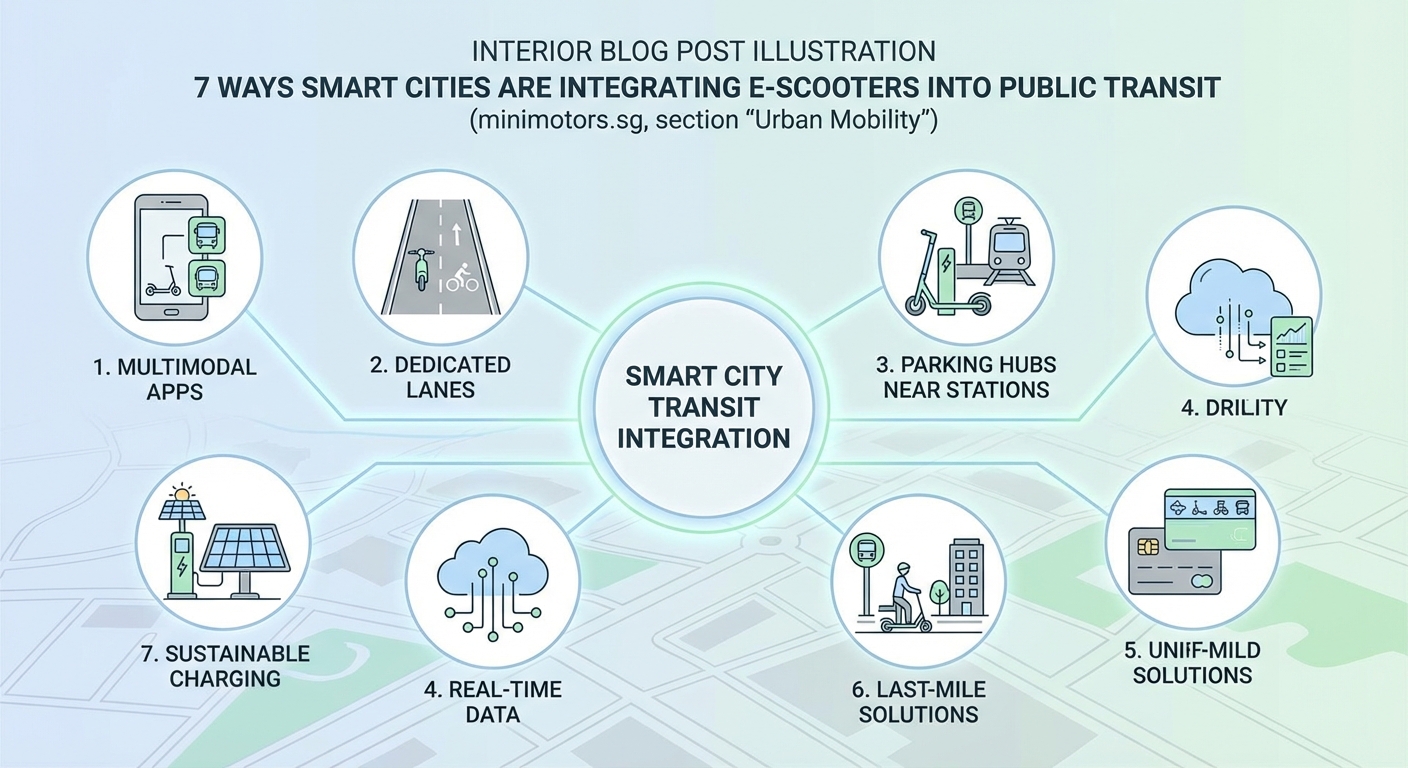
Asking riders to juggle multiple payment apps creates friction. Every additional step reduces the likelihood someone will choose public transit over driving.
The solution is integrated payment systems that treat e-scooters as extensions of the transit network. Riders should be able to pay for trains, buses, and scooters through a single platform.
Several implementation models exist:
| Model | Description | Best For |
|---|---|---|
| Transit Agency Integration | Scooter rides charged to existing transit cards | Cities with established transit payment systems |
| Third-Party Platform | Unified app manages all mobility options | Cities with multiple competing operators |
| Open Payment Standard | Credit cards work across all services | Cities prioritizing visitor accessibility |
| Subscription Bundle | Monthly pass includes transit and scooter minutes | Cities encouraging regular commuter adoption |
Singapore’s model allows riders to tap their transit cards on scooters, automatically deducting the fare. The same card works on trains, buses, and e-scooters without switching apps.
Paris takes a different approach, offering discounted scooter rides when combined with metro tickets. A 10-minute scooter ride costs €1 when paired with a valid metro fare, compared to €3 as a standalone trip.
Financial integration also enables bundled pricing that makes the combined option more attractive than either service alone. A monthly transit pass might include 30 minutes of daily scooter time, encouraging riders to view the systems as complementary rather than separate.
Infrastructure Design for Multimodal Connections
Transit stations built decades ago weren’t designed for e-scooters. Retrofitting these spaces requires thoughtful planning that balances multiple user needs.
Successful stations include dedicated approach lanes that separate scooter riders from pedestrians. These lanes connect directly to parking corrals, creating a clear path that reduces conflicts.
Physical elements to consider:
- Charging stations near parking areas for operator maintenance
- Weather protection for parked scooters to extend vehicle lifespan
- Clear wayfinding signage showing parking locations
- Adequate lighting for evening and early morning use
- Smooth pavement transitions between bike lanes and parking zones
- Bollards or barriers preventing car intrusion into scooter areas
The relationship between how e-scooters are reducing traffic congestion in major cities becomes clear when infrastructure supports seamless transfers. Riders who can smoothly transition between modes are more likely to abandon personal vehicles.
New transit developments should include scooter infrastructure from the beginning. Retrofits cost 3-5 times more than building correctly from the start.
Regulatory Frameworks That Enable Integration
Regulations shape how well e-scooters complement public transit. Overly restrictive rules kill programs before they start. Absent regulations create chaos.
Effective frameworks focus on outcomes rather than prescriptive requirements. Instead of mandating specific parking corral dimensions, regulations might require that 90% of trips end in designated zones.
Key regulatory elements include:
- Operating permits tied to integration performance metrics
- Fleet size limits based on actual demand patterns
- Service area requirements ensuring coverage near transit hubs
- Data sharing mandates with clear privacy protections
- Penalties for operators who fail to maintain service standards
- Incentives for operators who exceed integration benchmarks
Some cities use tiered permit systems. Operators meeting basic standards receive permits for 500 scooters. Those demonstrating excellent integration, high parking compliance, and strong safety records can expand to 1,000 or more vehicles.
This approach rewards operators who invest in integration rather than simply flooding streets with scooters. It also creates competitive pressure to improve service quality.
Speed limits near transit stations deserve special attention. Many cities restrict scooters to 15 km/h within 100 meters of major stations, reducing pedestrian conflicts during peak hours.
Operator Selection and Partnership Models
Not all scooter companies prioritize transit integration. Some focus purely on maximizing rides without considering how trips fit into broader transportation networks.
Cities should evaluate potential operators based on their commitment to integration. Request detailed proposals showing how they’ll support transit connections.
Evaluation criteria might include:
- Experience integrating with transit systems in other cities
- Technical capabilities for data sharing and API connections
- Fleet management practices ensuring scooter availability at stations
- Maintenance protocols keeping vehicles operational
- Customer service responsiveness for rider issues
- Financial stability suggesting long-term viability
Some cities partner with a single operator, creating consistency but reducing competition. Others permit multiple operators, fostering innovation but complicating coordination.
The middle ground involves limiting permits to 2-3 operators who demonstrate integration commitment. This maintains some competition while keeping the ecosystem manageable.
Partnership agreements should specify integration requirements. Vague commitments to “work with transit agencies” accomplish nothing. Concrete obligations like “maintain 20 scooters within 100 meters of Station X during peak hours” create accountability.
Cities can also structure revenue sharing that rewards integration. Operators might pay lower permit fees if they achieve high rates of trips connecting to transit, creating financial incentives aligned with policy goals.
Measuring Success and Adjusting Strategy
Integration efforts need clear metrics. Without measurement, you can’t determine what’s working or justify continued investment.
Essential metrics include:
- Percentage of scooter trips starting or ending near transit stations
- Average distance of scooter trips (shorter suggests last-mile use)
- Time of day distribution (peaks matching transit schedules indicate integration)
- User surveys measuring satisfaction with multimodal connections
- Reduction in parking demand at transit stations
- Changes in overall transit ridership after scooter deployment
Barcelona tracks these metrics monthly and publishes quarterly reports. When data showed low scooter usage at suburban stations, they worked with operators to improve vehicle availability in those areas. Usage increased 40% within three months.
Continuous adjustment matters more than perfect initial implementation. Cities should review data quarterly and make operational changes based on what they learn.
Some adjustments require regulatory changes, which move slowly. Others involve simple operational tweaks like relocating parking zones or adjusting geofencing boundaries.
Rider feedback provides qualitative insights that complement quantitative data. Regular surveys help identify friction points that numbers alone might miss. Maybe parking zones are technically compliant but located in spots riders find inconvenient. Maybe payment integration works but confuses first-time users.
The what urban planners need to know about micro-mobility infrastructure article offers additional perspective on evaluation frameworks.
Building Public Support Through Communication
Even well-designed programs fail without public buy-in. Residents need to understand how e-scooters benefit the broader community, not just scooter riders.
Communication strategies should emphasize:
- Reduced car traffic and improved air quality
- Better transit accessibility for people living beyond walking distance
- Economic benefits from improved mobility options
- Safety measures protecting pedestrians and riders
- Ongoing monitoring and adjustment based on community feedback
Public meetings before launch help address concerns early. Demonstrating how other cities successfully integrated scooters builds confidence. Showing specific plans for local stations makes the concept concrete.
Ongoing communication maintains support after launch. Monthly updates on usage statistics, safety incidents, and program adjustments show responsive management. Highlighting positive stories from riders who now use transit because scooters solve their first-mile problem builds community appreciation.
Address problems openly. If scooters are cluttering sidewalks, acknowledge it and explain corrective actions. Transparency builds trust even when issues arise.
Some cities create advisory committees including transit riders, business owners, disability advocates, and scooter operators. These groups provide diverse perspectives and help identify problems before they escalate.
Making Integration Work for Your City
E-scooters public transit integration succeeds when cities treat it as a coordinated system rather than separate services sharing space. The technical and operational elements matter, but the underlying philosophy matters more.
Start by identifying your specific first-mile challenges. Which stations have poor connections? Where do riders struggle to complete their journeys? Use this analysis to guide infrastructure investments and operator requirements.
Pilot programs let you test approaches before committing to citywide implementation. Choose 2-3 stations representing different contexts: a busy downtown hub, a suburban station, and a mid-density neighborhood stop. Learn what works in each environment.
Remember that integration is ongoing work, not a one-time project. Cities that succeed treat this as a continuous process of measurement, learning, and adjustment. Your system in year three should look different from your system in year one because you’ve learned and adapted.
The potential benefits are substantial. Cities with strong integration see transit ridership increases of 15-25% and meaningful reductions in short car trips. These outcomes justify the planning effort required to make integration work properly.
