What Is the Average Range of an Electric Scooter on a Single Charge?
Wondering if your electric scooter can handle your daily commute? You’re not alone. Range anxiety is real, and understanding how far your scooter can actually travel on a single charge makes all the difference between a smooth ride and an awkward walk home.
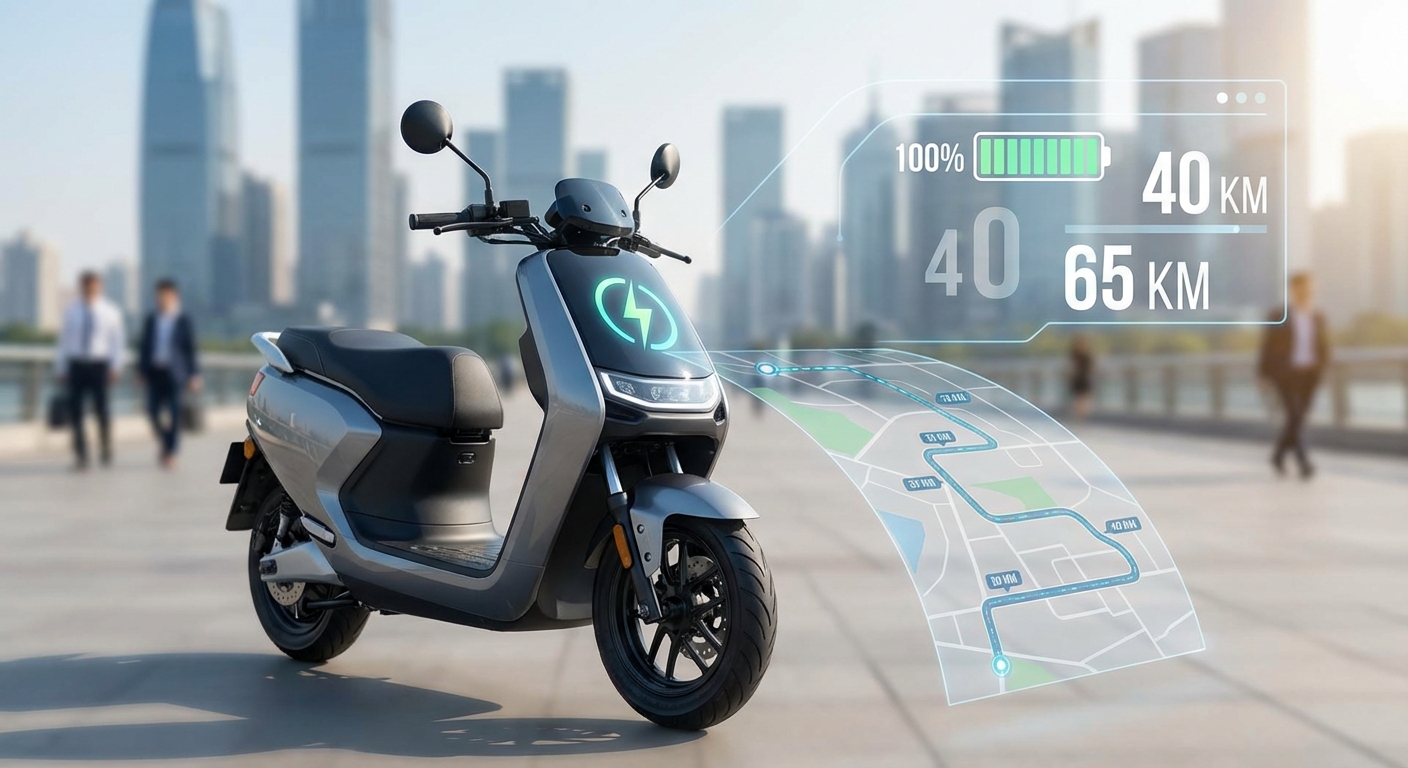
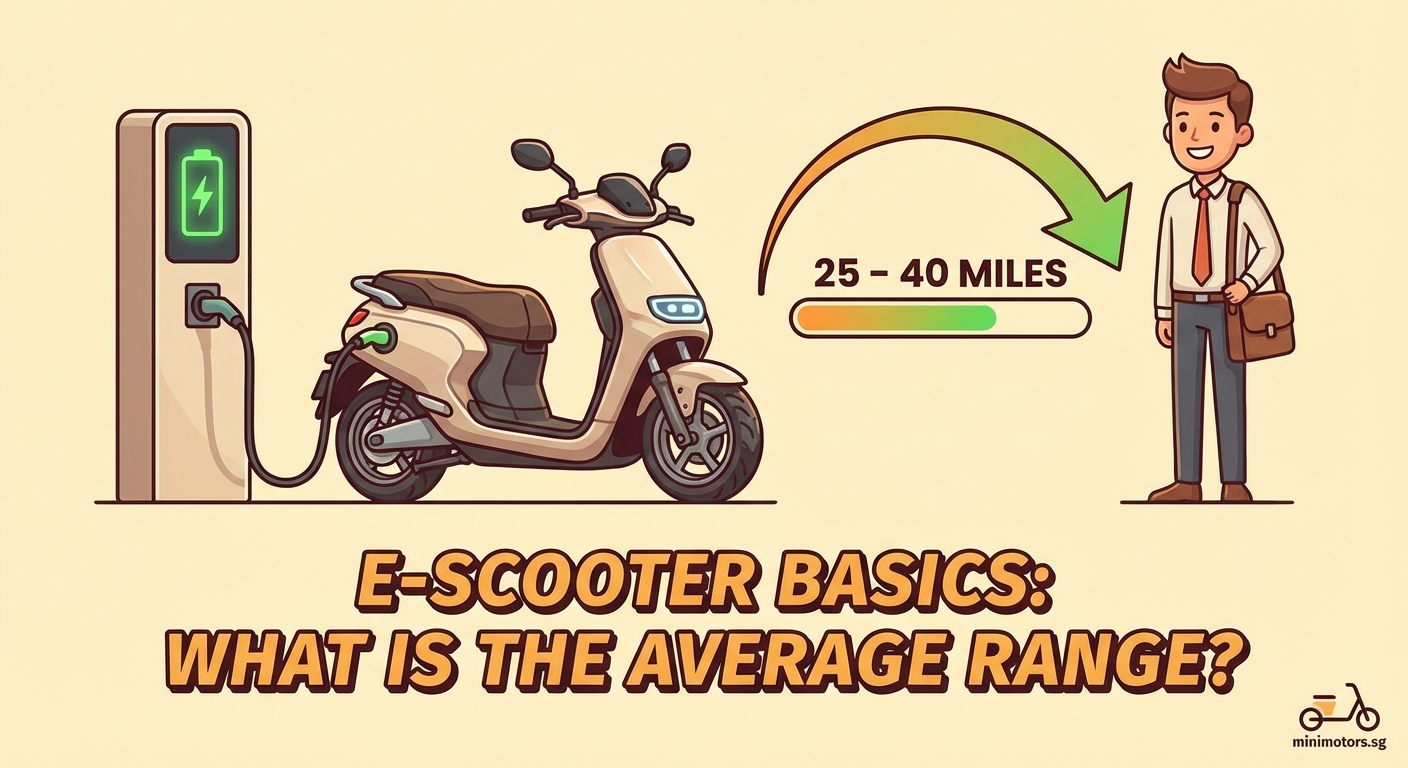
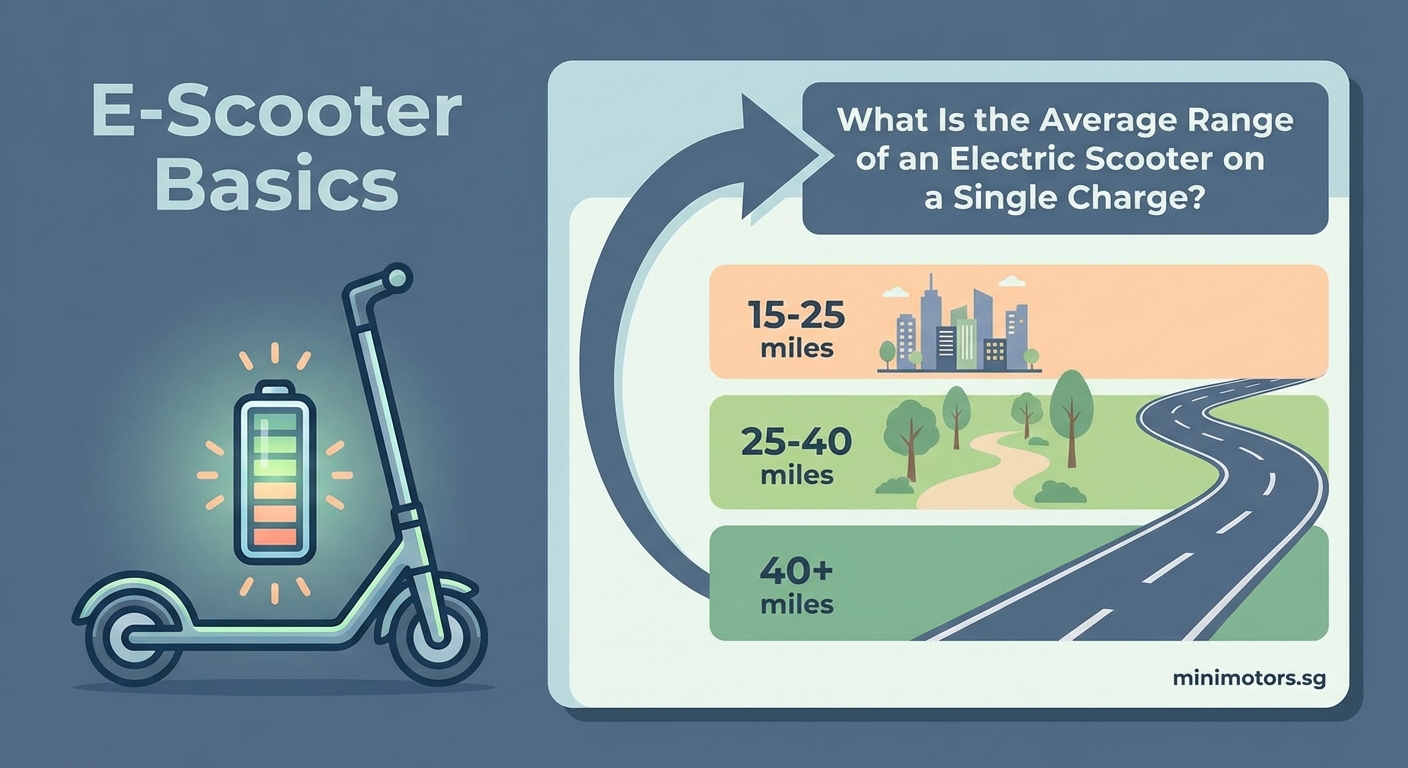
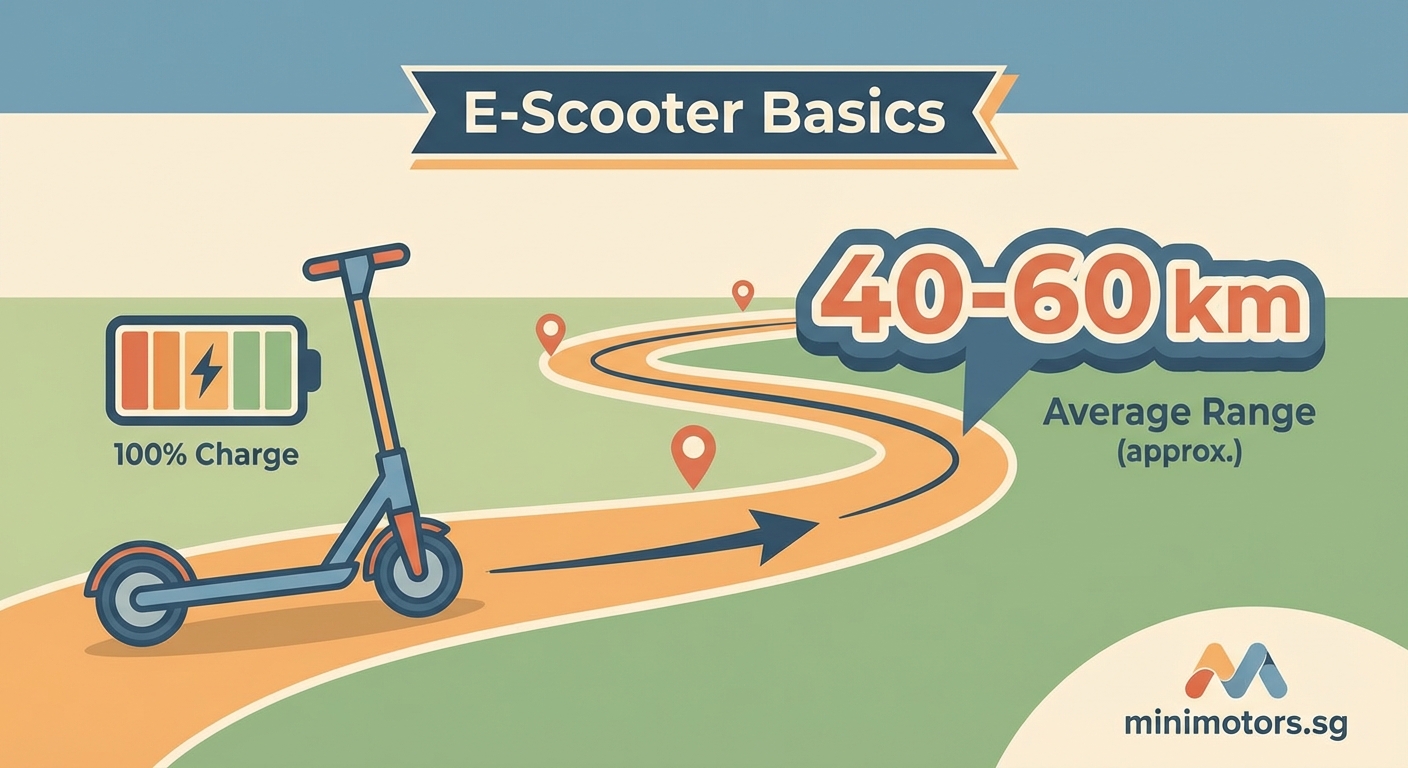
Most electric scooters travel between 15 to 40 miles per charge, depending on battery capacity, motor power, rider weight, terrain, and speed. Budget models typically offer 10 to 20 miles, mid-range scooters deliver 20 to 30 miles, while premium models can exceed 40 miles. Real-world conditions like hills, wind, and riding style significantly impact actual range compared to manufacturer specifications.
Understanding Electric Scooter Range Basics
Electric scooter range isn’t a fixed number.
Manufacturers advertise maximum distances, but real-world performance varies wildly based on dozens of factors. A scooter rated for 30 miles might only give you 18 miles if you’re riding uphill in cold weather.
Battery capacity, measured in watt-hours (Wh), determines your baseline range. A 250Wh battery stores less energy than a 500Wh battery, plain and simple.
But here’s where it gets interesting: two scooters with identical batteries can deliver completely different ranges based on motor efficiency, weight, and aerodynamics.
Most commuter scooters fall into three categories:
- Budget models (250-350Wh): 10 to 20 miles
- Mid-range models (400-600Wh): 20 to 30 miles
- Premium models (700Wh+): 30 to 60+ miles
Your actual mileage depends on how you ride, where you ride, and what you’re carrying.
Factors That Dramatically Affect Your Range
Rider Weight and Cargo
Every pound matters.
A 150-pound rider will travel significantly farther than a 220-pound rider on the same scooter. Add a backpack with a laptop, groceries, or gym gear, and you’re burning through battery even faster.
Weight impacts acceleration, hill climbing, and overall efficiency. Manufacturers typically test range with a 165-pound rider on flat ground at moderate speeds.
If you’re heavier or regularly carry cargo, expect 20 to 30% less range than advertised.
Terrain and Elevation Changes
Flat city streets are your battery’s best friend.
Hills are battery killers. Climbing even a moderate incline can cut your range in half. A scooter that cruises 25 miles on flat ground might only manage 12 miles on hilly terrain.
Rough pavement, gravel, and uneven surfaces also drain batteries faster than smooth asphalt. Your motor works harder to maintain speed over bumps and cracks.
If your commute includes bridges, overpasses, or steep streets, factor in at least 25% less range.
Speed and Acceleration Habits
Going full throttle constantly destroys your range.
Most scooters are most efficient at 12 to 15 mph. Push past 20 mph and your battery drains exponentially faster due to wind resistance and motor strain.
Aggressive acceleration from every stop light also burns unnecessary energy. Smooth, gradual acceleration preserves battery life significantly better than jackrabbit starts.
Think of it like highway versus city driving in a car. Constant speed changes eat fuel.
Weather Conditions
Cold weather is brutal on lithium-ion batteries.
Below 50°F, battery chemistry slows down, reducing available capacity by 20 to 40%. In freezing temperatures, you might lose half your expected range.
Wind resistance also matters more than you’d think. A strong headwind can reduce range by 15 to 20%, while a tailwind extends it.
Rain doesn’t directly impact range, but riding more cautiously at lower speeds can actually help you go farther. Just make sure your scooter has proper waterproof protection before riding in wet conditions.
Real-World Range by Scooter Category
| Scooter Type | Battery Size | Advertised Range | Real-World Range | Best Use Case |
|---|---|---|---|---|
| Budget commuter | 250-350Wh | 15-20 miles | 10-15 miles | Short trips under 5 miles |
| Standard commuter | 400-500Wh | 20-30 miles | 15-22 miles | Daily commutes 5-10 miles |
| Long-range commuter | 600-800Wh | 30-45 miles | 22-35 miles | Extended commutes 10-15 miles |
| Premium/dual battery | 1000Wh+ | 45-70 miles | 35-55 miles | All-day riding, delivery work |
These numbers assume average conditions: 165-pound rider, flat to moderate terrain, 60°F weather, mixed speeds.
Your results will vary.
How to Calculate Your Personal Range Needs
Start with your actual commute distance.
- Measure your one-way commute using Google Maps or your phone’s GPS.
- Double it for a round trip (unless you can charge at work).
- Add 25% buffer for detours, weather, and battery degradation.
- Consider any mid-trip errands or stops.
For example, if your commute is 6 miles each way, that’s 12 miles total. Add 25% buffer (3 miles) for a minimum required range of 15 miles.
You’d want a scooter rated for at least 20 to 25 miles to comfortably handle this commute without range anxiety.
Never plan to use 100% of your battery regularly. Consistently draining to empty accelerates battery degradation. Aim to end each ride with 20 to 30% charge remaining.
If you need help selecting the right scooter for your specific commute distance, check out our guide on choosing the best e-scooter range for daily commuting.
Extending Your Scooter’s Range
Ride Smarter, Not Harder
Moderate your speed.
Riding at 75% of your scooter’s max speed can extend range by 30% or more. If your scooter tops out at 20 mph, cruising at 15 mph dramatically improves efficiency.
Coast whenever possible. Let momentum carry you instead of constantly throttling. Anticipate stops and ease off the throttle early.
Use eco mode if your scooter has one. Yes, acceleration feels sluggish, but you’ll gain several extra miles per charge.
Optimize Your Scooter’s Setup
Proper tire pressure makes a huge difference.
Under-inflated tires increase rolling resistance, forcing your motor to work harder. Check pressure weekly and maintain manufacturer-recommended PSI.
Remove unnecessary accessories and cargo when possible. Every ounce counts over a long ride.
Keep your scooter clean and well-maintained. Dirt buildup, loose brakes, and worn bearings all create drag that wastes battery power. Follow a regular maintenance schedule to keep everything running efficiently.
Take Advantage of Regenerative Braking
Many modern scooters feature regenerative braking that converts kinetic energy back into battery charge when you slow down.
It won’t dramatically extend your range, but it helps. You might gain 5 to 10% extra distance on rides with lots of stops and starts.
Learn more about how regenerative braking works and how to maximize its benefits.
“The difference between advertised range and real-world range often surprises new riders. I always recommend people plan for 70% of the manufacturer’s claimed distance, especially if they live in hilly areas or colder climates. Better to have extra battery than to push your scooter the last mile home.”
Battery Health and Long-Term Range
Your scooter’s range will decrease over time.
Lithium-ion batteries lose capacity with every charge cycle. After 300 to 500 full cycles, expect 70 to 80% of original capacity. That 30-mile scooter might only deliver 21 to 24 miles after two years of daily use.
This degradation is normal and unavoidable, but you can slow it down significantly.
Avoid these battery killers:
- Storing at full charge for extended periods
- Letting the battery fully discharge regularly
- Charging in extreme temperatures
- Using cheap third-party chargers
- Leaving it plugged in for days after reaching 100%
Store your scooter at 50 to 60% charge if you won’t ride for more than a week. Charge to 80% for daily use and only top off to 100% when you need maximum range.
Temperature matters during charging too. Let your battery warm up or cool down to room temperature before plugging in after a ride.
For detailed guidance on preserving battery health, read our article on common mistakes that kill e-scooter batteries.
When Advertised Range Doesn’t Match Reality
Manufacturer range claims can be misleading.
They test under ideal laboratory conditions: lightweight rider, perfect temperature, smooth surface, optimal speed, no wind, no stops. Real life never matches these conditions.
Some brands are more honest than others. Look for companies that publish testing methodology and real-world range estimates.
Read user reviews carefully. If dozens of riders report getting 15 miles on a scooter advertised for 25 miles, that’s your actual expectation.
Before purchasing, ask yourself:
- What’s the battery capacity in watt-hours?
- What do verified owners report for real-world range?
- Does the manufacturer offer conservative or aggressive estimates?
- What’s included in the warranty regarding battery performance?
Understanding realistic expectations prevents disappointment and helps you choose the right model for your needs. If you’re still deciding between different scooter types, our comparison of commuter versus off-road e-scooters might help clarify your priorities.
Common Range Misconceptions
Myth: Dual motors always mean less range.
Not necessarily. While dual motors consume more power under acceleration, many dual-motor scooters have larger batteries that compensate. Some even achieve better efficiency by distributing power between two motors instead of overworking one.
Myth: You should always fully drain your battery.
This advice applied to old nickel-cadmium batteries, not modern lithium-ion. Regularly draining to 0% actually harms battery health. Aim to keep charge between 20% and 80% for daily use.
Myth: Heavier scooters always have better range.
Weight correlates with battery size, but not perfectly. A lightweight scooter with a 500Wh battery will typically go farther than a heavy scooter with the same capacity because the motor works less to move it.
Myth: You can’t improve range after purchase.
False. Riding habits, maintenance, and proper charging practices can improve real-world range by 20 to 30% compared to careless use of the same scooter.
Planning Multi-Stop Trips
Longer trips require strategy.
Map out charging opportunities along your route. Some coffee shops, libraries, and public spaces offer outlets where you can top up during a break.
A 30-minute charge might give you 30 to 50% battery, enough for several extra miles. Most scooters charge fastest in the first hour, slowing down as they approach full capacity.
Carry your charger if you’ll be gone all day. A compact backpack designed for e-scooter commuting can hold your charger, lock, and daily essentials comfortably.
Consider your route elevation profile. If possible, arrange your trip so major climbs happen when your battery is fullest. Tackle hills early, coast downhill later.
Range Versus Other Priorities
Range isn’t everything.
A scooter with 50-mile range doesn’t help if it’s too heavy to carry upstairs or too bulky to store under your desk. Balance range against portability, weight, and convenience.
For short urban commutes under 5 miles, a compact scooter with 15-mile range might serve you better than a heavy long-range model. You’ll appreciate the lighter weight every time you fold it or carry it onto a bus.
For longer suburban or rural commutes, range becomes critical. Running out of battery miles from home isn’t just inconvenient, it’s potentially unsafe.
Match your scooter to your actual needs, not aspirational “what if” scenarios. Be honest about how far you’ll really ride regularly.
If you’re just starting out and feeling overwhelmed by options, our complete beginner’s guide to choosing your first electric scooter covers all the essential factors beyond just range.
Making Range Work for Your Lifestyle
Most riders overestimate how far they’ll actually travel.
Track your first few weeks of riding. Note distances, battery consumption, and conditions. You’ll quickly learn your scooter’s real-world capabilities and develop an intuitive sense of remaining range.
Establish a charging routine. Plug in every night like you would a phone, and you’ll rarely worry about range. Treat it like brushing your teeth, automatic and habitual.
Keep a backup plan for emergencies. Know which bus or train routes parallel your commute. Save a rideshare app on your phone. Having options reduces anxiety about running out of battery.
Consider a second charger for work if your commute pushes your scooter’s limits. Charging during an eight-hour workday gives you a full battery for the ride home and eliminates range concerns entirely.
Getting the Most Distance From Every Charge
Understanding how far your electric scooter can go on one charge starts with knowing the specs, but mastery comes from experience. Every ride teaches you something about battery consumption, terrain impact, and optimal riding techniques.
Start conservative. Assume you’ll get 70% of advertised range until you prove otherwise through real-world testing. Gradually push boundaries as you gain confidence in your scooter’s capabilities and your ability to manage battery life.
Your scooter’s range is ultimately a partnership between the machine and how you ride it. Choose wisely, ride smart, and you’ll never find yourself stranded.
