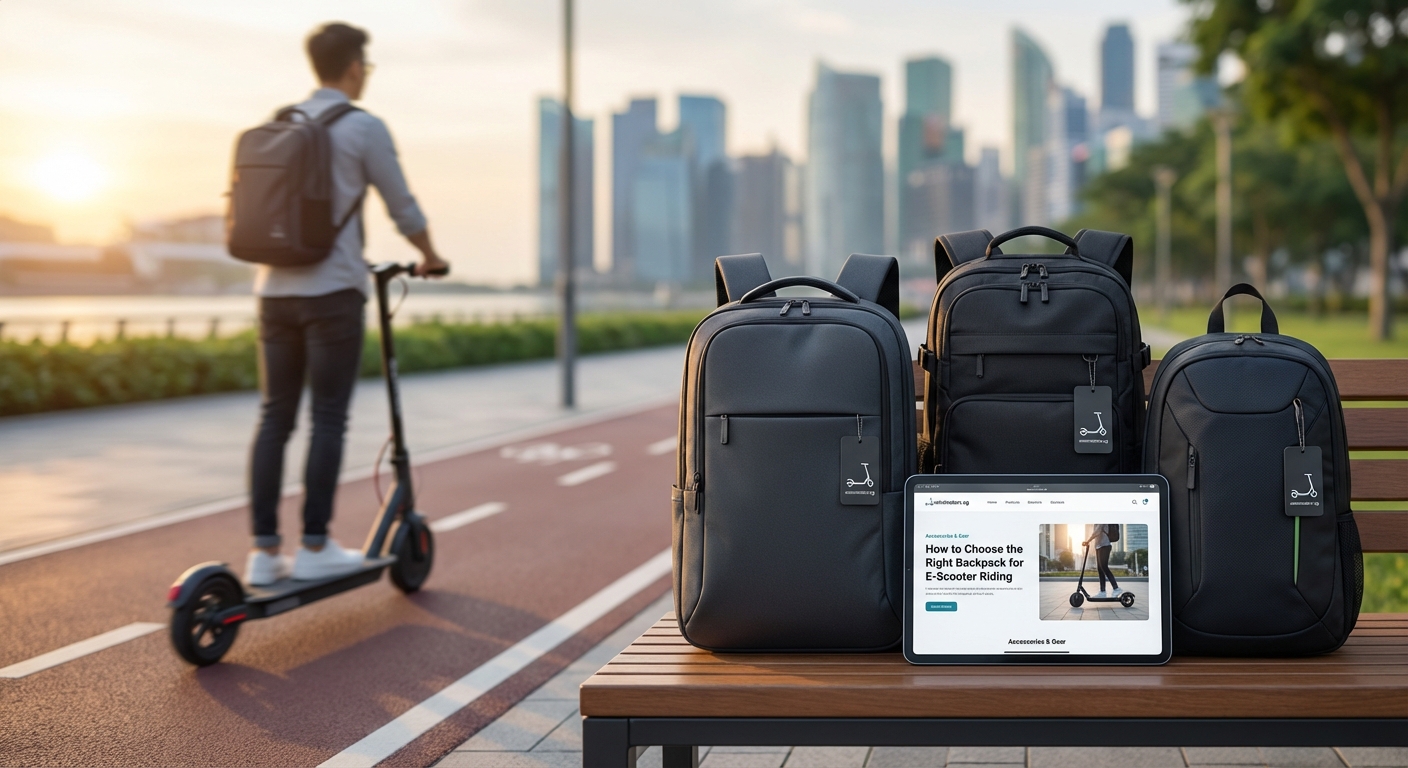
How to Choose the Right Backpack for E-Scooter Riding
Choosing the right backpack for your electric scooter commute isn’t just about style. It’s about safety, comfort, and making sure your stuff arrives intact after weaving through traffic and navigating bumpy bike lanes.
The wrong bag can throw off your balance, dig into your shoulders, or swing around dangerously when you brake. The right one? You’ll barely notice it’s there.
The best backpack for electric scooter riders features a snug, stable fit with chest and waist straps, weather-resistant materials, reflective elements for visibility, and enough capacity for daily essentials without adding bulk. Prioritize comfort and security over size to maintain balance and control while riding at speed.
Why your regular backpack isn’t built for e-scooter riding
Most backpacks are designed for walking or sitting at a desk. They’re not made to handle the vibrations, sudden stops, and leaning motions that come with riding an electric scooter.
When you accelerate or brake hard, a loose backpack shifts your center of gravity. That split second of imbalance can be the difference between a smooth ride and a close call.
Traditional school or laptop bags also lack the stability features you need. They bounce. They swing. They make you work harder to stay balanced.
Riders who choose their first electric scooter carefully often overlook the gear that makes daily commuting sustainable.
Core features that define the best backpack for electric scooter commuters
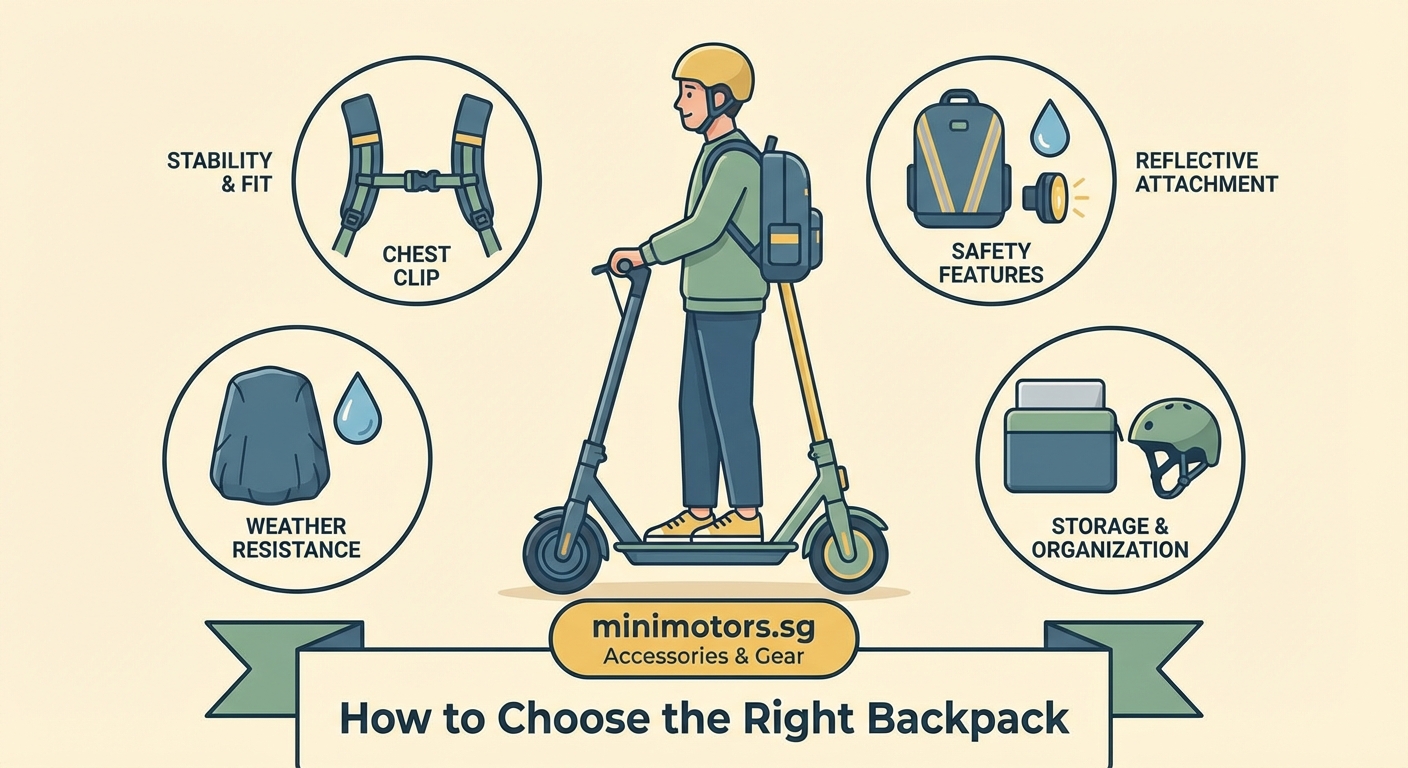
Not every feature matters equally. Here’s what actually makes a difference when you’re riding daily.
Stability and fit
A backpack that moves independently from your body is a safety hazard. Look for:
- Chest straps that lock the bag to your torso
- Waist or hip belts that distribute weight evenly
- Padded shoulder straps that won’t dig in during longer rides
- Compression straps to cinch down the load
The bag should feel like part of you, not like a passenger.
Weather resistance
Rain happens. Sometimes without warning.
Water-resistant materials (not just water-repellent coatings) keep your laptop, phone, and documents dry. Look for:
- Sealed or welded seams
- YKK water-resistant zippers
- Roll-top closures for maximum protection
- Included rain covers for heavy downpours
If you’re riding in the rain, a wet backpack adds weight and discomfort.
Visibility and safety
Drivers don’t always see scooter riders, especially at dusk or in bad weather.
Reflective strips, panels, or piping on your backpack make you visible from multiple angles. Some bags include:
- 360-degree reflective elements
- Built-in LED light loops
- High-visibility color options (neon yellow, orange, reflective silver)
Pair this with night riding safety practices for maximum protection.
Capacity without bulk
You need room for a laptop, charger, lunch, and maybe a light jacket. But oversized bags catch wind and throw off your aerodynamics.
Aim for 15 to 25 liters for daily commuting. That’s enough for:
- 13 to 15-inch laptop
- Water bottle
- Small toiletry kit
- Change of clothes or rain gear
Anything larger becomes unwieldy at speed.
How to choose the right backpack size and style
Backpack capacity is measured in liters. Here’s how different sizes translate to real-world use.
| Capacity | Best For | Typical Contents |
|---|---|---|
| 10-15L | Minimalist commuters | Tablet, wallet, keys, snacks |
| 15-20L | Standard daily rides | Laptop, charger, lunch, light jacket |
| 20-25L | Longer commutes or gym trips | Work gear plus gym clothes and shoes |
| 25L+ | Multi-day or heavy loads | Not recommended for daily scooter riding |
Bigger isn’t better. A half-empty 30-liter bag will bounce and shift more than a fully packed 18-liter bag.
Backpack vs. messenger bag vs. sling
Each style has trade-offs.
Backpacks distribute weight across both shoulders. They’re the most stable option for e-scooter riders.
Messenger bags sit across one shoulder. They’re easier to swing around for access but create an uneven load. Not ideal for longer rides or higher speeds.
Sling bags are compact and accessible but offer minimal capacity. Good for ultra-light commutes (phone, wallet, keys only).
For most riders, a well-fitted backpack wins.
Step-by-step process to test a backpack before buying
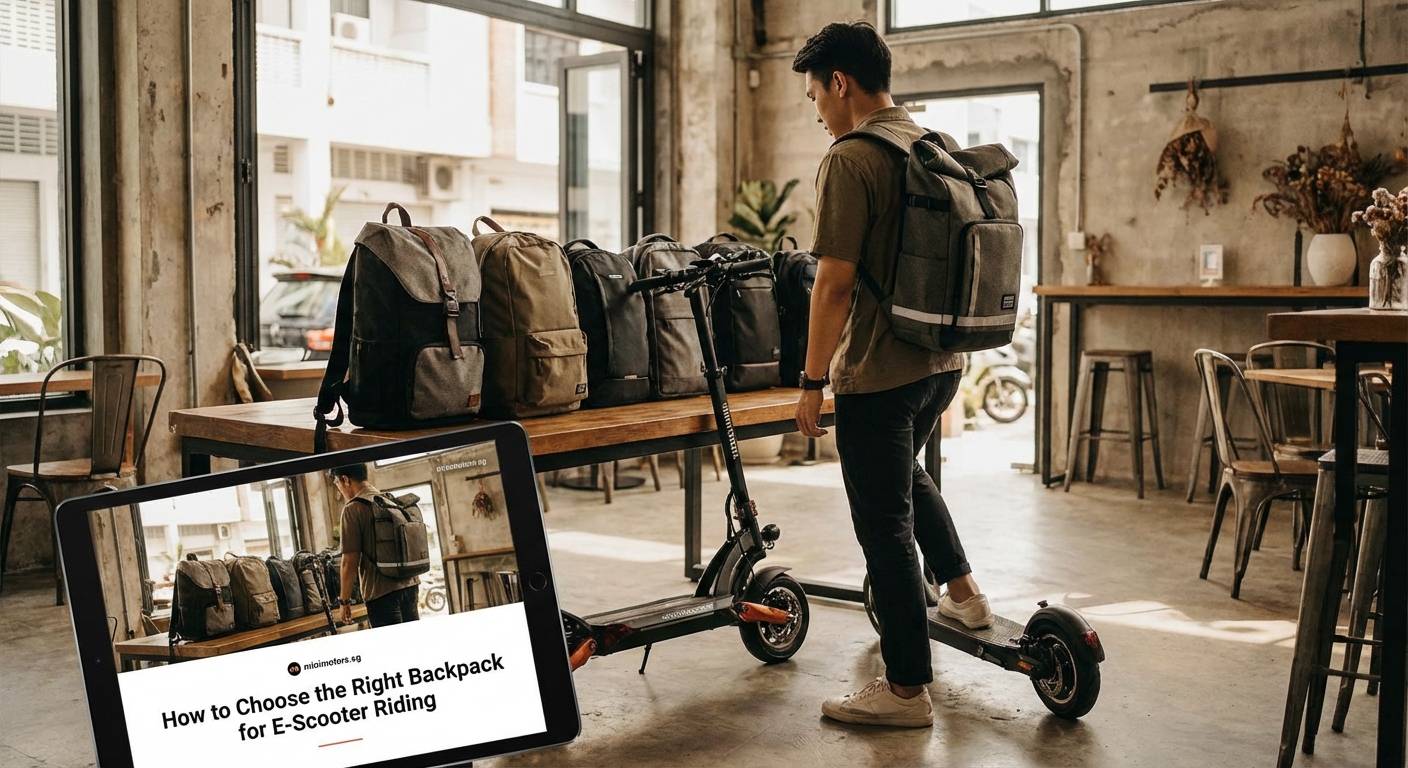
Don’t buy based on looks alone. Here’s how to evaluate whether a bag will work for your commute.
- Load the backpack with the actual weight you’ll carry daily (laptop, water bottle, etc.).
- Put it on and adjust all straps: shoulders first, then chest, then waist.
- Lean forward as if you’re riding. Does the bag stay put or slide up toward your head?
- Twist your torso left and right. Does the bag move independently or stay locked to your body?
- Jump up and down a few times. Excessive bouncing means the fit isn’t tight enough.
- Check if you can reach the zippers without taking the bag off. Some bags have side-access pockets for phones or keys.
If the bag shifts during any of these tests, keep looking.
Common mistakes that ruin backpack performance on e-scooters
Even a great backpack can fail if you use it wrong.
Overpacking. Extra weight raises your center of gravity and makes the scooter harder to control. Pack only what you need.
Ignoring strap adjustments. Loose straps let the bag bounce. Tighten everything before each ride.
Skipping the chest strap. It’s the single most important feature for stability. Use it every time.
Wearing the bag too low. The weight should sit high on your back, not sagging toward your hips. Adjust shoulder straps so the top of the bag is level with your shoulders.
Choosing fashion over function. A sleek leather bag might look sharp, but if it doesn’t have compression straps or weather resistance, it’s a bad fit for daily scooter commuting.
Material choices and durability considerations
Backpack materials determine how long the bag lasts and how well it performs in different conditions.
Nylon (ballistic or ripstop): Lightweight, durable, and often water-resistant. Common in commuter and outdoor bags.
Polyester: Affordable and weather-resistant, but less durable than nylon over time.
Canvas or waxed cotton: Stylish and sturdy, but heavier and slower to dry when wet.
TPU-coated fabrics: Fully waterproof. Ideal for riders in rainy climates.
Check the denier rating (e.g., 500D, 1000D). Higher numbers mean thicker, more abrasion-resistant fabric.
Zippers matter too. YKK zippers are the industry standard for reliability. Cheap zippers fail after a few months of daily use.
What to pack in your e-scooter commuter backpack
Carrying the right items makes your ride smoother and safer.
Daily essentials
- Phone and charger
- Wallet and keys
- Water bottle (hydration matters, especially in summer)
- Sunglasses or clear glasses (wind protection)
- Small first-aid kit (band-aids, pain relievers)
Weather and safety gear
- Compact rain jacket or poncho
- Reflective vest or armband (if your bag lacks reflective features)
- Small bike lock (if you need to secure your scooter)
- Tire pressure gauge or portable pump (for pneumatic tires)
Riders who follow pre-ride inspection checklists often carry a basic multi-tool as well.
Work or school items
- Laptop or tablet in a padded sleeve
- Chargers and cables
- Notebook or documents
- Lunch or snacks
Avoid packing hard, sharp objects loose in the bag. They can damage electronics or poke through fabric during bumps.
How backpack weight affects e-scooter performance
Extra weight doesn’t just make you tired. It changes how your scooter handles.
A loaded backpack raises your center of gravity. That makes the scooter feel less stable, especially during turns or when riding over uneven pavement.
Heavier loads also reduce your scooter’s range. The motor works harder to move the combined weight of you and your gear. Depending on your scooter model and battery capacity, a heavy backpack can cut 10 to 15 percent off your range.
If you regularly carry more than 10 pounds, consider whether a rear rack or basket might be a better option. Some riders use a combination: backpack for valuables, rack for heavier items like groceries.
Expert tip: Weigh your packed backpack before your commute. If it’s over 15 pounds, rethink what you’re carrying. Your shoulders and your scooter will thank you.
Backpack features that enhance convenience during commutes
Small details make a big difference over time.
Laptop compartments with suspension: Protects your device from bumps and vibrations.
External water bottle pockets: Keep drinks accessible without stopping.
Key clips or small pockets: No more digging through the main compartment at red lights.
Helmet attachment loops: Useful if you need to carry your helmet when you’re not riding.
USB charging ports: Some bags include built-in battery packs with external USB ports. Handy for topping up your phone on the go.
Ventilated back panels: Reduces sweat buildup during warm weather rides.
These aren’t must-haves, but they improve daily usability.
Reflective and visibility upgrades for existing backpacks
Already own a backpack you love but it lacks reflective elements? You can add them.
Adhesive reflective tape is cheap and effective. Apply strips to:
- Shoulder straps
- Top and bottom edges
- Side panels
Clip-on LED lights or blinkers attach to straps or loops. They’re especially useful for night riding.
Reflective rain covers serve double duty: they keep your gear dry and make you visible in low light.
Maintenance tips to extend your backpack’s lifespan
Daily use wears down even the toughest bags. Proper care keeps them functional longer.
Clean regularly. Wipe down the exterior with a damp cloth weekly. For deeper cleaning, hand wash with mild soap and air dry. Never machine wash unless the manufacturer explicitly allows it.
Inspect zippers and straps monthly. Frayed straps or stuck zippers are early warning signs. Replace or repair before they fail completely.
Store properly. Hang your backpack or store it upright. Leaving it crumpled on the floor weakens seams and fabric.
Reapply water repellent. Water-resistant coatings wear off over time. Spray-on treatments like Nikwax restore protection.
Avoid overloading. Exceeding the bag’s intended capacity stresses seams and zippers. Stick to the recommended weight limit.
Alternatives to backpacks for e-scooter commuters
Backpacks aren’t the only option. Depending on your needs, these alternatives might work better.
Panniers or side bags: Attach to a rear rack. They keep weight off your body entirely, improving comfort and balance. Best for riders who carry heavy or bulky items daily.
Front baskets: Good for groceries or small packages. They lower the center of gravity but can interfere with steering if overloaded.
Handlebar bags: Small pouches for phones, keys, or snacks. Limited capacity but highly accessible.
Waist packs or fanny packs: Carry essentials without upper body bulk. Not ideal for laptops but great for minimalist commuters.
Each option has trade-offs. Many riders use a combination depending on the day’s needs.
Budget considerations and where to invest
Backpacks range from $30 to $300. Where should you spend?
Under $50: Expect basic materials and minimal features. Fine for occasional riders or short commutes.
$50 to $100: The sweet spot for most commuters. You’ll find durable fabrics, water resistance, and stability features.
$100 to $200: Premium materials, advanced weatherproofing, and thoughtful design details. Worth it if you ride daily in all conditions.
Over $200: Specialized bags with cutting-edge materials or brand premiums. Diminishing returns unless you have specific needs (extreme weather, ultra-lightweight, etc.).
Invest in quality if you ride year-round. A $100 bag that lasts five years costs less per use than a $40 bag you replace annually.
How to pack your backpack for optimal balance
Weight distribution affects stability more than total weight.
Place heavy items close to your back. Laptops, books, and water bottles should sit against the panel closest to your spine.
Keep lighter items toward the front. Jackets, snacks, and soft items go in outer compartments.
Distribute weight evenly left to right. Avoid loading one side heavily. It throws off your balance during turns.
Use compression straps. Cinch down the load so nothing shifts mid-ride.
Proper packing makes even a full bag feel manageable.
Backpacks designed specifically for urban mobility
Some brands build bags specifically for scooter and bike commuters. They often include:
- Integrated helmet storage
- Reflective panels on all sides
- Roll-top closures for weather protection
- Modular attachment points for lights or locks
Popular options include:
Ortlieb Commuter Daypack: Fully waterproof roll-top design. Expensive but bombproof.
Chrome Industries Urban Ex Rolltop: Durable, weather-resistant, and designed for bike messengers. Works well for scooter riders too.
Thule Subterra Backpack: Balanced blend of tech protection and outdoor durability.
Herschel Little America (with reflective details): Affordable and stylish, though less rugged than outdoor-focused brands.
Patagonia Refugio Pack: Recycled materials, solid weather resistance, and comfortable fit.
Test before buying if possible. Fit matters more than brand.
Accessories that pair well with your commuter backpack
A few extras can round out your setup.
Rain cover: Even water-resistant bags benefit from an extra layer during heavy rain. Many backpacks include one; if not, buy separately.
Padded laptop sleeve: Adds extra protection if your bag’s built-in compartment is thin.
Cable organizer pouch: Keeps chargers and earbuds tangle-free.
Dry bag or waterproof pouches: For electronics or documents that absolutely can’t get wet.
Portable battery pack: Keeps your phone and scooter accessories charged during long days.
These items don’t need to be expensive. Even budget versions improve convenience.
Adjusting your riding style when carrying a loaded backpack
A full backpack changes your scooter’s handling. Adapt your technique.
Accelerate more gradually. The extra weight makes it harder to balance during sudden speed changes.
Brake earlier. Loaded backpacks add momentum. Give yourself more stopping distance.
Take turns slower. Higher center of gravity means less stability in corners. Lean gently and avoid sharp turns at speed.
Stand with knees slightly bent. This lowers your center of gravity and improves shock absorption.
Avoid sudden lane changes. The bag’s weight makes quick maneuvers harder to control.
Riders who master emergency braking techniques adjust faster to carrying loads.
Seasonal considerations for backpack selection
Your needs change with the weather.
Summer: Prioritize ventilation and lightweight materials. Mesh back panels reduce sweat. Lighter colors reflect heat.
Winter: Look for insulated compartments if you carry electronics. Water resistance becomes critical as rain and slush increase.
Spring and fall: Variable weather demands versatility. A bag with a built-in rain cover handles unexpected showers.
Some riders keep two backpacks: a lightweight summer option and a heavier, weatherproof winter bag.
Legal and safety regulations for carrying items on e-scooters
Most cities don’t regulate backpack use specifically, but some rules apply.
Weight limits: Your scooter has a maximum load capacity. Exceeding it (rider plus cargo) can void warranties or create safety hazards. Check your scooter’s specs.
Visibility requirements: Some regions mandate reflective gear for night riding. A backpack with reflective elements helps you comply.
Helmet laws: If your area requires helmets, make sure your backpack doesn’t interfere with proper fit. Bags that sit too high can push helmets forward.
Riders concerned about legal requirements should verify local rules before commuting.
Real-world testing: what actually matters after 100 rides
Features that sound great in product descriptions don’t always hold up.
Chest straps wear out faster than shoulder straps. Check stitching regularly and replace when frayed.
Water resistance degrades. Even premium bags need reapplication of DWR coatings after months of use.
Zippers fail before fabric. This is why quality zippers matter. Cheap ones jam or break within weeks.
Reflective elements fade. Sunlight and washing reduce visibility over time. Replace or supplement with adhesive tape.
Padding compresses. Laptop compartments lose cushioning after heavy use. Add a separate sleeve if needed.
Buy from brands with good warranty policies. Lifetime guarantees (like those from Chrome or Patagonia) save money long-term.
Making the most of your daily commute with the right gear
The best backpack for electric scooter riding disappears into the background. You don’t think about it because it just works.
It keeps your gear dry, stays stable through turns and stops, and makes you visible to drivers. It doesn’t dig into your shoulders or throw off your balance.
Finding that bag takes a bit of research and testing, but the payoff is worth it. Your commute becomes smoother. Your gear stays safe. And you arrive at work or home without aching shoulders or a sore back.
Start with the features that matter most: stability, weather resistance, and visibility. Test the fit before you buy. And don’t overlook small details like zipper quality and strap adjustability.
Your backpack is as important as choosing the right scooter in the first place. Get it right, and every ride gets a little bit better.
