How Long Do E-Scooter Batteries Actually Last?
You’re standing in a showroom, eyeing that sleek electric scooter, and the salesperson just quoted you a battery price that made you wince. Before you commit, you need to know exactly how many years you’ll get out of that battery pack.
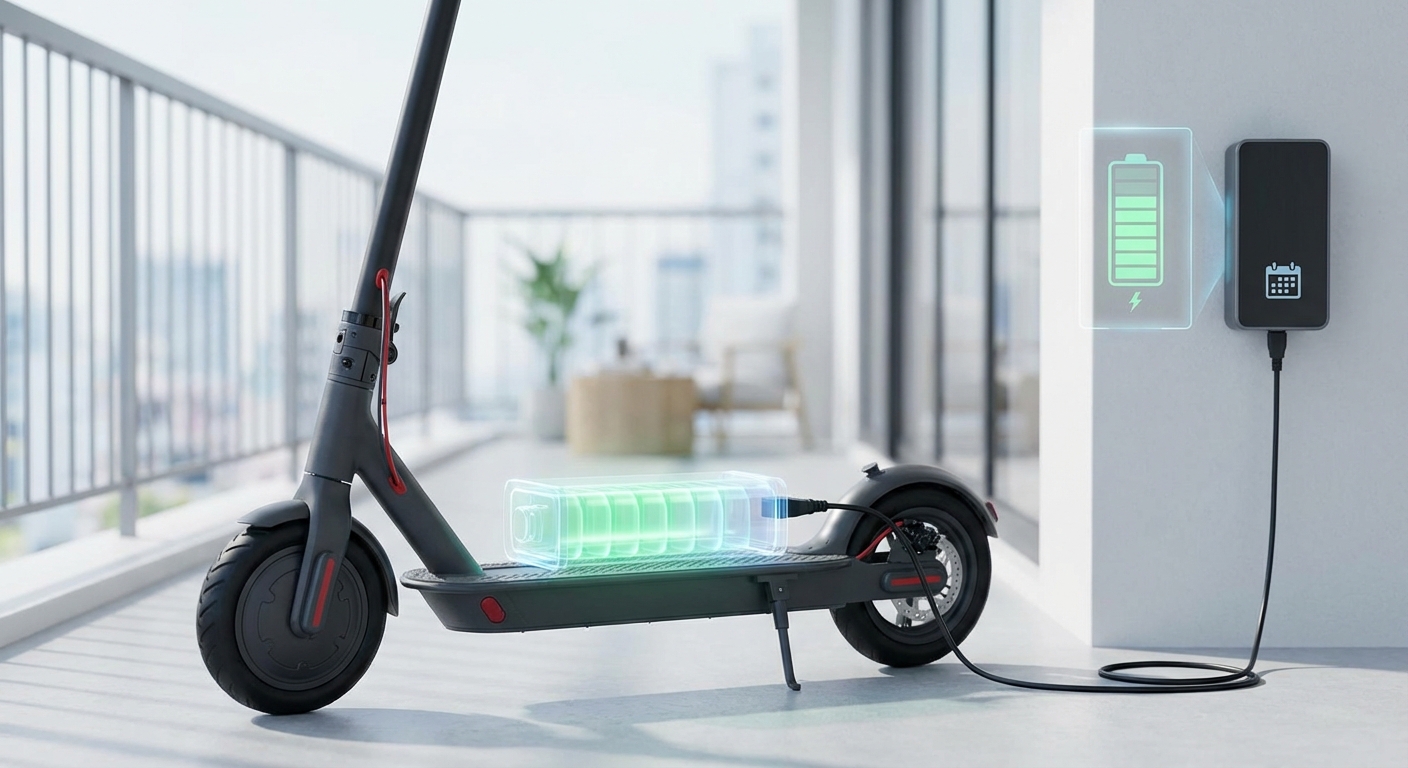
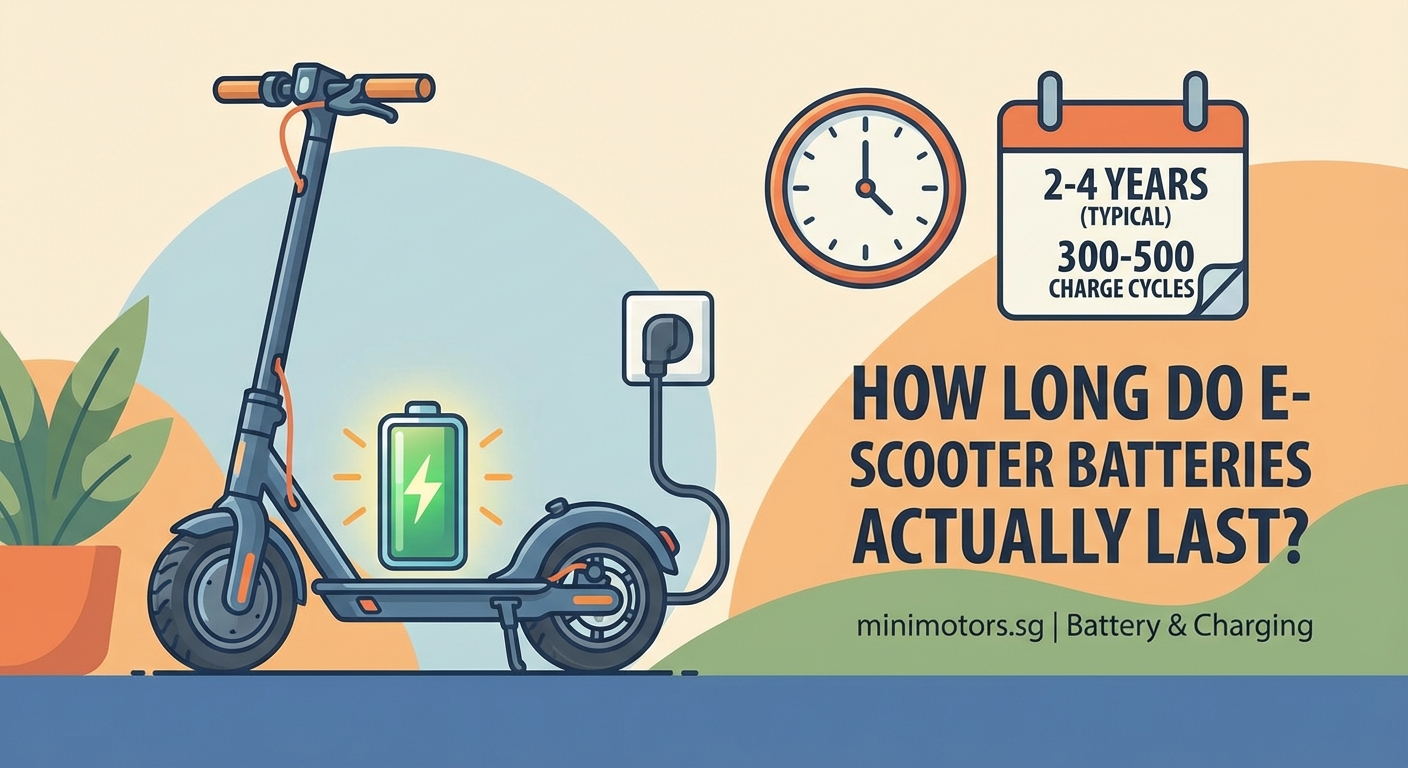
Most electric scooter batteries last between 300 and 1,000 charge cycles, translating to roughly 2 to 4 years of typical use. Lithium-ion batteries power most modern e-scooters and degrade gradually over time. Proper charging habits, storage conditions, and riding patterns significantly impact longevity. Budget models typically offer shorter battery life, while premium scooters with quality cells can exceed 5 years with careful maintenance.
Understanding battery lifespan versus battery life
People often confuse these two terms, but they mean different things.
Battery life refers to how far you can ride on a single charge. That’s your range.
Battery lifespan is how many years the battery remains functional before needing replacement. That’s what we’re covering today.
A brand-new battery might give you 25 miles per charge. After two years of daily commuting, that same battery might only deliver 18 miles. The battery life has decreased, but the battery is still within its usable lifespan.
What determines how long your battery actually lasts
Several factors control whether your battery dies after 18 months or keeps going strong for five years.
Battery chemistry and quality
Lithium-ion batteries dominate the e-scooter market. Within this category, quality varies dramatically.
Premium scooters use high-grade cells from manufacturers like LG, Samsung, or Panasonic. Budget models often use cheaper cells from unknown suppliers.
The difference shows up in longevity. Quality cells maintain 80% capacity after 500 to 1,000 cycles. Cheap cells might hit that degradation point at 300 cycles or less.
Charge cycles and depth of discharge
One charge cycle equals draining your battery from 100% to 0% and back to 100%.
Here’s the catch: partial charges count as partial cycles. If you drain to 50% and recharge, that’s half a cycle.
Deep discharges stress batteries more than shallow ones. Draining to 10% regularly wears your battery faster than stopping at 30%.
Temperature also plays a role. Charging in extreme heat or cold accelerates degradation. Your battery prefers room temperature, ideally between 50°F and 77°F.
How you ride matters more than you think
Aggressive acceleration and constant top-speed riding drain batteries faster and generate more heat.
Smooth, moderate riding keeps temperatures lower and extends both range and lifespan.
Carrying heavy loads or climbing steep hills regularly also increases stress on the battery pack.
Real-world battery lifespan expectations
Let’s talk numbers based on actual usage patterns.
| Usage Pattern | Estimated Lifespan | Charge Cycles | Notes |
|---|---|---|---|
| Daily commuter (10 miles/day) | 2-3 years | 400-600 | Frequent charging, moderate wear |
| Weekend rider (occasional use) | 4-5 years | 200-400 | Less frequent cycling extends life |
| Heavy user (20+ miles/day) | 1.5-2.5 years | 600-1,000 | High cycle count, faster degradation |
| Casual rider (few times/month) | 3-4 years | 150-300 | Low usage but calendar aging applies |
These estimates assume proper charging habits and storage. Mistreatment can cut these numbers in half.
Signs your battery is approaching end of life
Batteries don’t die suddenly. They give you warnings.
Watch for these indicators:
- Range drops below 60% of original capacity
- Battery drains noticeably faster than when new
- Charging takes significantly longer than usual
- Battery feels unusually hot during charging or riding
- Voltage sags dramatically under load
- Physical swelling or deformation of the battery case
That last one is serious. A swollen battery poses safety risks. Stop using it immediately.
How to maximize your battery’s lifespan
You can’t prevent degradation entirely, but you can slow it down considerably.
Follow these charging best practices
- Keep your battery between 20% and 80% charge when possible
- Avoid leaving the battery at 100% for extended periods
- Never store a completely drained battery
- Use the manufacturer’s charger or a certified replacement
- Charge at room temperature whenever feasible
- Unplug once fully charged rather than leaving it connected
These habits reduce stress on the cells and preserve capacity longer. If you’re wondering about overnight charging safety, modern scooters include protection circuits, but unplugging when full remains ideal.
Storage conditions make or break longevity
Planning to store your scooter for winter or an extended period? Do it right.
Charge the battery to approximately 50% before storage. This voltage level minimizes degradation during dormancy.
Store in a cool, dry location. Basements work better than garages in hot climates. Avoid freezing temperatures.
Check the battery every month and top it up if it drops below 40%. Complete discharge during storage can permanently damage cells.
For detailed winter storage guidance, check out our guide on storing your battery during long breaks.
Riding habits that preserve battery health
Gentle acceleration uses less power and generates less heat than jackrabbit starts.
Maintain moderate speeds. Constant maximum-speed riding stresses the battery and motor.
Plan routes that minimize steep climbs when possible. Hills drain batteries faster and create more heat.
Keep tire pressure at recommended levels. Under-inflated tires increase rolling resistance and battery drain.
Common mistakes that kill batteries early
People make these errors without realizing the damage.
- Leaving the scooter in a hot car: Temperatures above 95°F accelerate degradation rapidly
- Riding immediately after charging: Batteries need a few minutes to cool down
- Ignoring low battery warnings: Deep discharges below 10% cause permanent capacity loss
- Using fast chargers constantly: Rapid charging generates heat and shortens lifespan
- Storing at full charge: Keeping cells at 100% for months damages them
Avoiding these battery-killing mistakes can add years to your battery’s functional life.
When replacement makes sense versus buying new
Battery replacement costs vary widely, from $150 for budget models to $800+ for premium scooters.
Compare that cost to a new scooter price. If the battery costs more than 50% of a comparable new model, replacement might not make financial sense.
Consider the scooter’s overall condition too. Worn tires, brake pads, and other components might need replacement soon anyway.
Age matters. If your scooter is already four years old, other components are likely approaching end of life. A new scooter might be the smarter investment.
For newer scooters in good condition, battery replacement extends useful life significantly and costs less than buying new.
“The most expensive battery is the one you replace prematurely. Proper maintenance can double the lifespan of most lithium-ion battery packs, saving hundreds of dollars over the scooter’s lifetime.”
Budget versus premium battery longevity
Price correlates strongly with battery quality and lifespan.
Scooters under $500 typically use lower-grade cells that last 300 to 500 cycles. That translates to 18 to 30 months for daily commuters.
Mid-range models ($500 to $1,200) often feature better cells rated for 500 to 700 cycles, lasting 2 to 3.5 years with regular use.
Premium scooters ($1,200+) usually include top-tier cells capable of 800 to 1,000+ cycles, potentially lasting 4 to 5 years or more.
If you’re shopping for your first scooter and battery life matters, our beginner’s guide covers what to look for.
What to do when your battery won’t hold a charge
Sometimes batteries fail prematurely or stop charging entirely.
Before assuming the battery is dead, check these items:
- Verify the charger works (test with a multimeter if possible)
- Inspect charging port for debris or damage
- Ensure battery connections are clean and tight
- Check for blown fuses in the scooter’s electrical system
- Test in different temperature conditions
If the battery still won’t charge after these checks, it likely needs professional diagnosis or replacement. Our troubleshooting guide on batteries that won’t hold a charge walks through additional diagnostic steps.
Future battery technology and what it means for you
Battery technology continues improving rapidly.
Solid-state batteries promise higher energy density, faster charging, and longer lifespans. Some manufacturers claim 2,000+ cycle ratings.
These breakthrough technologies are entering the market now, though at premium prices.
Swappable battery systems are gaining traction too. Instead of waiting hours for a charge, you simply swap in a fresh battery. This approach could fundamentally change how we think about battery lifespan and ownership.
Getting the most years from your investment
Your e-scooter battery represents a significant portion of the vehicle’s value.
Treat it well and it’ll serve you for years. Neglect it and you’ll be shopping for replacements far sooner than necessary.
The difference between a battery lasting two years versus five often comes down to simple habits: charging between 20% and 80%, storing at moderate temperatures, and avoiding extreme discharge cycles.
These practices cost nothing but attention. The payoff is measured in hundreds of dollars saved and thousands of miles enjoyed before replacement becomes necessary.
