What Should You Wear When Riding an E-Scooter Daily?
Choosing the right outfit for your daily e-scooter commute isn’t just about looking good. It’s about staying safe, comfortable, and prepared for whatever the road throws at you. The clothes you wear can mean the difference between a smooth ride and a painful lesson.
Daily e-scooter riders need protective gear that balances safety with practicality. Essential items include a certified helmet, closed-toe shoes with grip, weather-appropriate layers, and visible clothing. Avoid loose garments that can catch in wheels. Smart clothing choices protect against falls, weather, and visibility issues while keeping you comfortable during commutes up to an hour long.
Start with the helmet you’ll actually wear
Your helmet matters more than any other piece of gear.
But here’s the truth: the safest helmet is the one you’ll wear every single day. Not the one sitting in your closet because it’s uncomfortable.
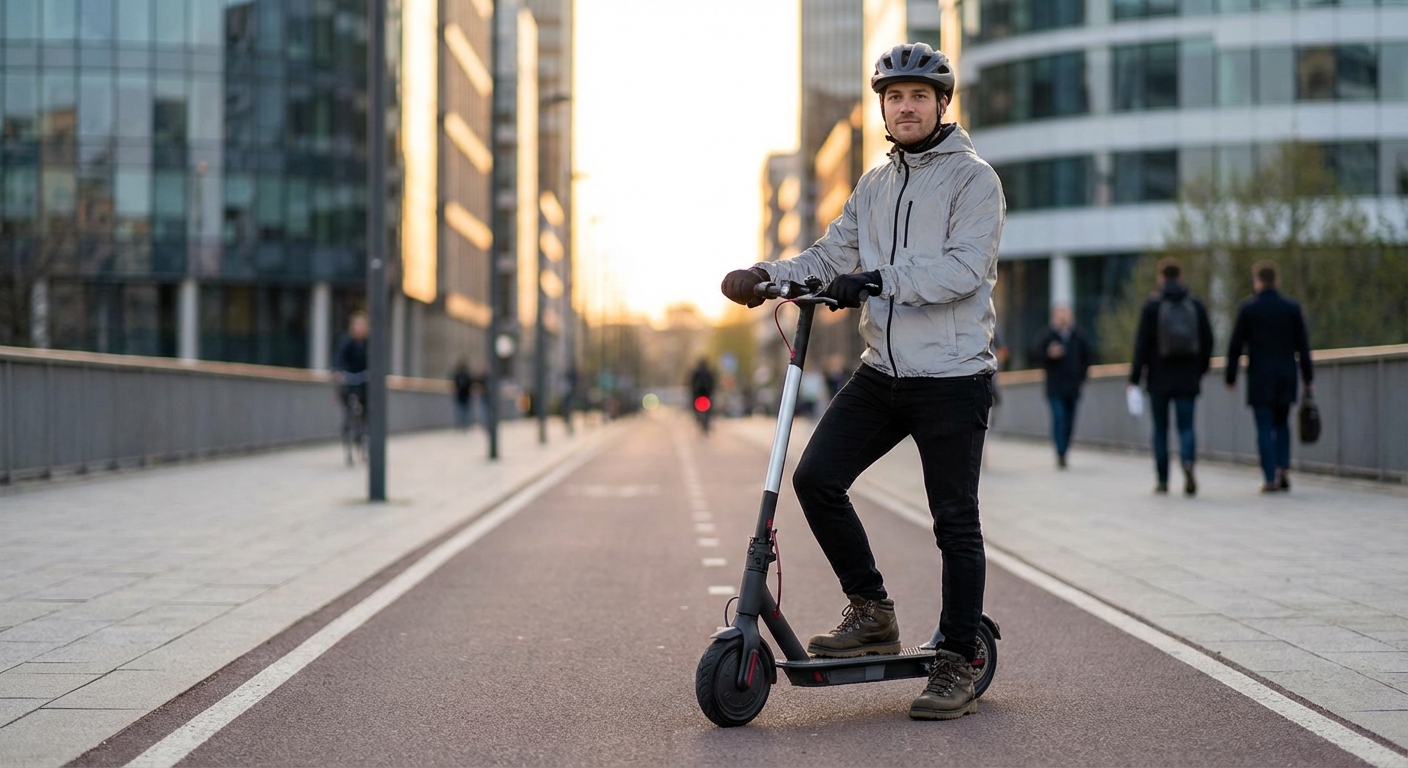
Look for helmets with CPSC or EN 1078 certification. These meet minimum safety standards for impact protection. Weight matters too. Anything over 400 grams starts feeling heavy after 20 minutes.
Ventilation keeps you from arriving at work looking like you just finished a workout. Multiple vents help air flow without compromising protection.
Fit should feel snug but not tight. The helmet shouldn’t move more than an inch in any direction when you shake your head. Most models come with adjustable sizing systems and removable padding.
A properly fitted helmet reduces head injury risk by 60% in e-scooter accidents. Make sure yours sits level on your head, covering your forehead, with straps forming a V under each ear.
Footwear that grips and protects
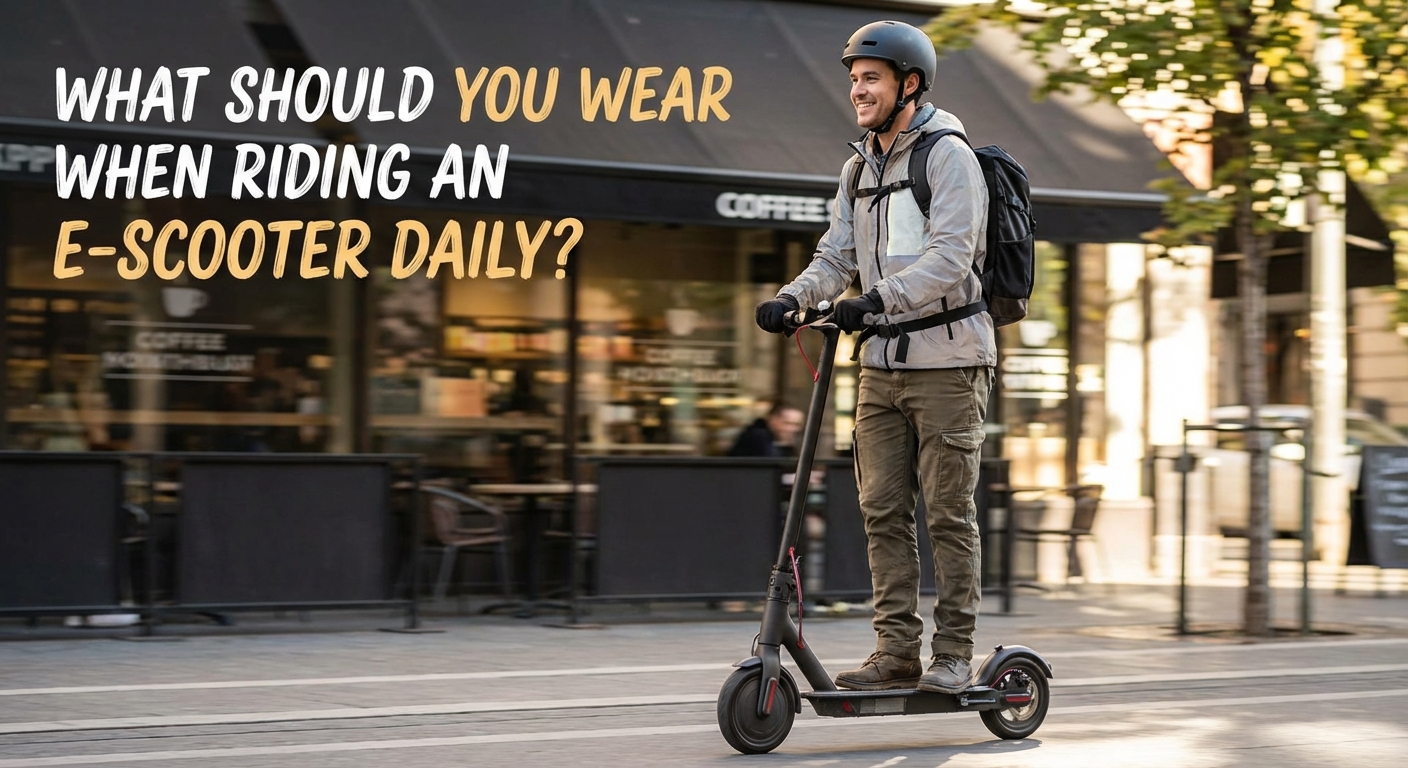
Flip-flops and sandals are terrible choices for e-scooter riding.
Your feet control acceleration, braking, and balance. They need protection and grip. Closed-toe shoes with rubber soles work best. Sneakers, running shoes, or casual boots all do the job.
Avoid these common mistakes:
- Shoes with smooth leather soles that slip on the deck
- High heels that make balance impossible
- Loose sandals that can catch in wheels
- Brand new shoes you haven’t broken in yet
The deck can get wet from morning dew or puddles. Shoes with tread patterns channel water away and maintain grip. Look for soles with at least 3mm of tread depth.
Ankle support helps during sudden stops or bumps. Mid-top sneakers or hiking shoes provide extra stability without restricting movement.
Layer your clothing for changing conditions
Morning temperatures rarely match afternoon heat.
Start with a base layer that wicks moisture away from skin. Cotton holds sweat and leaves you cold. Synthetic fabrics or merino wool work better.
Add a middle layer for insulation. A light fleece or thin jacket keeps you warm during cool mornings without overheating. Choose something you can stuff into a backpack when temperatures rise.
Your outer layer should block wind and light rain. A windbreaker or shell jacket makes a huge difference at 15 mph. Wind chill drops the perceived temperature by 10 to 15 degrees.
Here’s a practical layering guide:
| Temperature Range | Base Layer | Middle Layer | Outer Layer |
|---|---|---|---|
| Above 75°F | Breathable t-shirt | None | Sunglasses only |
| 60-75°F | Long sleeve shirt | Light hoodie | Optional windbreaker |
| 45-60°F | Moisture-wicking base | Fleece or sweater | Wind-resistant jacket |
| Below 45°F | Thermal base layer | Insulated mid-layer | Waterproof shell |
Keep layers fitted but not tight. Loose clothing catches wind and creates drag. Worse, it can catch in wheels or moving parts.
Protect your hands and eyes
Your hands take the brunt of most falls.
Gloves protect palms during instinctive catch reactions. You don’t need heavy motorcycle gloves. Light cycling gloves with padded palms work perfectly. They also keep your hands warm in cold weather and protect against vibration fatigue on longer rides.
Fingerless gloves work in warm weather but offer less protection. Full-finger options are safer for 7 essential things every first-time e-scooter rider should know.
Eyes need protection from wind, dust, and insects. Regular glasses help but don’t seal out wind. Wraparound sunglasses or clear safety glasses work better.
Consider these eye protection options:
- Polarized sunglasses for daytime riding that reduce glare
- Clear safety glasses for night rides or overcast days
- Photochromic lenses that adjust to light conditions automatically
Contact lens wearers should always wear eye protection. Wind dries out lenses and makes them uncomfortable within minutes.
Make yourself visible to drivers
Drivers don’t expect e-scooter riders.
You need to stand out. Bright colors help during the day. Neon yellow, orange, or pink catch attention better than dark colors. White works but blends into urban backgrounds.
Reflective elements become critical at dawn, dusk, and night. Look for clothing with reflective strips on shoulders, chest, and back. These catch headlight beams from hundreds of feet away.
A reflective vest costs $10 and dramatically improves visibility. Yes, it looks dorky. It also keeps you alive. Wear it over your jacket or hoodie.
For night riding, consider night riding safety: essential visibility tips for e-scooter commuters for additional lighting strategies.
LED armbands or clip-on lights add extra visibility. Attach them to your backpack, arms, or ankles. Movement catches driver attention better than static reflectors.
Weather-specific gear choices
Rain changes everything about what you should wear.
Waterproof doesn’t mean the same as water-resistant. Water-resistant fabrics handle light drizzle for 15 to 20 minutes. Waterproof materials keep you dry in steady rain.
Rain jackets should have:
- Sealed seams to prevent leaks
- A hood that fits over your helmet
- Ventilation to prevent sweat buildup
- Bright colors or reflective strips
Rain pants protect your legs from road spray. The deck kicks up water directly onto your shins and thighs. Waterproof pants or rain chaps solve this problem.
For detailed rain riding techniques, check out how to ride an e-scooter in the rain without losing control.
Cold weather requires different thinking. Wind chill at 15 mph feels 10 degrees colder than standing still. Cover exposed skin on your face, neck, and wrists.
A neck gaiter or balaclava protects your face without restricting vision like a scarf. Thin gloves fit inside heavier ones for extra warmth without losing dexterity.
Hot weather creates its own challenges. Wear light colors that reflect sun instead of absorbing heat. Long sleeves in breathable fabric protect skin from sun exposure better than sunscreen alone.
Pants and shorts that work
Jeans work fine for e-scooter commuting.
But they’re not your only option. Any pants that allow free leg movement and won’t catch in wheels work well. Avoid wide-leg styles or anything with loose cuffs.
Athletic pants or joggers offer comfort and flexibility. Choose styles with tapered ankles that won’t drag or catch. Many riders prefer these over jeans for daily commuting.
Shorts work in warm weather but expose knees during falls. Knee-length styles offer more protection than short shorts. Some riders wear knee pads under longer shorts for added safety.
Women’s leggings provide excellent freedom of movement. Look for thick, opaque materials that won’t tear easily. Avoid loose or flowing skirts that can catch wind or tangle.
Cargo pants with secure pockets let you carry essentials without a bag. Make sure pocket contents won’t fall out during the ride. Zippers or button closures work better than open pockets.
Backpacks and bags that stay put
Carrying your stuff safely matters as much as what you wear.
A proper backpack distributes weight across both shoulders. Single-strap bags shift your center of gravity and make balance harder. They also strain one shoulder over time.
Look for backpacks with:
- Chest straps that prevent shoulder slipping
- Waist belts that stabilize the load
- Padded back panels for comfort
- Water-resistant or waterproof materials
Pack weight affects your balance and braking distance. Keep the total weight under 15 pounds for comfortable riding. Heavier loads require longer stopping distances and make turns harder.
For more details on bag selection, see how to choose the right backpack for e-scooter riding.
Messenger bags look stylish but swing around during rides. If you prefer this style, choose one with a stabilizer strap that crosses your chest.
Avoid hanging bags from handlebars. They interfere with steering and can get caught in the front wheel. The only exception is a small handlebar bag designed specifically for bikes or scooters.
Professional attire considerations
Commuting to an office in professional clothes needs planning.
Many riders keep dress shoes at work and commute in sneakers. This solves the footwear problem without compromising safety. A small bag holds the shoes you’ll change into.
Suits and dress pants work fine if they fit properly. Avoid excessively baggy styles. Women can wear dress pants or knee-length skirts without issues. Longer skirts need securing with clips or bands to prevent catching.
Ties should be tucked into your shirt or jacket. Loose ties catch wind and become distracting. Tie clips keep them secure.
Dress shirts under jackets work well. Roll up sleeves if needed and unroll them when you arrive. Many riders keep a lint roller at work to remove any dust from the commute.
Consider keeping a complete change of clothes at work. This gives you maximum flexibility in what you wear for the ride. Store them in a desk drawer or locker.
Common clothing mistakes that cause problems
Some clothing choices create real safety hazards.
Long scarves can catch in wheels or wrap around the steering column. Never wear loose scarves while riding. Neck gaiters or tucked scarves work better.
Earbuds and headphones block traffic sounds you need to hear. Many cities ban them for e-scooter riders. If you must listen to something, use bone conduction headphones that don’t block your ears.
Loose jewelry catches on things. Dangling earrings, long necklaces, and bracelets can snag or distract you. Remove them or secure them under clothing.
Sunglasses that slip down your nose become a constant annoyance. Get a sports strap that keeps them in place. Croakies or similar products cost a few dollars and solve this problem.
Backpacks worn too low hit your lower back with every bump. Adjust straps so the bag sits high between your shoulder blades. This position feels more stable and comfortable.
Safety gear beyond the basics
Helmets protect your head, but other body parts need protection too.
Knee and elbow pads reduce injury severity in falls. They look bulky but make sense for new riders or those traveling at higher speeds. Many pads fit under clothing for a less obvious look.
Wrist guards protect against the most common e-scooter injury. When you fall, your instinct is to catch yourself with your hands. This often breaks wrists. Guards distribute impact force and prevent hyperextension.
Body armor or padded shirts provide torso protection. These make sense for riders who travel at higher speeds or in heavy traffic. They’re less common for casual commuters but worth considering if you ride aggressively.
Hip pads protect against side impact injuries. They fit under pants and aren’t visible. Older riders or those with previous hip injuries benefit most from this protection.
Check out 7 common e-scooter accidents and how to avoid them to understand which protective gear matters most for your riding style.
Building your riding wardrobe
You don’t need to buy everything at once.
Start with essentials: a good helmet, proper shoes, and a basic jacket. Add pieces as you identify what you need most. Your first week of commuting will teach you more than any article can.
Buy quality items that will last. A $60 helmet that fits well beats a $30 helmet you hate wearing. The same applies to jackets, gloves, and shoes.
Watch for sales at outdoor retailers. End-of-season clearances offer deep discounts on jackets, gloves, and other gear. Buy next winter’s gear in spring for 40% to 60% off.
Keep a spare set of basics at work if possible. An extra jacket, pair of gloves, and rain gear mean you’re prepared even when you forget something at home.
Test new gear on short rides first. Don’t discover your new jacket restricts arm movement during your longest commute. Try everything on a weekend ride around the block.
Dressing for your commute distance
A five-minute ride needs different gear than a 45-minute commute.
Short rides under 10 minutes don’t require extensive gear. A helmet and proper shoes cover the basics. You won’t have time to overheat or get cold.
Medium rides from 10 to 30 minutes need weather protection. Wind chill and sun exposure become factors. Add a jacket or sunscreen depending on conditions.
Long rides over 30 minutes require full weather protection and comfort features. Padded gloves prevent hand fatigue. Multiple layers let you adjust to temperature changes during the ride.
Distance also affects how much you’ll sweat. Longer rides at higher speeds generate more body heat. Choose more breathable fabrics for extended commutes.
Consider your route too. Heavy traffic requires more visible clothing than quiet bike paths. Rough roads benefit from extra padding and protection.
Seasonal wardrobe adjustments
Your riding wardrobe needs to change with seasons.
Summer priorities include sun protection, breathability, and hydration. Light-colored, loose-fitting clothes in moisture-wicking fabrics keep you coolest. Don’t forget sunscreen on exposed skin.
Fall brings temperature swings. Mornings start cold but afternoons warm up. Layering becomes essential. Keep a light jacket you can remove and store easily.
Winter demands full coverage and insulation. Thermal base layers, insulated gloves, and face protection become necessary. Battery performance drops in cold weather too, so plan for shorter range.
Spring weather changes unpredictably. Carry rain gear even when skies look clear. Temperature swings require flexible layering options. Waterproof gear matters more in spring than any other season.
For battery care during seasonal changes, see how to store your e-scooter battery during winter or long breaks.
Maintenance and care for riding gear
Your gear lasts longer with proper care.
Helmets need replacement after any significant impact. Even if they look fine, internal foam compresses and loses protective ability. Replace helmets every three to five years regardless of crashes.
Wash jackets and pants according to manufacturer instructions. Many waterproof fabrics need special detergents. Regular soap can damage waterproof coatings.
Store gear in a dry place away from direct sunlight. UV rays degrade materials over time. Closets or gear bags work better than leaving items in your car.
Check reflective elements regularly. They lose effectiveness as they wear or get dirty. Clean them gently with a damp cloth. Replace items when reflectivity fades.
Inspect gloves and shoes for wear. Worn-through palms or soles compromise protection. Replace these items before they fail completely.
Putting it all together for daily rides
Smart clothing choices make every ride safer and more comfortable.
Your core gear list should include a certified helmet, closed-toe shoes with grip, a weather-appropriate jacket, gloves, and visible clothing. Everything else builds on these foundations.
Match your gear to your specific commute. Consider distance, weather, traffic levels, and your personal comfort needs. What works for someone else might not work for you.
Test different combinations until you find what feels right. Pay attention to what bothers you during rides. Small annoyances become major problems over time.
Remember that the best gear is gear you’ll actually use. Don’t let perfect become the enemy of good. Start with basics and improve your setup over time as you learn what matters most for your daily commute.
Stay safe out there, and enjoy the ride.
