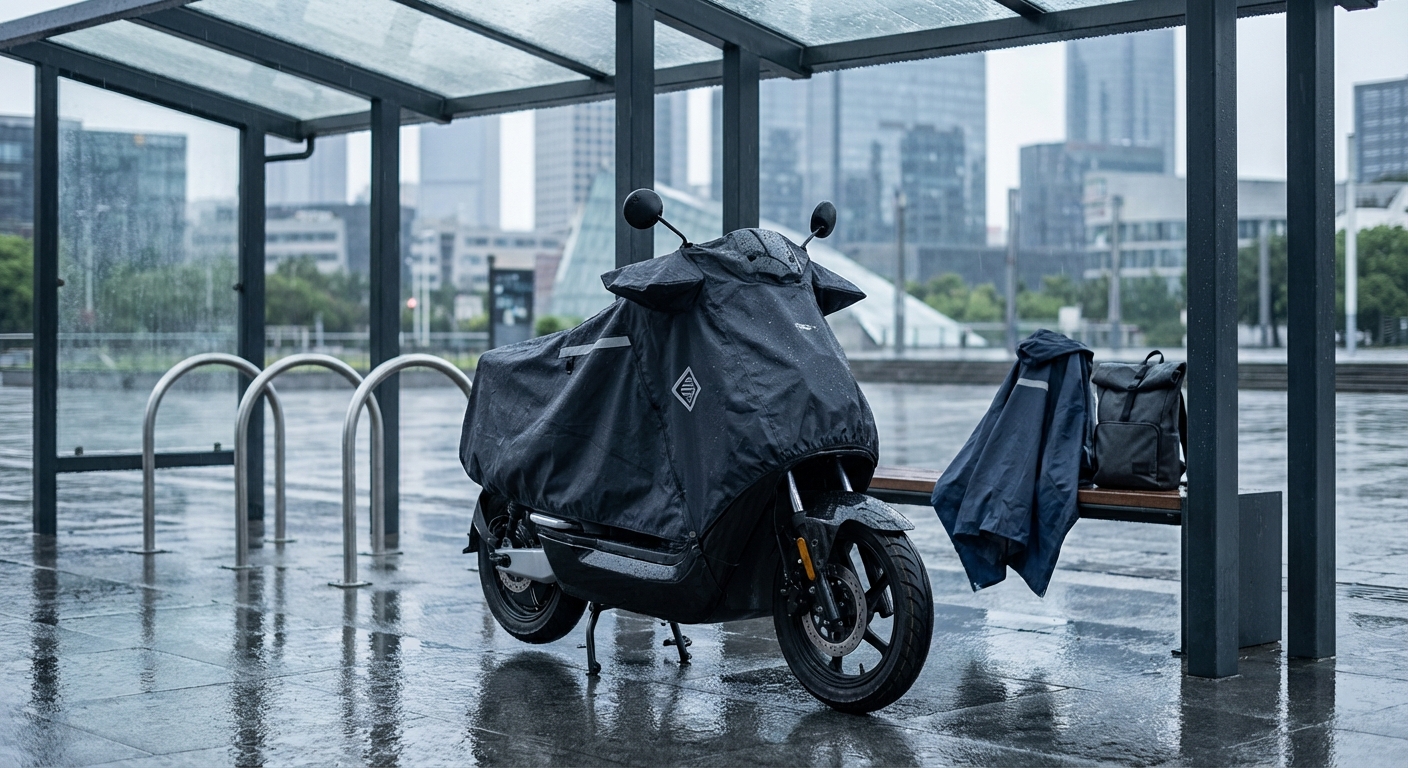
Waterproof Covers and Rain Gear: Keeping Your E-Scooter Dry
Rain doesn’t have to be your e-scooter’s worst enemy. With the right protection strategies, you can keep your ride running smoothly through every downpour. Most riders worry about water damage, but the real issue isn’t just getting wet. It’s about knowing which parts need protection and how to shield them properly.
Protecting your electric scooter from rain requires a multi-layered approach: use waterproof covers for storage, apply protective coatings to vulnerable components, invest in quality rain gear for riding, and perform regular post-rain maintenance. Most water damage occurs at electrical connections and the battery compartment, making these your priority protection zones. A well-protected scooter can handle wet conditions without compromising performance or longevity.
Understanding your scooter’s water resistance rating
Not all e-scooters handle water the same way. The IP rating tells you exactly what your scooter can withstand.
IP ratings use two numbers. The first indicates dust protection. The second shows water resistance. An IP54 rating means your scooter can handle light splashes. IP67 means it can survive brief submersion.
Most commuter scooters fall between IP54 and IP65. That’s enough for light rain but not heavy storms. Check your manual for your specific rating. This number determines how much extra protection you need.
Even scooters with high ratings have weak points. Charging ports, display screens, and brake connections often lack full protection. Water finds these gaps during heavy rain.
Essential waterproofing techniques before you ride
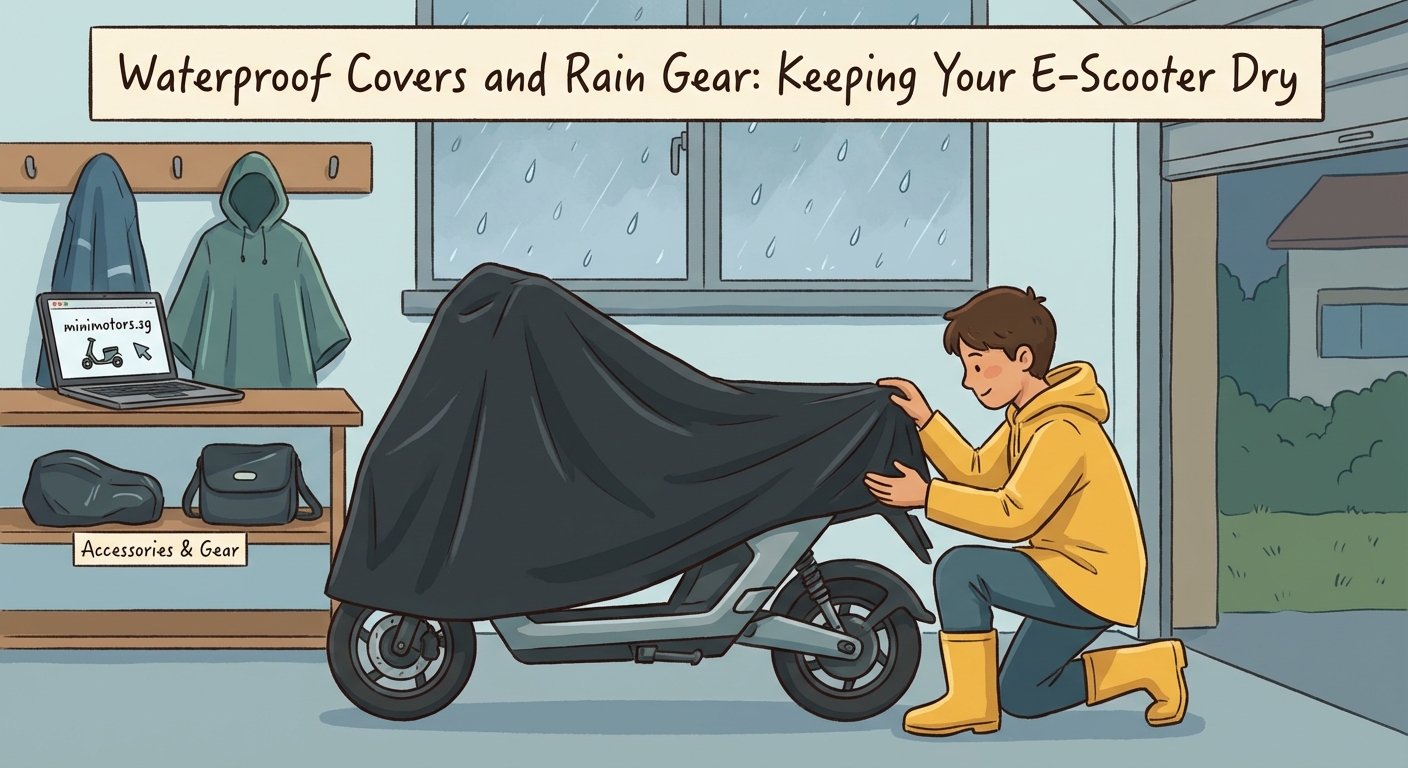
Prevention beats repair every time. These steps take minutes but save hours of maintenance later.
Seal vulnerable entry points
Start with the charging port. Most come with a rubber flap, but these wear out fast. Add a small piece of waterproof tape over the flap when you know rain is coming. Remove it before charging.
The display screen needs attention too. Apply a thin layer of dielectric grease around the edges where the screen meets the frame. This creates an invisible barrier against moisture creep.
Check every screw and bolt on your scooter. Water loves these tiny gaps. A dab of silicone sealant on each connection point adds an extra layer of defense.
Apply protective coatings to electrical components
Battery terminals corrode fast when exposed to moisture. Spray them with electrical contact cleaner, then apply a protective coating. Dielectric grease works perfectly here.
The motor controller sits near the deck on most scooters. Wrap it in self-fusing silicone tape. This tape bonds to itself and creates a waterproof seal without leaving residue.
Brake cables need protection too. Spray them with a water-displacing lubricant. This keeps moisture from settling inside the cable housing.
Choosing the right waterproof cover for storage
A good cover is your first line of defense when your scooter isn’t in use.
Look for covers made from heavy-duty polyester or nylon with a waterproof coating. The material should breathe slightly to prevent condensation buildup inside.
Size matters more than most riders think. A cover that’s too tight won’t fit over accessories like phone mounts or bags. One that’s too loose flaps in the wind and lets water underneath.
| Cover Feature | Why It Matters | What to Look For |
|---|---|---|
| Material thickness | Durability and tear resistance | Minimum 210D polyester |
| Ventilation | Prevents condensation | Mesh vents at bottom |
| Securing method | Stays put in wind | Elastic hem plus drawstring |
| UV protection | Prevents material breakdown | UV-resistant coating |
| Seam construction | Stops leaks | Heat-sealed or taped seams |
Test your cover before you need it. Put it on during a dry day. Make sure it covers everything, including the wheels and handlebars. Mark any gaps with tape so you remember to tuck those areas carefully.
Store your covered scooter in a sheltered spot when possible. Even under a building overhang makes a difference. The cover handles moisture better when it’s not fighting direct rainfall.
Rain gear that actually protects while riding
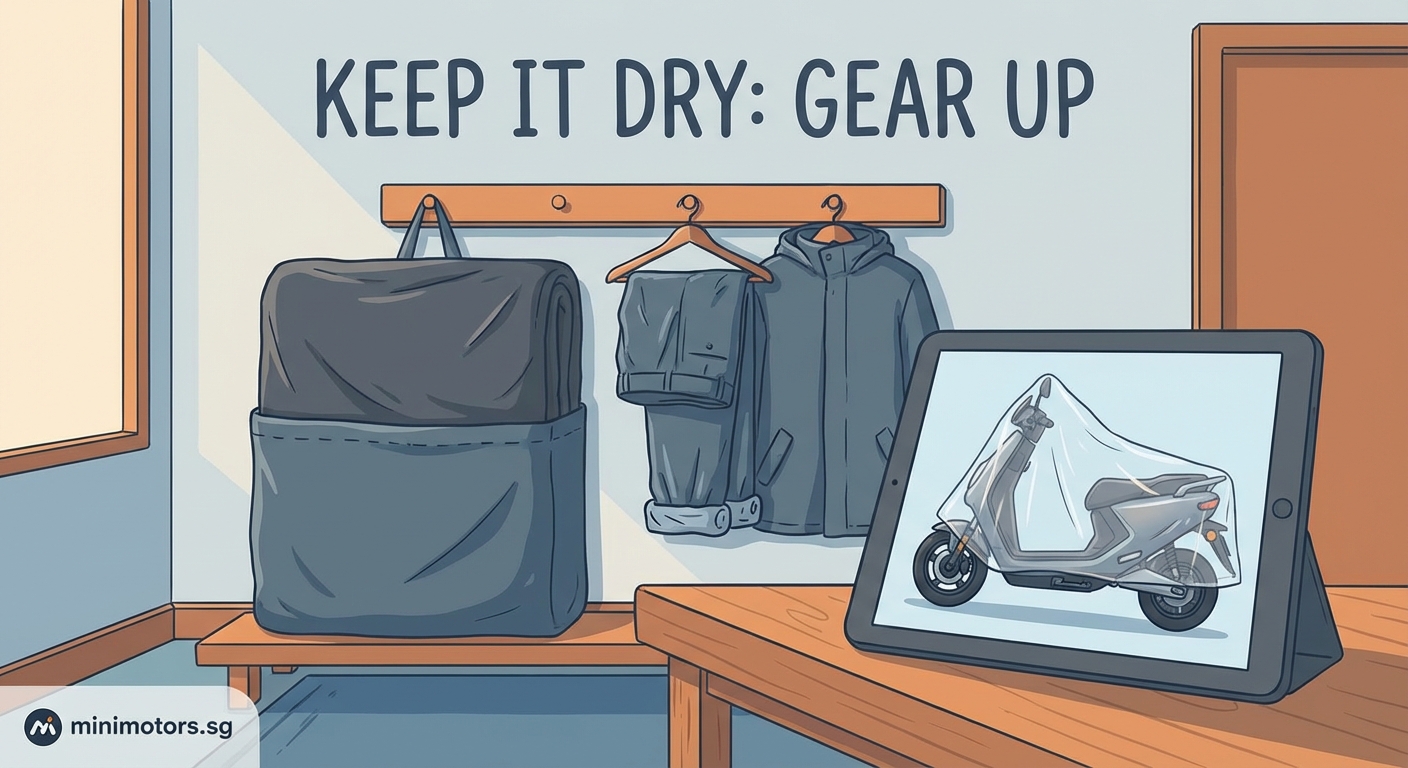
Sometimes you need to ride through the rain. The right gear keeps both you and your scooter safer.
Waterproof ponchos designed for scooter riders extend down to cover the deck and battery area. Regular rain jackets leave these critical zones exposed. Look for ponchos with elastic at the bottom that you can secure around the deck.
Handlebar covers might look silly, but they work. These fabric sleeves slip over your grips and keep water away from brake levers and throttle controls. Your hands stay warmer too.
Fenders do more than keep you clean. They redirect water away from the motor and battery compartment. If your scooter didn’t come with full fenders, aftermarket options install easily. Choose ones that extend well beyond the wheel.
Water damage rarely happens all at once. It’s the accumulated exposure from dozens of wet rides that causes problems. Consistent protection during every rainy trip matters more than perfect protection on one day.
Post-rain maintenance that prevents long-term damage
What you do after riding in rain matters as much as protection during the ride.
Immediate drying procedures
- Wipe down all visible water with a microfiber cloth. Pay special attention to the display, charging port, and any electrical connections you can see.
- Turn the scooter upside down for 10 minutes. This lets water drain from the deck and any internal cavities.
- Use compressed air to blow water out of tight spaces. Focus on brake assemblies, the folding mechanism, and around the motor housing.
- Leave the scooter in a warm, dry place for at least two hours before storing it.
Weekly deep inspection during rainy seasons
Check for moisture inside the battery compartment. Open it carefully and look for any water droplets. If you find moisture, leave the compartment open to air dry completely.
Inspect all electrical connections for corrosion. Green or white buildup means water got through. Clean affected areas with electrical contact cleaner and reapply protective coating.
Test your brakes after every wet ride. Water reduces braking power temporarily. If they feel spongy the next day, you might have moisture in the brake lines.
The folding mechanism needs extra attention. Water plus dirt creates a grinding paste that wears down metal fast. Clean and lubricate this area weekly during wet weather.
Common mistakes that leave scooters vulnerable
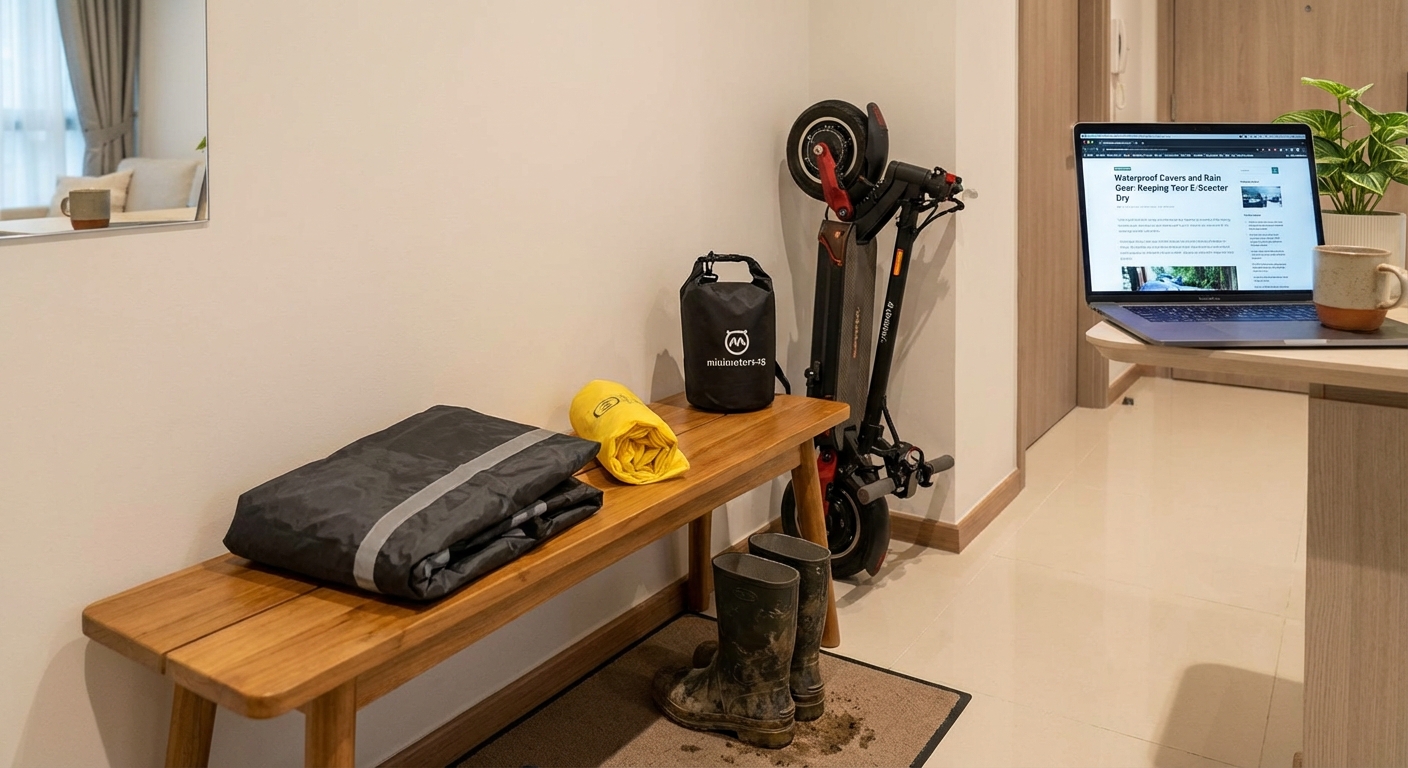
Even careful riders make these errors that compromise protection.
Covering a wet scooter traps moisture inside. Always dry it first, even if that means waiting 30 minutes. The trapped humidity causes more damage than leaving it uncovered would.
Using the wrong lubricants creates problems. WD-40 and similar products displace water temporarily but don’t provide lasting protection. They also attract dirt. Stick to proper electrical contact sprays and silicone-based lubricants.
Ignoring small cracks in the deck or body panels lets water inside. These hairline fractures grow during temperature changes. Seal them immediately with waterproof epoxy.
Charging too soon after rain exposure is dangerous. Wait until everything is completely dry. Plugging in a damp scooter can short circuit the charging system.
Riders often forget about the underside of the deck. This area catches road spray constantly. Flip your scooter monthly and inspect the bottom for rust or corrosion starting.
Building a complete weather protection kit
Keep these items ready for wet weather:
- Heavy-duty waterproof cover with securing straps
- Dielectric grease in a small tube
- Electrical contact cleaner spray
- Self-fusing silicone tape
- Microfiber drying cloths (at least three)
- Compressed air canister
- Waterproof tape for charging port
- Small bottle of chain lubricant
- Inspection mirror for checking underneath
- Silicone sealant pen for touch-ups
Store this kit in a small bag attached to your scooter or keep it where you park regularly. Having everything in one place means you’ll actually use it.
Replace items as they run out. A half-empty can of contact cleaner won’t help when you need it most. Check your kit monthly and restock.
Special considerations for different scooter types
Budget models under $500 typically have minimal water resistance. These need aggressive protection. Consider adding an aftermarket waterproof battery box if you ride regularly in wet conditions.
Premium scooters often include better sealing from the factory, but don’t assume they’re bulletproof. High-end electronics are actually more sensitive to moisture damage. The repair costs justify extra caution.
Off-road scooters face different challenges. Mud and water combine to create abrasive slurry that damages seals and bearings. Clean these scooters immediately after muddy rides, not just rainy ones.
Folding scooters have an extra vulnerability at the hinge point. This mechanism collects water and debris. Apply marine-grade grease here instead of regular lubricant. It resists water washout better.
For riders who want to understand their scooter better before making protection decisions, learning how to choose your first electric scooter helps you understand which features matter most for weather resistance.
When professional weatherproofing makes sense
Some riders benefit from professional sealing services. Mobile repair technicians can apply conformal coating to circuit boards. This thin protective layer stops moisture from reaching sensitive electronics.
Professional services make sense if you ride daily in wet climates. The upfront cost of $150 to $300 pays for itself in avoided repairs. One waterlogged controller replacement costs more than preventive coating.
Look for technicians experienced with your scooter brand. Different models have different weak points. A tech familiar with your specific scooter knows exactly where to focus protection efforts.
DIY conformal coating is possible but risky. You need to disassemble the scooter and apply the coating precisely. One mistake can trap moisture instead of keeping it out. Leave this to professionals unless you have electronics experience.
Adapting protection strategies to your climate
Riders in constantly humid areas face different challenges than those with occasional rain. Humidity causes slow, steady corrosion. Dry climates with rare heavy storms need burst protection.
Tropical climates require year-round vigilance. Store your scooter with silica gel packets in the battery compartment. Replace these monthly. They absorb ambient moisture before it reaches electronics.
Cold, wet climates add freezing to the equation. Water expands when it freezes, cracking seals and housings. Bring your scooter inside during winter, even if you’re not riding it.
Desert riders who face rare but intense storms should focus on quick-deploy protection. Keep your cover accessible. Practice putting it on fast. When that occasional storm hits, you’ll be ready.
If you’re already dealing with rain-related issues, understanding what to do when your e-scooter battery won’t hold a charge can help diagnose whether moisture caused the problem.
Monitoring for hidden water damage
Water damage shows up in subtle ways before causing complete failure.
Battery range drops gradually when moisture affects cells. If your normal 20-mile range suddenly becomes 15 miles, check for water intrusion. This happens before the battery stops working entirely.
Intermittent electrical problems point to moisture. If your display flickers or the throttle cuts out randomly, water might be bridging connections. These symptoms worsen in humid weather.
Rust appears first in hidden spots. Check inside the folding mechanism and under the deck regularly. Surface rust is easy to remove. Deep pitting means water has been present for weeks.
Strange sounds during operation can indicate water in the motor bearings. A grinding or clicking noise that wasn’t there before deserves immediate investigation.
Regular inspections catch these signs early. Monthly checks during dry seasons, weekly during wet weather. Document what you find with photos. This helps you spot gradual changes.
Creating a seasonal maintenance schedule
Different seasons demand different protection approaches.
Spring: Heavy rain season in many areas. Increase inspection frequency. Replace worn seals and covers before the wet weather arrives. Apply fresh protective coatings to all electrical components.
Summer: Humidity and occasional thunderstorms. Focus on quick-dry procedures after unexpected rain. Keep your protection kit fully stocked for surprise weather.
Fall: Leaf debris combines with rain to clog drainage areas. Clean the deck and motor housing weekly. Wet leaves are surprisingly corrosive.
Winter: Freezing and thawing cycles stress seals. Store indoors when possible. If you must store outside, elevate the scooter off the ground to prevent ice contact.
Riders who maintain their scooters well often want to upgrade eventually. Learning about top features to look for when buying a premium electric scooter helps you choose a model with better weather resistance next time.
Emergency procedures for unexpected submersion
Sometimes accidents happen. Your scooter tips into a puddle or you ride through unexpectedly deep water.
Stop riding immediately. Don’t try to power through. Continuing to run the motor while submerged can short critical components.
Remove the battery if possible. Disconnect it from the scooter and dry it separately. Never attempt to charge a wet battery.
Drain all visible water. Turn the scooter upside down and let gravity work. Shake it gently to help water escape from internal cavities.
Do not turn it on for at least 48 hours. Even if it looks dry on the outside, moisture lingers inside. Patience prevents permanent damage.
Use a fan to speed drying. Position it to blow air into any openings. Don’t use heat guns or hair dryers. Excessive heat can warp plastic components and damage electronics.
After 48 hours, inspect everything before powering on. Look for corrosion, standing water, or damaged components. If you see problems, take it to a professional before attempting to ride.
Understanding how to ride an e-scooter in the rain without losing control helps you avoid situations that lead to submersion in the first place.
Long-term protection pays off
Consistent rain protection extends your scooter’s life by years. Riders who follow these practices report fewer repairs and better resale value.
The time investment is minimal. Five minutes of prevention before a rainy ride beats hours of repair work later. Ten minutes of post-rain maintenance prevents hundreds in replacement costs.
Start with the basics. Cover your scooter when stored. Dry it after wet rides. Seal vulnerable points. Build from there as you learn your scooter’s specific needs.
Weather shouldn’t limit your riding. With proper protection, rain becomes a minor inconvenience instead of a major threat. Your scooter will thank you with reliable performance through every season.
